
The Future of On-Device AI Agents: Apple’s New Compact AI Agent
As artificial intelligence technology rapidly evolves, the integration of AI into our daily devices is becoming more seamless and intuitive. Apple, a leader in innovation, is poised to revolutionize user experience with its new compact AI agent that enhances interactions with apps and streamlines processes. This article delves into the implications of this development, providing insights into its practical applications, industry impacts, and future possibilities.
Understanding On-Device AI Agents
On-device AI agents operate locally on devices rather than relying on cloud processing. This architecture not only enhances speed and efficiency but also bolsters privacy, as sensitive data does not have to be transmitted over the internet. Key characteristics of on-device AI agents include:
- Low Latency: Immediate responses to user commands without the delays associated with cloud processing.
- Enhanced Privacy: Data remains on the device, reducing the risk of exposure during transmission.
- Offline Functionality: Users can access AI capabilities without an internet connection.
Apple’s Vision for AI Integration
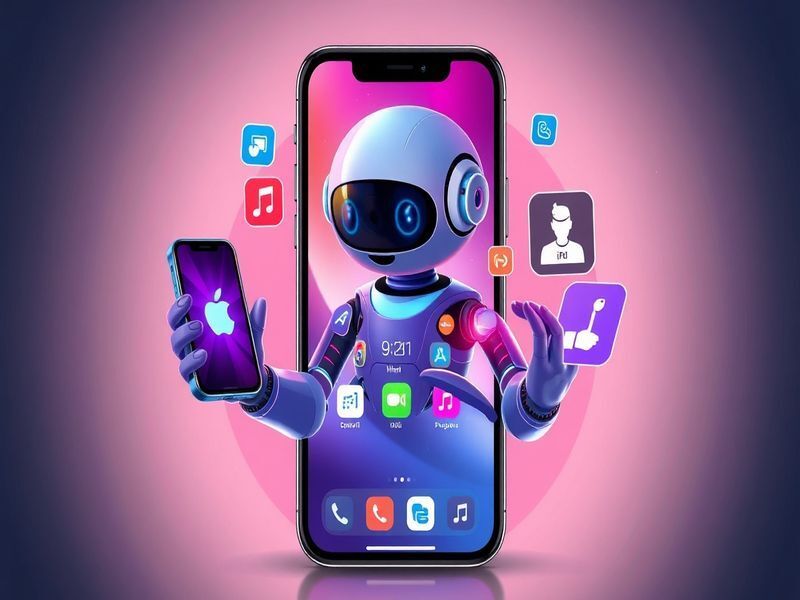
Apple’s new compact AI agent is designed to work harmoniously with various applications, enhancing user experience by offering personalized assistance. This agent learns from user interactions, tailoring its responses to individual preferences and habits. Some notable features include:
- Contextual Awareness: The AI can understand the context of user queries, providing more relevant suggestions.
- Multi-tasking Capabilities: Users can interact with multiple apps simultaneously through voice commands, improving productivity.
- Seamless Integration: The AI agent integrates smoothly with existing applications, enhancing their functionality without requiring major updates.
Practical Insights into User Experience
The potential enhancements to user experience are significant. Here are some practical insights on how Apple’s AI agent can transform daily interactions:
- Streamlined Task Management: Users can manage their schedules, set reminders, and create to-do lists using simple voice commands, freeing them from the need to navigate through multiple applications.
- Personalized Recommendations: By analyzing user behavior, the AI agent can suggest apps, content, or actions tailored to individual needs, enhancing user satisfaction.
- Improved Accessibility: For users with disabilities, the AI agent can facilitate easier access to device features, making technology more inclusive.
Industry Implications
The introduction of compact AI agents by Apple signifies a shift in how technology companies approach AI integration. This evolution presents several implications for the industry:
- Increased Competition: Other tech giants may feel pressured to develop similar on-device solutions, leading to a surge in innovation.
- Data Privacy Considerations: As more companies adopt on-device AI, consumer expectations for privacy will rise, potentially influencing regulations and standards.
- Focus on User-Centric Design: The success of on-device AI agents hinges on user experience, prompting companies to prioritize design and usability in their products.
Future Possibilities
Looking ahead, the potential applications of on-device AI agents are vast. Here are several possibilities that could shape the future:
- Enhanced Smart Home Integration: On-device AI could enable seamless control of smart home devices, allowing users to manage their environments through natural language commands.
- Healthcare Monitoring: Compact AI agents can assist in monitoring health metrics, providing reminders for medication, or alerting users to potential health issues based on data analysis.
- Education and Learning: Personalized learning experiences could be created, adapting to individual learning styles and providing tailored educational resources.
As Apple continues to innovate, the introduction of its compact AI agent marks a pivotal moment in the evolution of on-device AI. With enhanced user experiences, privacy, and a focus on seamless integration, the future of AI agents looks promising. As technology progresses, we can expect these systems to become more sophisticated, ultimately reshaping how we interact with our devices and the world around us.