

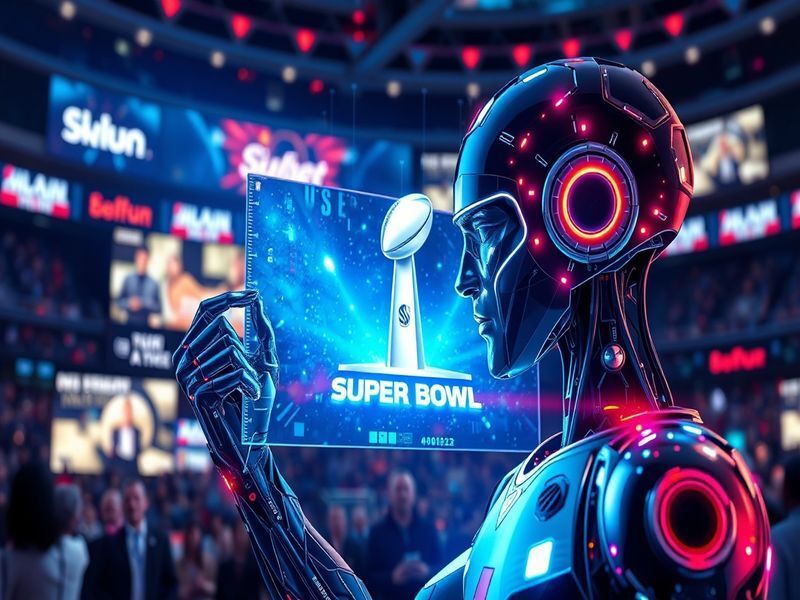
The Impact of AI on Super Bowl Advertising: Exploring How AI is Shaping the Future of Commercial Creativity During Major Events
The Super Bowl is not only a sporting event; it’s a cultural phenomenon that captivates millions of viewers every year. The advertising space during the game is one of the most coveted and expensive, with brands investing millions in creative commercials aimed at capturing the audience’s attention. However, as technology evolves, artificial intelligence (AI) is starting to play a crucial role in shaping the future of Super Bowl advertising. This article explores how AI is influencing commercial creativity, providing practical insights, industry implications, and future possibilities.
AI in Creative Development
One of the most significant impacts of AI on advertising is its ability to assist in the creative development process. AI tools can analyze vast amounts of data, identify trends, and even generate content. Here are some ways AI is contributing:
- Data Analysis: AI can quickly process and analyze viewer data from previous Super Bowls, identifying what types of ads resonate with audiences. Brands can use this information to craft commercials that are more likely to engage viewers.
- Content Generation: AI platforms like GPT-3 can help create scripts, slogans, and even entire storyboards based on specific themes or ideas, providing marketers with new avenues for creativity.
- Visual Design: AI-powered design tools can generate graphics and animations that align with brand messaging, ensuring consistency across various media.
Personalization and Targeting
Personalization has become a key strategy in advertising, and AI is at the forefront of this shift. With the ability to analyze consumer behavior and preferences, AI can help brands tailor their messages to specific audience segments. This can be especially powerful during the Super Bowl when diverse demographics are tuning in.
- Dynamic Ad Customization: AI can enable brands to create dynamic ads that change based on viewer data in real-time, ensuring that the message resonates with the audience watching at that moment.
- Predictive Analytics: By leveraging machine learning algorithms, brands can predict which advertisements will perform best based on historical data, allowing for more informed decision-making.
- Enhanced Engagement: Personalization leads to higher engagement rates. Ads that speak directly to the viewer’s interests and preferences are more likely to leave a lasting impression.
Industry Implications
The incorporation of AI into Super Bowl advertising is not just a trend; it represents a paradigm shift in how brands approach marketing. Here are some implications for the industry:
- Increased Competition: As brands become more adept at using AI for advertising, the competition will intensify. Companies that fail to embrace these technologies may find it challenging to keep up.
- Changing Skillsets: Marketers will need to adapt to new technologies. Understanding AI and data analytics will become essential skills for advertising professionals.
- Ethical Considerations: As AI takes on a more prominent role, ethical questions around data privacy and consumer manipulation will need to be addressed. Brands must ensure they respect consumer privacy while leveraging AI technologies.
Future Possibilities
As AI technology continues to evolve, the future of Super Bowl advertising holds immense possibilities:
- Augmented Reality (AR) and Virtual Reality (VR): The integration of AI with AR and VR technologies can create immersive advertising experiences, allowing viewers to interact with brands in innovative ways.
- Voice and Conversational AI: As voice-activated devices become more prevalent, brands may explore using conversational AI to engage viewers in real-time during commercials, creating a two-way interaction.
- AI-Driven Feedback Loops: AI can facilitate real-time feedback during the Super Bowl, allowing brands to adjust their campaigns instantly based on audience reactions.
In conclusion, the impact of AI on Super Bowl advertising is profound and multifaceted. From enhancing creative development to enabling personalized engagement, AI is reshaping how brands interact with consumers during one of the most-watched events of the year. As technology continues to advance, the possibilities for innovation in advertising are limitless, making it an exciting time for marketers and consumers alike. Embracing these changes will be key for brands looking to stand out in the crowded Super Bowl ad space.