
The Limitations of AI in Healthcare: An Analysis of Recent Studies Revealing the Challenges Faced by AI in Medical Decision-Making
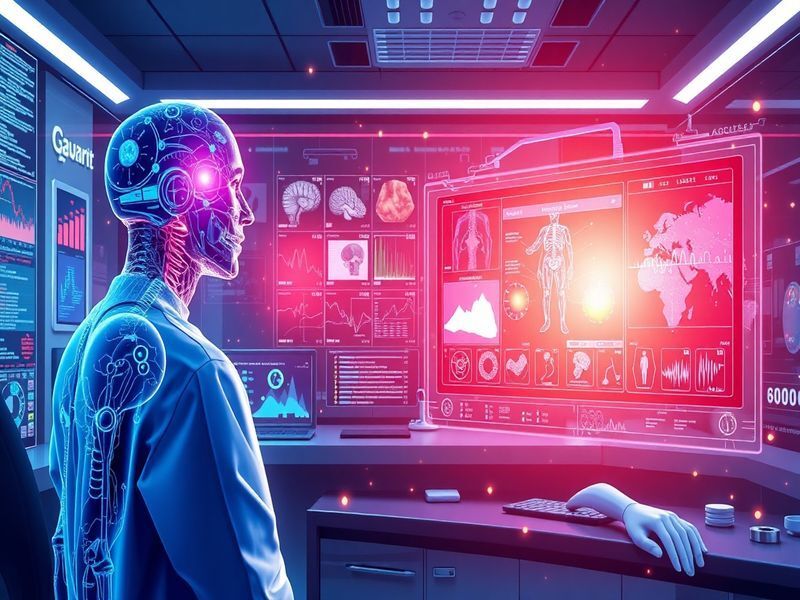
Artificial Intelligence (AI) has made significant strides in healthcare, promising to revolutionize medical decision-making, improve patient outcomes, and streamline operational efficiency. However, despite its potential, recent studies reveal that AI in healthcare is not without its limitations. This article delves into these challenges, drawing insights from recent research while exploring practical implications for the industry and future possibilities.
Understanding AI’s Role in Healthcare
AI technologies, including machine learning and natural language processing, are increasingly being integrated into healthcare systems. They are utilized for various applications such as:
- Diagnostic Assistance: AI algorithms can analyze medical images or patient data to aid in diagnosing diseases.
- Predictive Analytics: Machine learning models can predict patient outcomes or disease progression based on historical data.
- Operational Efficiency: AI can automate routine tasks, improving workflow and reducing administrative burdens.
Despite these advancements, several limitations hinder the widespread adoption of AI in healthcare.
Limitations of AI in Medical Decision-Making
Recent studies have highlighted critical challenges that AI faces in the healthcare sector:
- Data Quality and Availability: AI systems rely heavily on high-quality data. Studies have shown that inadequate or biased datasets can lead to poor model performance. For instance, a model trained on data from a specific demographic may not perform well in a different population, leading to disparities in care.
- Interpretability and Trust: Many AI models, particularly deep learning algorithms, operate as “black boxes.” This lack of transparency makes it difficult for healthcare professionals to understand how decisions are made, resulting in skepticism regarding their reliability.
- Integration into Clinical Workflows: Incorporating AI tools into existing healthcare systems can be challenging. There are often technical barriers, and healthcare professionals may resist adopting new technologies that disrupt their established workflows.
- Regulatory and Ethical Concerns: The regulatory landscape for AI in healthcare is still evolving. Questions regarding accountability, liability, and ethical considerations regarding patient data remain unresolved, posing significant barriers to implementation.
- Cost and Resource Allocation: Implementing AI solutions can be expensive, particularly for smaller healthcare facilities. Budget constraints can limit access to advanced technologies, widening the gap between large and small providers.
Industry Implications
The limitations of AI in healthcare have several implications for stakeholders:
- Healthcare Providers: Providers must critically evaluate AI tools, ensuring they complement clinical judgment rather than replace it. Training and education are essential to help healthcare professionals understand and utilize AI effectively.
- Technology Developers: Developers must focus on creating interpretable AI models and improving data quality. Collaborating with healthcare professionals during the development phase can ensure that AI systems meet real-world clinical needs.
- Regulators: Policymakers need to establish clear guidelines for AI use in healthcare, addressing ethical and legal concerns while encouraging innovation.
Future Possibilities
Despite the challenges, the future of AI in healthcare remains promising. Here are some potential developments:
- Improved Data Sharing: Enhanced interoperability standards could facilitate better data sharing across healthcare systems, ultimately leading to more comprehensive datasets for training AI models.
- Hybrid Decision-Making Models: Future AI systems may integrate human expertise with machine learning capabilities, creating a hybrid model that enhances rather than replaces human decision-making.
- Personalized Medicine: As AI continues to evolve, it could enable more personalized treatment plans based on individual patient data, genetic information, and lifestyle factors.
- Continuous Learning Systems: AI systems that learn continuously from new data could adapt to changes in medical knowledge and patient populations, improving their accuracy and relevance over time.
In conclusion, while AI has the potential to transform healthcare, it is essential to recognize and address its limitations. By focusing on data quality, interpretability, integration, regulatory frameworks, and cost considerations, we can pave the way for more effective and responsible AI applications in the healthcare sector.