
The Pentagon’s Endorsement of AI Technologies: Analyzing the Implications of Palantir’s Maven Project for National Security and AI Development
The intersection of artificial intelligence (AI) and national security has received heightened attention in recent years, particularly with the Pentagon’s endorsement of AI technologies. Among the notable initiatives is the Maven project, led by the data analytics company Palantir. This project represents a significant shift in how the military utilizes AI to enhance operational efficiency and decision-making processes. In this article, we explore the implications of the Maven project on national security and its broader impact on AI development.
Understanding the Maven Project
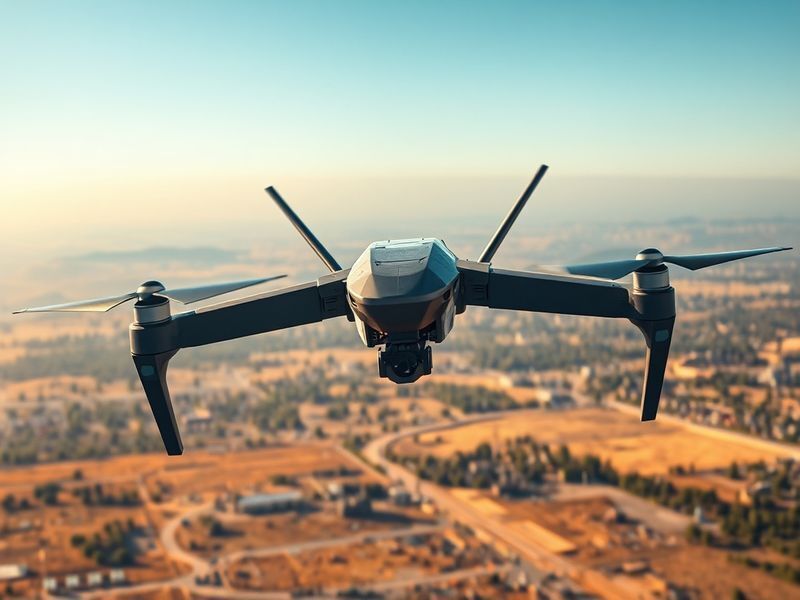
Initiated by the Department of Defense (DoD) in 2017, the Maven project aims to harness machine learning and computer vision technologies to process vast amounts of data from drones and other surveillance tools. Its primary objective is to improve the accuracy of intelligence gathering and targeting processes, thereby enhancing the military’s operational capabilities. The project has garnered attention for its potential to revolutionize how the military approaches intelligence and combat operations.
Key Features of the Maven Project
- Real-time Data Processing: Maven enables the analysis of drone footage and other intelligence data in real-time, allowing for quicker decision-making.
- Enhanced Target Recognition: The AI algorithms used in Maven can identify and categorize objects, people, and vehicles, which improves situational awareness on the battlefield.
- Integration with Existing Systems: Maven is designed to work with existing military platforms, ensuring a seamless transition and utilization of AI technologies.
Implications for National Security
The adoption of AI technologies like those in the Maven project has profound implications for national security. Here are a few key considerations:
1. Improved Operational Efficiency
The ability to process and analyze large datasets in real-time enhances the military’s operational efficiency. Commanders can make better-informed decisions, leading to improved mission outcomes. This efficiency can significantly reduce the time it takes to respond to threats, ultimately saving lives.
2. Ethical Concerns
While the benefits are clear, the use of AI in military applications raises ethical questions. Concerns about the potential for autonomous weapons systems and the implications of AI-driven decisions in life-and-death situations are at the forefront of discussions surrounding the Maven project. The military must navigate these ethical dilemmas carefully to maintain public trust and accountability.
3. Strategic Advantage
AI technologies can provide a strategic advantage over adversaries who may not be employing similar capabilities. By leveraging machine learning and data analytics, the U.S. military can stay ahead in information warfare and maintain its status as a global superpower.
Industry Implications and Future Possibilities
The implications of the Pentagon’s endorsement of AI technologies extend beyond national security and into the broader tech industry. Here are some potential outcomes and future possibilities:
1. Accelerated AI Development
The government’s investment in AI technologies is likely to accelerate research and development in the private sector. Companies that collaborate with the military can gain access to funding, resources, and data that can drive innovation in AI applications.
2. Increased Collaboration Between Government and Tech Companies
As seen with Palantir, partnerships between technology firms and government agencies can lead to groundbreaking advancements in AI. This trend will likely continue, fostering an environment where tech companies can contribute to national security while also expanding their market reach.
3. New Market Opportunities
The demand for AI solutions in defense can create new market opportunities for startups and established companies alike. This burgeoning field could lead to job creation and economic growth, particularly in tech hubs where AI research is prominent.
4. Ethical AI Development
As the military adopts AI technologies, there will be increased pressure on the tech industry to develop ethical frameworks for AI deployment. This focus on ethical AI could lead to the establishment of standards and best practices that benefit various sectors, ensuring that AI is developed and used responsibly.
Conclusion
The Pentagon’s endorsement of AI technologies through initiatives like Palantir’s Maven project underscores the transformative potential of AI in national security. While the benefits of enhanced operational efficiency and strategic advantage are evident, the ethical implications cannot be ignored. As the military and tech industries continue to collaborate, a new era of AI development is set to unfold, promising exciting opportunities and challenges for the future. The balance between innovation and ethics will be crucial as we navigate this rapidly evolving landscape.