
# The Rise and Fall of GPT-4o: OpenAI’s Model Retirement: Understanding the Impact of Retiring GPT-4o and Other Models from ChatGPT
## Introduction
The landscape of artificial intelligence is ever-evolving, with models rising to prominence and sometimes fading into obscurity. One such model that has recently made headlines is GPT-4o, a variant of OpenAI’s groundbreaking GPT-4 model. The retirement of GPT-4o and other models from ChatGPT has sparked discussions about the implications for AI technology, industry practices, and future innovations.
## The Rise of GPT-4o
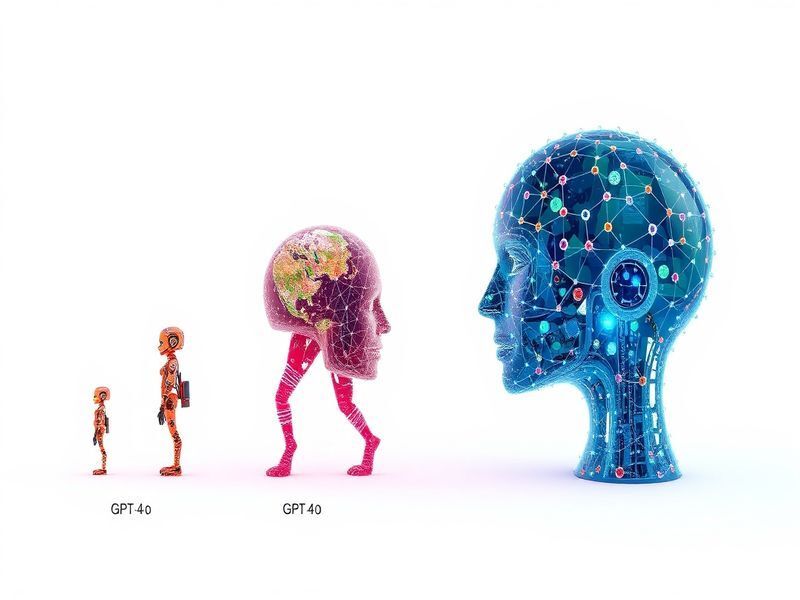
GPT-4o, an optimized version of GPT-4, was introduced to enhance performance and efficiency. It was designed to offer faster response times and improved accuracy, making it a favorite among users and developers alike. The model’s rise was marked by several key milestones:
- Enhanced processing speed, reducing latency significantly.
- Improved accuracy in understanding and generating human-like text.
- Wider adoption in various applications, from customer service to content creation.
These advancements made GPT-4o a critical tool in the AI arsenal, driving innovation and setting new standards for what AI models could achieve.
## The Decision to Retire GPT-4o
The decision to retire GPT-4o was not taken lightly. OpenAI, known for its commitment to advancing AI technology, cited several reasons for this move:
- Technological Evolution: The rapid pace of AI development meant that newer models quickly surpassed the capabilities of GPT-4o.
- Resource Optimization: Retiring older models allows for better allocation of computational resources towards more advanced and efficient models.
- User Experience: Ensuring that users have access to the most up-to-date and capable models enhances overall satisfaction and productivity.
## Industry Implications
The retirement of GPT-4o has several implications for the AI industry:
Impact on Developers and Businesses
Developers and businesses that relied on GPT-4o for their applications and services will need to transition to newer models. This shift can be challenging but also presents opportunities for innovation. Companies can leverage the latest advancements to enhance their offerings and stay competitive.
Market Dynamics
The retirement of a prominent model like GPT-4o can influence market dynamics. Competitors may see this as an opportunity to attract users who are looking for alternatives. It also underscores the importance of continuous innovation in the AI space.
User Experience
For end-users, the transition to newer models can mean improved performance and features. However, it also requires adaptation and learning to make the most of the new capabilities. OpenAI’s commitment to user experience ensures that the transition is as smooth as possible.
## Practical Insights
For those affected by the retirement of GPT-4o, here are some practical insights to consider:
Transitioning to Newer Models
OpenAI provides resources and support for developers to transition to newer models. Leveraging these resources can help minimize disruptions and maximize the benefits of the latest technology.
Exploring Alternatives
While OpenAI’s newer models are highly capable, exploring alternatives from other AI providers can also be beneficial. This can provide a broader perspective and potentially uncover unique solutions tailored to specific needs.
Continuous Learning
The AI landscape is constantly evolving. Staying updated with the latest developments and continuously learning about new models and their capabilities is crucial for both developers and end-users.
## Future Possibilities
The retirement of GPT-4o does not signal the end of innovation but rather the beginning of a new era. The future of AI holds exciting possibilities:
Advancements in AI Models
OpenAI and other AI research organizations are continuously pushing the boundaries of what AI models can achieve. Future models are expected to be even more powerful, efficient, and versatile.
Integration with Emerging Technologies
AI models are increasingly being integrated with other emerging technologies such as quantum computing, edge computing, and the Internet of Things (IoT). This integration can unlock new applications and capabilities.
Ethical and Responsible AI
As AI models become more advanced, the focus on ethical and responsible AI practices becomes even more critical. Ensuring that AI is used for the benefit of society and minimizing potential risks is a key priority.
## Conclusion
The rise and fall of GPT-4o is a testament to the rapid pace of innovation in the AI industry. While the retirement of a prominent model may seem like a setback, it is actually a step forward in the continuous evolution of AI technology. By understanding the implications and leveraging the opportunities presented by newer models, developers, businesses, and end-users can all benefit from the advancements in AI.
As we look to the future, the possibilities are endless. The commitment to innovation, ethical practices, and continuous learning will ensure that AI remains a powerful tool for driving progress and transforming industries.
—