
The Rise of AI Agent Teams: Collaboration in Coding
In the rapidly evolving landscape of software development, the integration of artificial intelligence (AI) has introduced innovative approaches that can significantly enhance efficiency and productivity. One of the most exciting advancements in this domain is the emergence of AI agent teams, particularly exemplified by Claude Opus 4.6. These collaborative AI agents are designed to work together, leveraging their unique capabilities to streamline various aspects of coding and software development. This article explores how these coordinated efforts can transform the software development industry, providing practical insights, industry implications, and future possibilities.
Understanding AI Agent Teams
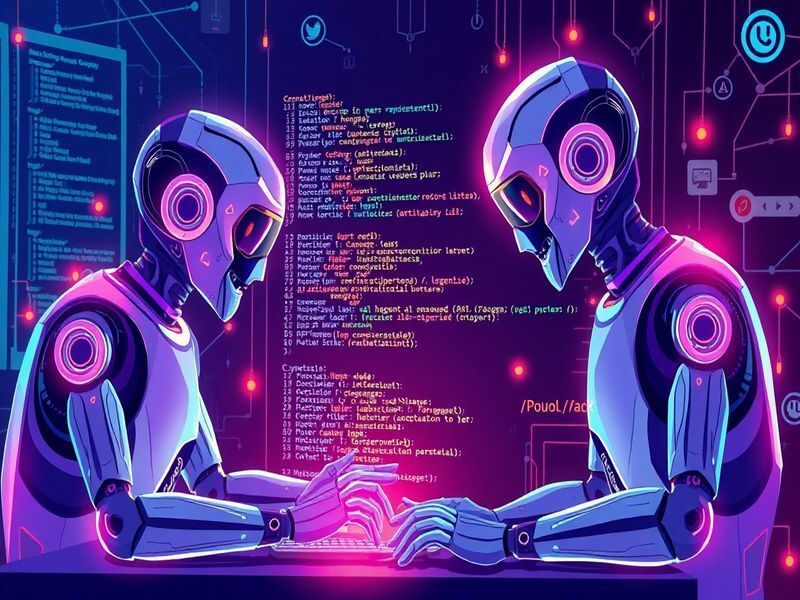
AI agent teams are groups of AI systems that work collaboratively to achieve specific tasks or projects. In the context of coding, these agents can take on diverse roles, from writing and debugging code to providing insights and optimizations. Unlike traditional single-agent systems, AI agent teams can coordinate their actions, share information, and enhance problem-solving capabilities through synergy.
Claude Opus 4.6 is a prime example of this technology, showcasing advanced functionalities that allow for seamless collaboration among multiple AI agents. Each agent can specialize in different domains, such as user interface design, backend logic, or database management, thus enabling a comprehensive approach to software development.
The Benefits of AI Agent Teams in Software Development
The integration of AI agent teams into software development brings a multitude of benefits:
- Increased Efficiency: AI agents can perform tasks faster than humans, from code generation to error detection. This speed can drastically reduce development cycles.
- Enhanced Collaboration: Multiple agents working together can share insights and resources, leading to innovative solutions that may not emerge from individual efforts.
- Reduced Human Error: AI systems are less prone to common human mistakes, ensuring higher quality code and fewer bugs.
- 24/7 Availability: AI agents can work around the clock without fatigue, enabling continuous integration and deployment.
- Scalability: As projects grow, additional agents can be deployed to handle increased workloads, making it easier to scale development efforts.
Practical Insights: Implementing AI Agent Teams
For organizations looking to implement AI agent teams like Claude Opus 4.6 in their software development processes, several steps can be taken:
- Identify Specific Needs: Assess the areas of your development process that could benefit from automation and collaboration.
- Choose the Right Tools: Select AI agents that align with your needs, such as code analysis tools, testing frameworks, or deployment automation systems.
- Train Your Agents: Use historical project data to train the AI agents, ensuring they understand your coding standards and project requirements.
- Monitor and Optimize: Regularly track the performance of AI agent teams and make adjustments to improve their effectiveness.
- Encourage Human-AI Collaboration: Foster an environment where human developers can work alongside AI agents, leveraging their strengths to create a more efficient workflow.
Industry Implications of AI Agent Teams
The rise of AI agent teams is poised to have significant implications for the software development industry:
- Job Transformation: While AI may automate certain coding tasks, it will also create new roles focused on managing and collaborating with AI systems.
- Innovation Acceleration: With AI agents handling routine tasks, human developers can focus on more strategic and creative aspects of software design.
- Global Collaboration: AI agent teams can facilitate remote collaboration across different geographies, allowing teams to work together more effectively.
- Cost Reduction: Increased efficiency and reduced time-to-market can lower overall development costs, making software development more accessible to startups and smaller companies.
Future Possibilities: What Lies Ahead?
As AI technology continues to evolve, the future of AI agent teams in software development is incredibly promising. Here are some potential developments to watch for:
- Advanced Natural Language Processing: Future AI agents may use more sophisticated NLP capabilities, allowing them to understand and generate code based on natural language descriptions.
- Increased Autonomy: AI agents may progress towards greater autonomy, allowing them to make complex decisions without human intervention.
- Integration with Other Technologies: AI agent teams could integrate with other emerging technologies, such as blockchain for secure code deployment or IoT for managing devices.
- Ethical Considerations: As AI agents take on more responsibilities, discussions around ethics, accountability, and bias in AI development will become increasingly important.
In conclusion, the rise of AI agent teams like Claude Opus 4.6 represents a significant shift in the software development landscape. By fostering collaboration, increasing efficiency, and reducing errors, these teams have the potential to revolutionize the way we approach coding and software projects. As organizations embrace this new paradigm, the future of development looks bright, with endless possibilities for innovation and growth.