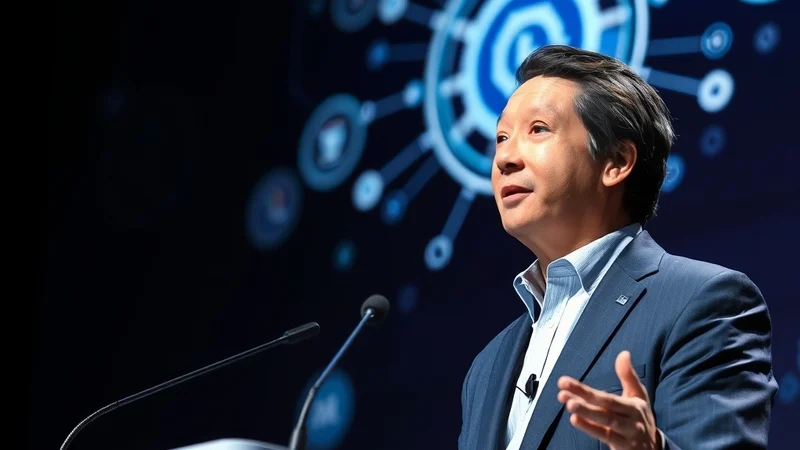
The Rise of AI-Driven Personalization in Technology
In recent years, artificial intelligence (AI) has transformed the landscape of user experience across various applications, creating a paradigm shift in how technology interacts with individuals. One notable trend is the rise of AI-driven personalization, where systems learn from user interactions to tailor experiences uniquely suited to each individual. Applications like Gemini Notebook and AI earbuds exemplify this trend, showcasing how AI enhances user experience and drives engagement.
Understanding AI-Driven Personalization
At its core, AI-driven personalization involves collecting and analyzing user data to predict preferences and behaviors. This process often utilizes machine learning algorithms that can identify patterns in large datasets. The implications of this technology reach far and wide, impacting everything from marketing strategies to product development.
- Data Collection: AI systems gather data from user interactions, preferences, and feedback.
- Pattern Recognition: Machine learning identifies trends and patterns in the collected data.
- Personalized Experiences: AI tailors recommendations and experiences based on user data.
AI in Gemini Notebook
Gemini Notebook is a powerful example of AI-driven personalization in technology. This application leverages AI to optimize the note-taking experience, allowing users to organize their thoughts and ideas efficiently. Here’s how it enhances user experience:
- Smart Organization: Gemini Notebook uses AI to categorize notes based on content and context, making retrieval easier.
- Contextual Suggestions: The AI engine provides suggestions for related topics or content, enriching the user’s note-taking process.
- Learning User Preferences: Over time, the application learns individual user habits, refining its recommendations to better suit their style.
This level of personalization not only improves efficiency but also fosters a deeper connection between the user and the application, as the AI becomes an invisible assistant that adapts to the user’s needs.
AI Earbuds: A Listening Revolution
AI earbuds represent another frontier in personalized technology. These devices employ AI to enhance audio experiences based on user preferences and environmental conditions. Key features include:
- Adaptive Sound Control: AI earbuds can adjust sound profiles based on the user’s surroundings, ensuring optimal listening experiences whether at home, in a café, or on public transport.
- Voice Recognition: Advanced speech recognition capabilities allow users to control their earbuds with voice commands, improving accessibility and ease of use.
- Personalized Audio Profiles: The earbuds can learn from user feedback to create custom audio profiles that suit individual listening preferences.
With such capabilities, AI earbuds not only deliver superior sound quality but also create a more immersive experience by adapting to the user’s environment and preferences.
Industry Implications
The rise of AI-driven personalization is reshaping industries by enhancing user engagement and satisfaction. Companies that embrace this technology can gain a competitive edge through:
- Enhanced Customer Loyalty: By providing personalized experiences, brands can foster a stronger emotional connection with users, leading to greater loyalty.
- Data-Driven Insights: Collecting and analyzing user data allows companies to make informed decisions about product development and marketing strategies.
- Increased Efficiency: Personalized recommendations can streamline user interactions, reducing friction and enhancing overall productivity.
Future Possibilities
As AI technology continues to evolve, the potential for personalization is vast. Looking ahead, we can anticipate several exciting developments:
- Greater Integration: AI-driven personalization will likely become more integrated into various aspects of technology, from smart homes to wearable devices.
- Real-Time Adaptation: Future applications may be able to adapt in real-time to both user preferences and environmental changes, resulting in seamless experiences.
- Ethical Considerations: As personalization becomes more pervasive, addressing ethical concerns related to data privacy and user consent will be crucial.
Understanding how to balance personalization with ethical considerations will be a key challenge for developers and companies moving forward.
Conclusion
The rise of AI-driven personalization is revolutionizing the way users interact with technology. Applications like Gemini Notebook and AI earbuds highlight the potential for AI to enhance user experiences, drive engagement, and foster loyalty. As this technology continues to develop, the future holds exciting possibilities, promising a more personalized, efficient, and ethically sound digital landscape.