
The Rise of AI-Driven Trading: How TradeOS AI is Changing the Game
The world of trading is undergoing a significant transformation, fueled by advancements in artificial intelligence (AI) and machine learning technologies. Among the forefront players in this revolution is TradeOS AI, which leverages cutting-edge algorithms and autonomous trading agents to operate in various markets, including stocks and cryptocurrencies. This article explores how TradeOS AI is reshaping the trading landscape, the implications for the industry, and the possibilities for future innovations.
Understanding Autonomous Trading Agents
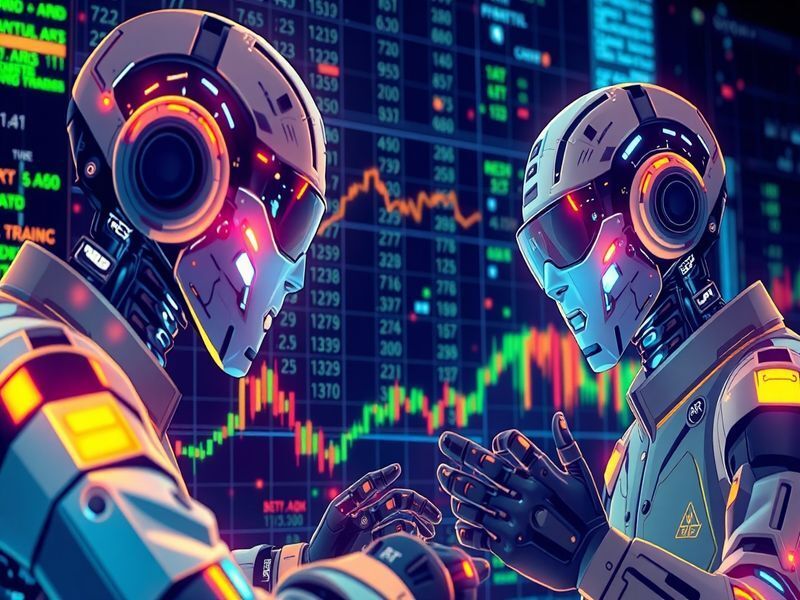
At the heart of AI-driven trading lies the concept of autonomous trading agents. These sophisticated algorithms operate around the clock, analyzing vast amounts of data and executing trades without human intervention. The primary features of these agents include:
- 24/7 Operation: Unlike traditional traders, AI agents are not constrained by time. They can monitor markets and execute trades at any hour, ensuring they can capitalize on opportunities as they arise.
- Data-Driven Decisions: Autonomous agents analyze real-time data, including market trends, price movements, and social media sentiment, enabling them to make informed trading decisions swiftly.
- Risk Management: These agents can implement advanced risk management strategies, such as setting stop-loss orders and diversifying portfolios to mitigate potential losses.
The Advantages of AI-Driven Trading
The integration of AI in trading brings numerous advantages that enhance trading efficiency and profitability:
- Speed: AI can process information at lightning speed, allowing traders to respond to market changes faster than any human could.
- Accuracy: Machine learning algorithms can identify patterns and correlations in data that human traders might overlook, leading to more accurate predictions.
- Emotionless Trading: AI-driven systems are not influenced by emotions, which can often lead to irrational trading decisions. This objectivity helps in maintaining a disciplined trading approach.
Industry Implications
The rise of AI-driven trading platforms like TradeOS AI is reshaping the financial industry in several ways:
- Increased Competition: With the accessibility of AI tools, more traders can enter the market, leading to heightened competition. This can result in lower profit margins for traditional trading firms.
- Job Displacement: As trading automation becomes more prevalent, there is a concern about job displacement for traders and financial analysts. While AI may enhance productivity, it also raises questions about the future of human roles in trading.
- Regulatory Challenges: The rapid growth of AI in trading necessitates the development of new regulatory frameworks to ensure fairness and transparency in the markets. Regulators will need to keep pace with technological advancements to protect investors.
Future Possibilities
The future of AI-driven trading is rich with possibilities. As technology continues to evolve, we can expect several trends to emerge:
- Greater Personalization: Future autonomous trading agents may leverage user data to provide more personalized trading strategies tailored to individual risk tolerances and investment goals.
- Enhanced Collaboration: Integrating AI with blockchain technology could lead to more transparent and efficient trading systems, further reducing costs and fraud.
- Improved Predictive Analytics: As machine learning models become more sophisticated, we can anticipate even more accurate predictive analytics that can adapt to market fluctuations in real-time.
Conclusion
The rise of AI-driven trading, exemplified by platforms like TradeOS AI, marks a paradigm shift in how financial markets operate. As autonomous trading agents take the helm, they offer unparalleled advantages in speed, accuracy, and efficiency. While this revolution brings challenges, such as increased competition and regulatory concerns, the future holds exciting possibilities for innovation and growth in the trading landscape. For tech enthusiasts and professionals alike, understanding these developments is essential to navigating the future of finance.