

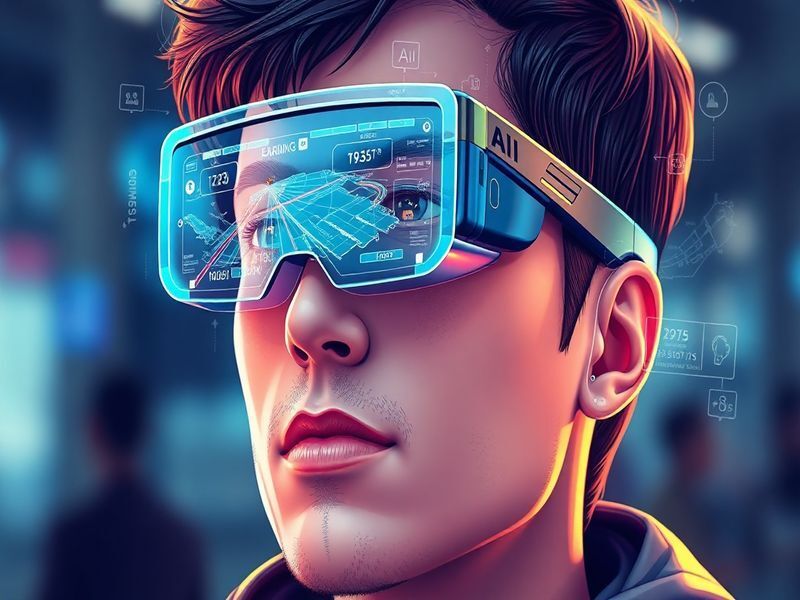
# The Rise of AI Glasses: A New Era of Wearable Technology
## Introduction
The world of wearable technology is on the cusp of a revolution, driven by the integration of artificial intelligence (AI) into everyday devices. Among the most exciting developments are AI-powered glasses, which promise to blend seamlessly with our daily lives, offering unprecedented convenience, connectivity, and functionality. These smart glasses are not just about displaying information; they are about enhancing our interactions with the world around us. In this article, we will explore the features, industry implications, and future possibilities of AI glasses.
## Features of AI-Powered Glasses
### Enhanced Vision and Augmented Reality
AI glasses leverage advanced computer vision and augmented reality (AR) technologies to overlay digital information onto the real world. This can include:
- Real-time navigation and directions
- Instant translation of text and signs
- Identification of objects, people, and landmarks
- Contextual information about your surroundings
For example, as you walk down a street, your AI glasses could highlight points of interest, provide historical context, or even suggest nearby restaurants based on your preferences.
### Voice and Gesture Control
AI glasses are designed to be hands-free, allowing users to interact with them through voice commands and gestures. This makes them ideal for situations where using a smartphone or tablet would be impractical or unsafe. Some of the key features include:
- Voice-activated searches and commands
- Gesture-based navigation and control
- Integration with virtual assistants like Siri, Alexa, or Google Assistant
- Customizable voice and gesture commands
### Health and Fitness Monitoring
Many AI glasses come equipped with sensors that can monitor various health metrics, such as heart rate, steps taken, and calories burned. This data can be synced with fitness apps and health trackers to provide a comprehensive overview of your well-being. Some advanced models even offer:
- Stress level monitoring
- Sleep tracking
- Hydration reminders
- Posture correction alerts
### Seamless Connectivity
AI glasses are designed to work seamlessly with other devices, such as smartphones, tablets, and smart home systems. This allows for a unified ecosystem where information and commands can be shared effortlessly. Key connectivity features include:
- Bluetooth and Wi-Fi connectivity
- Integration with smart home devices
- File sharing and media streaming
- Remote control capabilities
## Industry Implications
### Healthcare and Medicine
AI glasses have the potential to revolutionize the healthcare industry by providing real-time data and assistance to medical professionals. For example:
- Surgeons can use AI glasses to access patient records and medical imaging during procedures
- Nurses can receive alerts and reminders about patient care tasks
- Elderly patients can use AI glasses to monitor their health and receive timely interventions
### Education and Training
In the education sector, AI glasses can enhance learning experiences by providing interactive and immersive content. Some applications include:
- Virtual field trips and interactive lessons
- Language learning through real-time translation and pronunciation feedback
- Hands-on training for technical and vocational skills
### Retail and Customer Service
Retailers can leverage AI glasses to improve customer service and streamline operations. Potential uses include:
- Personalized shopping assistance and product recommendations
- Inventory management and stock tracking
- Enhanced customer support through real-time information access
## Future Possibilities
### Enhanced Personalization
As AI technologies continue to evolve, AI glasses will become even more personalized, adapting to individual preferences and behaviors. Future advancements may include:
- AI-driven personalized recommendations for entertainment, shopping, and dining
- Adaptive interfaces that change based on user preferences and context
- Integration with social media and communication platforms for seamless interaction
### Improved Accessibility
AI glasses have the potential to significantly improve accessibility for individuals with disabilities. Future developments may include:
- Real-time captioning and audio descriptions for the visually and hearing impaired
- Navigation assistance for individuals with mobility challenges
- Assistive technologies for individuals with cognitive disabilities
### Integration with Smart Cities
As smart cities become more prevalent, AI glasses will play a crucial role in enhancing urban living. Potential applications include:
- Real-time traffic and public transportation information
- Access to city services and information through augmented reality interfaces
- Enhanced safety and security through real-time alerts and notifications
## Conclusion
The rise of AI glasses represents a significant leap forward in wearable technology, offering a blend of convenience, connectivity, and functionality that was previously unimaginable. As these devices become more sophisticated and widespread, they have the potential to transform industries and enhance our daily lives in countless ways. The future of AI glasses is bright, and we can expect to see even more innovative applications and advancements in the years to come.
—