
# The Rise of AI-Powered Home Robots: A $5.6B Startup Predicts General-Purpose Robots Within 1-3 Years
## Introduction
The landscape of home automation and robotics is on the brink of a revolutionary shift. A $5.6 billion startup, Figure AI, has boldly predicted that general-purpose home robots could become a reality within the next 1-3 years. This prediction is not just a pipe dream but a testament to the rapid advancements in artificial intelligence (AI), machine learning (ML), and robotics. The integration of these technologies is paving the way for robots that can perform a wide range of tasks, from household chores to complex problem-solving.
## The Current State of Home Robots
### Limited Capabilities
Currently, home robots are largely limited to specific tasks. Robotic vacuum cleaners, for example, can navigate and clean floors but lack the ability to perform more complex tasks. Similarly, robotic lawn mowers can maintain lawns but cannot interact with the environment in a meaningful way. These robots are essentially single-purpose tools, lacking the versatility and adaptability that would make them truly useful in a general-purpose capacity.
### Emerging Technologies
However, the landscape is changing rapidly. Advances in AI and ML are enabling robots to become more versatile and capable. Companies like Figure AI are at the forefront of this revolution, developing robots that can learn from their environment and adapt to new tasks. These robots are equipped with sophisticated sensors, cameras, and AI algorithms that allow them to understand and interact with their surroundings in a more human-like manner.
## The Role of AI and Machine Learning
### AI-Driven Adaptability
AI is the backbone of the next generation of home robots. Machine learning algorithms enable robots to learn from their experiences and improve their performance over time. For example, a robot equipped with AI can learn to recognize different types of objects, understand human commands, and perform tasks with greater accuracy and efficiency.
### Natural Language Processing (NLP)
Natural Language Processing (NLP) is another critical component. NLP allows robots to understand and respond to human language, making them more intuitive and user-friendly. This technology enables robots to interpret complex commands, engage in conversation, and provide assistance in a more natural and seamless manner.
### Computer Vision
Computer vision is yet another crucial technology. It enables robots to “see” and understand their environment. By processing visual data, robots can navigate complex spaces, identify objects, and perform tasks with precision. This technology is essential for robots to operate safely and effectively in a home environment.
## Industry Implications
### Market Growth
The market for home robots is poised for significant growth. According to various industry reports, the global market for home robots is expected to reach billions of dollars in the coming years. This growth is driven by increasing consumer demand for automation and the rapid advancements in AI and robotics technologies.
### Economic Impact
The economic impact of AI-powered home robots is also substantial. These robots have the potential to create new job opportunities in the fields of robotics, AI, and home automation. Additionally, they can enhance productivity and efficiency in households, freeing up time for more meaningful activities.
### Ethical Considerations
However, the rise of AI-powered home robots also raises ethical considerations. Issues such as privacy, security, and the potential for job displacement need to be carefully considered. As these technologies become more prevalent, it will be crucial to develop robust ethical frameworks and regulations to ensure their responsible use.
## Future Possibilities
### General-Purpose Robots
The prediction by Figure AI that general-purpose home robots could be available within 1-3 years is a significant milestone. These robots would be capable of performing a wide range of tasks, from cleaning and cooking to providing companionship and assistance. They would be equipped with advanced AI algorithms, sensors, and actuators, enabling them to adapt to various environments and tasks.
### Smart Homes
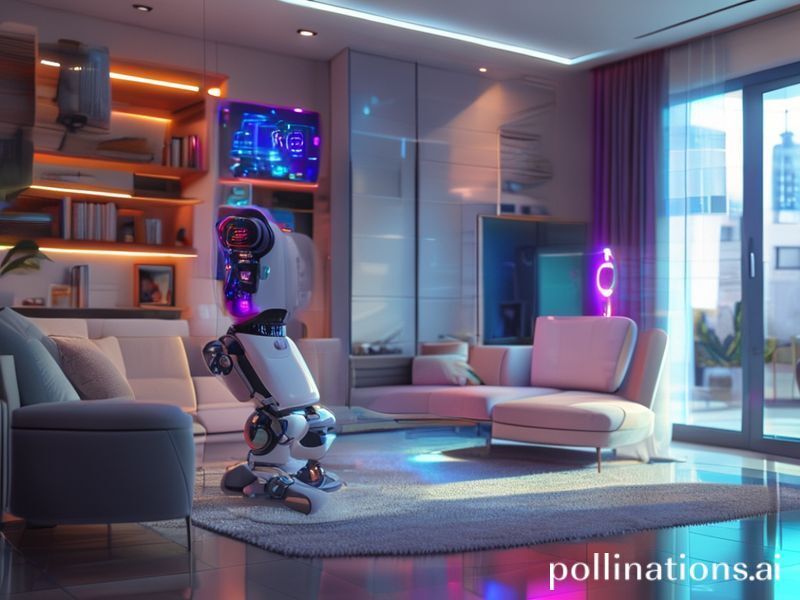
The integration of AI-powered home robots with smart home systems is another exciting possibility. These robots could seamlessly interact with other smart devices in the home, creating a fully automated and intelligent living environment. For example, a robot could coordinate with smart lighting, thermostats, and security systems to optimize the home environment for comfort, security, and energy efficiency.
### Healthcare and Elderly Care
AI-powered home robots also have significant potential in healthcare and elderly care. They could assist with medication management, monitor health conditions, and provide companionship to elderly individuals, enhancing their quality of life and independence. This application is particularly relevant given the aging population and the increasing demand for healthcare services.
## Practical Insights for Tech Enthusiasts
### DIY Robotics
For tech enthusiasts, the rise of AI-powered home robots presents exciting opportunities for DIY robotics projects. Open-source platforms and development kits are becoming increasingly available, allowing hobbyists to build and program their own robots. This democratization of robotics technology is fostering a vibrant community of innovators and creators.
### Learning Resources
There are numerous resources available for those interested in learning more about AI and robotics. Online courses, tutorials, and forums provide valuable knowledge and support. Engaging with these resources can help individuals develop the skills and expertise needed to contribute to the field of home robotics.
### Community Engagement
Joining robotics and AI communities can also be highly beneficial. These communities provide a platform for sharing ideas, collaborating on projects, and staying updated on the latest advancements. Engaging with like-minded individuals can inspire innovation and accelerate the development of new technologies.
## Conclusion
The rise of AI-powered home robots represents a significant leap forward in the fields of AI, robotics, and home automation. With companies like Figure AI leading the charge, the prospect of general-purpose home robots becoming a reality within the next few years is increasingly plausible. As these technologies continue to evolve, they have the potential to transform our daily lives, enhancing productivity, efficiency, and quality of life. For tech enthusiasts and professionals, this is an exciting time to explore, innovate, and contribute to the future of home robotics.
—