

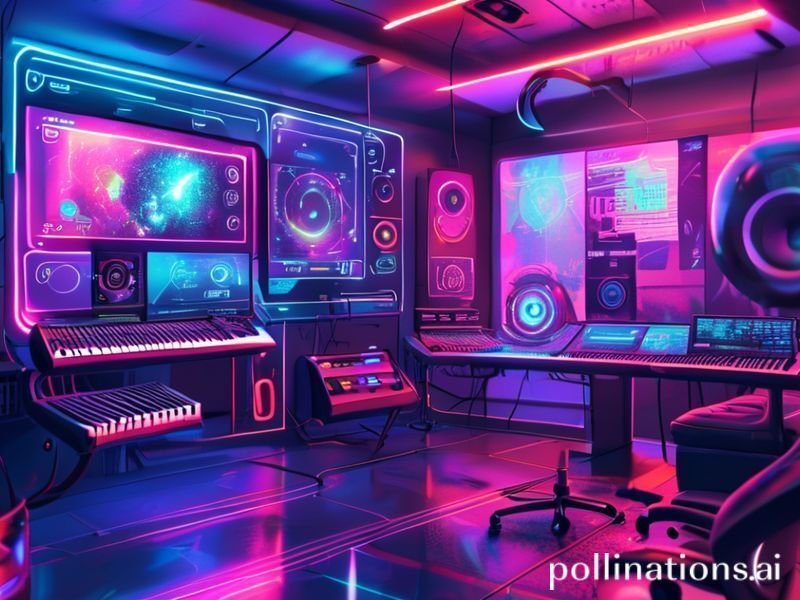
# The Rise of AI-Powered Music: ElevenLabs’ AI Album and the Future of Music Creation
## Introduction
The intersection of artificial intelligence and creative arts has always been a fascinating realm, but recent advancements have pushed the boundaries of what’s possible. ElevenLabs, a pioneering AI company, has made waves with its AI-generated album, showcasing the potential of AI in music creation. This article delves into the rise of AI-powered music, the implications for the industry, and the future possibilities that lie ahead.
## The Emergence of AI in Music
### Understanding AI-Generated Music
AI-generated music involves using machine learning algorithms to compose, arrange, and produce music. These algorithms are trained on vast datasets of existing music, enabling them to understand patterns, structures, and styles. The result is music that can be entirely AI-generated or a collaboration between human artists and AI.
### ElevenLabs’ AI Album
ElevenLabs’ AI album is a testament to the capabilities of AI in music creation. The album features tracks composed entirely by AI, demonstrating the technology’s ability to create emotionally resonant and musically sophisticated pieces. The project highlights several key aspects:
- Composition: AI algorithms analyze and learn from existing compositions to create new, original pieces.
- Arrangement: AI can arrange music by understanding the relationships between different instruments and musical elements.
- Production: AI tools can mix and master tracks, ensuring high-quality output.
## Practical Insights and Industry Implications
### For Musicians and Producers
AI-powered music tools offer several benefits for musicians and producers:
- Enhanced Creativity: AI can generate new ideas, melodies, and arrangements, serving as a creative partner.
- Efficiency: AI can automate repetitive tasks, allowing artists to focus on the creative aspects of music production.
- Accessibility: AI tools can democratize music production, making it accessible to a broader range of creators.
### For the Music Industry
The rise of AI in music has significant implications for the industry:
- New Revenue Streams: AI-generated music can create new revenue opportunities, such as licensing AI-composed tracks for films, games, and advertisements.
- Personalization: AI can enable highly personalized music experiences, tailoring tracks to individual listener preferences.
- Challenges: The industry must address issues related to copyright, ownership, and the ethical use of AI in music creation.
## Future Possibilities
### AI as a Collaborative Tool
The future of AI in music lies in its role as a collaborative tool. AI can assist human artists in various ways:
- Idea Generation: AI can generate initial ideas, melodies, or chord progressions that artists can refine and develop.
- Improvisation: AI can improvise alongside human musicians, creating dynamic and interactive performances.
- Adaptation: AI can adapt music in real-time to suit different contexts, such as live performances or interactive media.
### AI in Music Education
AI has the potential to revolutionize music education:
- Personalized Learning: AI can provide personalized lessons and feedback, helping students improve their skills.
- Accessibility: AI tools can make music education more accessible to individuals with disabilities.
- Creative Exploration: AI can encourage students to explore different musical styles and genres, fostering creativity.
## Conclusion
The rise of AI-powered music, exemplified by ElevenLabs’ AI album, marks a significant milestone in the intersection of technology and the arts. As AI continues to evolve, its role in music creation will become increasingly prominent, offering new opportunities and challenges for artists, producers, and the industry as a whole. The future of music is not just about human creativity; it’s about the synergy between human ingenuity and AI innovation.
—