

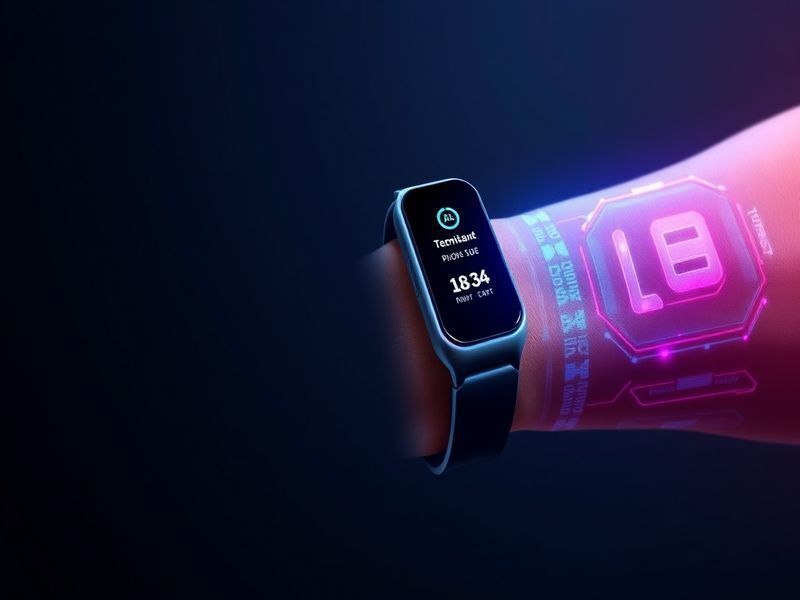
The Rise of AI-Powered Wearable Technology: How Fort’s Wristband is Changing the Game for Strength Training Enthusiasts
The world of wearable technology has undergone a remarkable transformation in recent years, fueled by advancements in artificial intelligence (AI) and machine learning. Among the latest innovations is Fort’s AI-powered wristband, which is designed specifically for strength training enthusiasts. This cutting-edge device not only tracks performance with unparalleled accuracy but also offers insights that can help users optimize their workouts. In this article, we will explore the features of Fort’s wristband, its implications for the fitness industry, and the future possibilities of AI in wearable technology.
Understanding Fort’s AI-Powered Wristband
Fort’s wristband stands out in the crowded market of fitness trackers by integrating sophisticated AI algorithms with ergonomic design. This wristband is not just a simple pedometer; it is an advanced tool that provides a comprehensive view of a user’s strength training regimen.
- Advanced Tracking Capabilities: The wristband utilizes AI to analyze various parameters during workouts, including heart rate, muscle activation, and fatigue levels.
- Real-Time Feedback: Users receive instant feedback on their performance, allowing them to make adjustments on the fly.
- Personalized Recommendations: Based on the data collected, the AI offers tailored workout suggestions aimed at improving strength and endurance.
- Progress Monitoring: The device tracks long-term progress, providing users with detailed reports and analytics.
Practical Insights for Strength Training Enthusiasts
For those serious about their strength training, the features of Fort’s wristband can lead to significant improvements in performance. Here are some practical insights into how this technology can enhance training routines:
- Data-Driven Decisions: Strength trainers can leverage the data provided by Fort’s wristband to make informed decisions about their workouts. This means understanding when to push harder or when to take a step back for recovery.
- Injury Prevention: By monitoring muscle fatigue and activation, the wristband can help users avoid injuries by recommending appropriate rest days or modifications to their routines.
- Motivation Through Analytics: The visual representation of progress can serve as a powerful motivator, encouraging users to stick to their training plans.
Industry Implications
The introduction of AI-powered wearable technology like Fort’s wristband is poised to disrupt the fitness industry. Here are some of the broader implications:
- Personal Training Revolutionized: With the ability to receive real-time feedback and personalized recommendations, users may find themselves relying less on traditional personal trainers.
- Shift Towards Data-Driven Fitness: The demand for data analytics in fitness will continue to grow, encouraging more companies to invest in AI technologies.
- Enhanced User Experience: As wearables become more intelligent, users can expect a more interactive and engaging experience, potentially leading to higher retention rates in fitness programs.
Future Possibilities of AI in Wearable Technology
The future of AI in wearable technology appears bright. As we look ahead, several trends are likely to shape the landscape:
- Integration with Other Technologies: Future wearables may seamlessly integrate with smart home devices and mobile apps, creating a holistic health and fitness ecosystem.
- Expansion into Other Fitness Domains: Beyond strength training, AI-powered wearables could revolutionize other areas such as endurance sports, yoga, and rehabilitation.
- Enhanced Predictive Analytics: As machine learning algorithms improve, wearables may be able to predict injuries or performance plateaus before they occur, allowing users to proactively manage their training.
In conclusion, the rise of AI-powered wearable technology, exemplified by Fort’s wristband, is transforming the fitness industry. With its advanced tracking capabilities and personalized insights, this device empowers strength training enthusiasts to optimize their workouts and enhance their overall performance. As technology continues to evolve, the possibilities for AI in wearables are limitless, promising a future where fitness is more personalized, data-driven, and engaging than ever before.