
The Rise of Deepfake Fraud: An Industrial Challenge
The emergence of deepfake technology has opened new avenues for creativity and innovation, but it has also given rise to a significant threat in the realm of financial fraud. Deepfakes, which utilize advanced artificial intelligence techniques to create realistic-looking fake videos and audio recordings, are increasingly being exploited by scammers to deceive individuals and organizations alike. This article examines the growing threat of deepfake technology in financial scams and its implications for security.
Understanding Deepfake Technology
Deepfakes leverage deep learning algorithms, especially generative adversarial networks (GANs), to produce synthetic media that can mimic real people. The technology is evolving rapidly, making it easier for individuals with limited technical skills to create convincing fake content. Some key points about deepfake technology include:
- Accessibility: Tools and apps that generate deepfakes are becoming more user-friendly and widely available.
- Quality: The fidelity of deepfake videos has improved significantly, making it challenging for the naked eye to detect fakes.
- Variety: Deepfake technology is not limited to video; it also extends to audio, creating a broader spectrum of fraudulent possibilities.
The Threat Landscape in Financial Scams
As deepfake technology becomes more sophisticated, its application in financial scams is a growing concern. Here are some common ways deepfakes are being used in financial fraud:
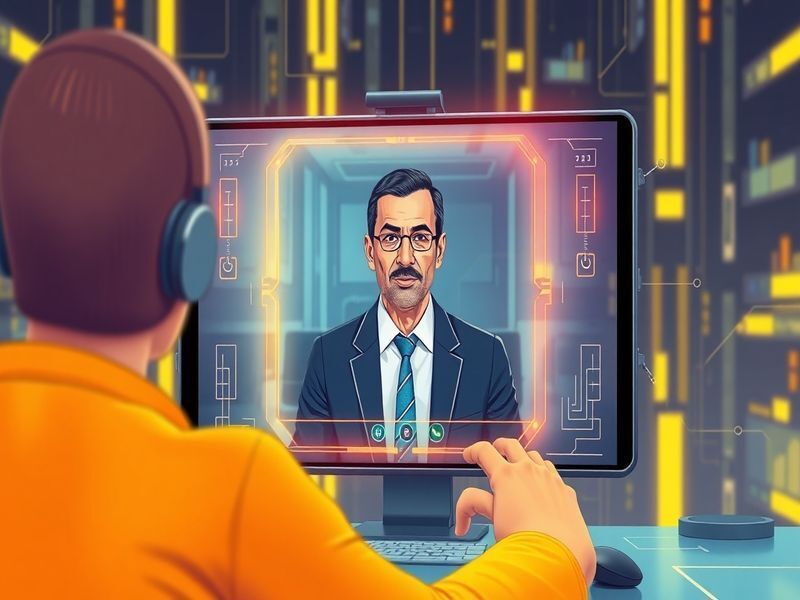
- CEO Fraud: Scammers impersonate executives in video calls, instructing employees to transfer funds or share sensitive information.
- Investment Scams: Fake endorsements from high-profile individuals are created to lure victims into investing in non-existent opportunities.
- Identity Theft: Deepfakes can be used to fabricate identities, allowing criminals to open bank accounts or apply for loans without detection.
Insights and Implications for Industries
The implications of deepfake technology extend far beyond individual victims, impacting industries and organizations globally. Here are some practical insights for businesses:
- Enhanced Security Measures: Companies must invest in cutting-edge technologies that can detect deepfakes. This includes biometric verification systems that analyze voice and facial recognition.
- Employee Training: Regular training programs should be instituted to make employees aware of the risks associated with deepfake technology. This includes simulations of deepfake scenarios to help them recognize potential threats.
- Legal Frameworks: The legal landscape surrounding deepfakes is still evolving. Organizations should stay informed about new regulations that may affect their operations and compliance obligations.
Future Possibilities and Innovations
As deepfake technology continues to evolve, so too must the strategies to combat it. The future may hold several innovations aimed at addressing the challenges posed by deepfakes:
- AI-Driven Detection: Enhancements in machine learning algorithms may lead to better detection systems capable of identifying deepfakes in real-time.
- Blockchain Technology: The integration of blockchain could provide a secure way to verify the authenticity of videos and audio recordings, creating unalterable records of original content.
- Public Awareness Campaigns: Increased awareness and education about deepfakes among consumers can help mitigate risks and protect individuals from falling victim to scams.
Conclusion
The rise of deepfake technology presents both opportunities and challenges in the industrial landscape. While its potential applications can be groundbreaking, the risks associated with financial scams and fraud cannot be ignored. As deepfake technology continues to mature, businesses and individuals must adopt proactive measures to safeguard themselves against this emerging threat. The fight against deepfake fraud will require a combination of innovative technology, employee vigilance, and robust legal frameworks to protect the integrity of our financial systems.