

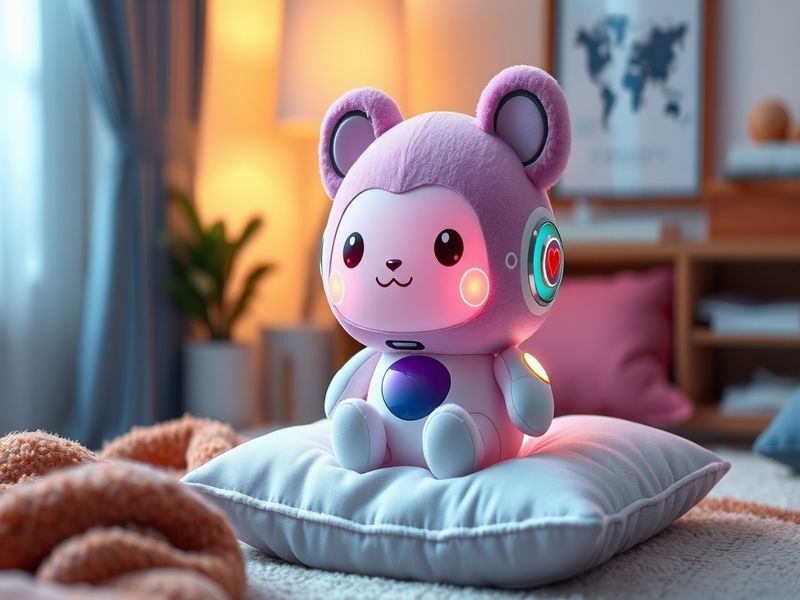
The Rise of Emotional AI: Casio’s Moflin
In the ever-evolving landscape of artificial intelligence, a new player has emerged that combines advanced technology with emotional intelligence: Casio’s Moflin. This plush toy is not just a cute companion; it is a cutting-edge example of emotional AI designed to recognize and respond to the emotional states of its users. As we explore the capabilities of Moflin, we will delve into its underlying technology, practical applications, and the broader implications of emotional AI in our lives.
What is Emotional AI?
Emotional AI, or affective computing, refers to the development of systems and devices that can recognize, interpret, and respond to human emotions. By leveraging machine learning, natural language processing, and data analytics, emotional AI aims to create more meaningful interactions between humans and machines.
Key characteristics of emotional AI include:
- Emotion Recognition: The ability to detect emotional states through facial expressions, voice tone, or physiological signals.
- Emotion Simulation: The capability to simulate emotional responses, allowing devices to interact in a more human-like manner.
- Adaptive Learning: The ability to learn and adapt to user preferences and emotional patterns over time.
Introducing Moflin: The Emotional Companion
Moflin is a plush toy that represents a significant leap forward in emotional AI. Designed to learn and respond to the emotional cues of its owner, Moflin offers a unique blend of comfort and companionship. Its soft exterior and interactive features make it particularly appealing to various demographics, including children, the elderly, and anyone seeking emotional support.
Capabilities of Moflin
Moflin employs several advanced technologies to deliver its emotional AI capabilities:
- Emotion Detection: Using built-in sensors, Moflin can gauge the emotional state of its user by analyzing voice tone, body language, and even environmental factors. This allows it to respond appropriately to joy, sadness, or stress.
- Interactive Learning: Moflin learns from its interactions. The more time users spend with it, the better it understands their emotional patterns, preferences, and unique quirks.
- Calming Responses: When Moflin detects signs of anxiety or distress, it can initiate calming behaviors, such as gentle sounds or vibrations, providing a soothing experience for the user.
Practical Insights and Applications
The implications of Moflin and similar emotional AI products are profound. Here are a few practical insights:
- Therapeutic Use: Moflin can serve as a calming companion for individuals dealing with anxiety, depression, or loneliness. It offers an accessible form of emotional support without the stigma that sometimes accompanies traditional therapy.
- Child Development: For children, Moflin can be a nurturing companion that helps them understand and manage their emotions. This could be particularly beneficial for children with autism or other developmental challenges.
- Elderly Care: In addition to providing companionship, Moflin can help elderly users feel less isolated, improving their overall mental health and well-being.
Industry Implications
The rise of emotional AI, exemplified by Moflin, signals a shift in how we view technology. Rather than being cold, calculating machines, AI systems are becoming more emotionally aware. This has several industry implications:
- Increased Demand for Emotional AI: As society becomes more aware of mental health issues, the demand for emotionally intelligent devices will likely increase, leading to more innovations in this field.
- Integration into Healthcare: Emotional AI can play a critical role in healthcare by providing support for patients and assisting healthcare professionals in monitoring emotional well-being.
- Ethical Considerations: As emotional AI becomes more prevalent, ethical questions regarding privacy, consent, and the emotional manipulation of users will need to be addressed.
The Future of Emotional AI
The future of emotional AI looks promising, with advancements in technology paving the way for even more sophisticated applications. Here are a few possibilities:
- Enhanced Personalization: Future emotional AI companions could offer even greater personalization, tailoring their responses to individual user needs and preferences.
- Integration with Smart Homes: Emotional AI could be integrated into smart home systems, allowing devices to create calming environments based on the emotional state of the residents.
- Broader Applications: Beyond toys and companions, emotional AI could find its way into customer service, education, and various other sectors, improving interactions and user experiences.
In conclusion, Casio’s Moflin is not just a toy; it is a reflection of the future of emotional AI. By learning and responding to human emotions, Moflin exemplifies how technology can enhance our lives in meaningful ways. As emotional AI continues to evolve, we can expect even more innovative solutions that prioritize our emotional well-being and redefine our relationship with technology.