

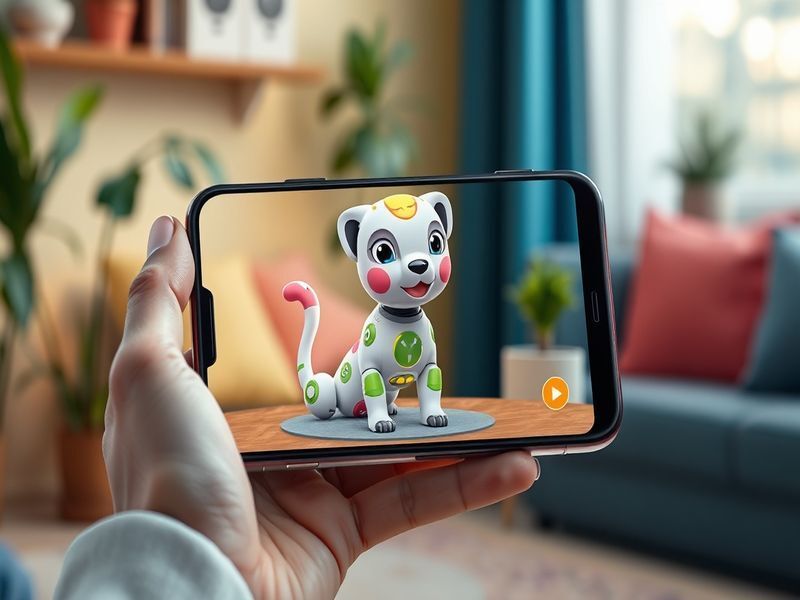
The Rise of Pocket AI Pets: A New Form of Companionship
In recent years, artificial intelligence has made significant strides, moving from being a tool for productivity to becoming a source of companionship. Among the most intriguing developments in this arena are pocket AI pets. These digital companions not only provide entertainment but also foster emotional connections, redefining how we perceive relationships with technology.
The Shift from Productivity Tools to Companionship
Traditionally, AI technologies have focused on enhancing productivity. From virtual assistants like Siri and Alexa to sophisticated project management tools, the primary objective was clear: improve efficiency and streamline workflows. However, the evolution of AI has introduced a new paradigm where emotional engagement takes center stage.
As people increasingly face feelings of loneliness and isolation, particularly in the wake of the COVID-19 pandemic, the demand for emotional support has surged. This has paved the way for AI companions that can engage users on a personal level, offering not just functionality but also friendship.
What Are Pocket AI Pets?
Pocket AI pets are digital entities designed to mimic the characteristics of real pets, providing users with companionship and emotional support. They are accessible via smartphones and other portable devices, making them a convenient option for people of all ages. Here are some features that define these AI companions:
- Interactive Engagement: These pets can respond to user commands, engage in conversations, and even learn from user interactions.
- Emotional Intelligence: Using sentiment analysis, pocket AI pets can gauge the emotional state of their users and respond accordingly.
- Customizable Personalities: Users can tailor the personality traits of their AI pets, making them more relatable and engaging.
Examples include apps like Replika, which allows users to create and chat with a virtual friend, and Anima, a customizable AI pet that learns from conversations to maintain an ongoing relationship.
Industry Implications
The emergence of pocket AI pets has significant implications across various sectors:
- Health and Well-being: Mental health professionals are beginning to incorporate AI companions as tools for therapy, providing support for those who may not otherwise seek help.
- Education: AI pets can serve as teaching tools, helping children develop social skills and emotional intelligence through interaction.
- Entertainment: The gaming industry is likely to integrate AI companions into virtual environments, enhancing user experience and engagement.
As companies explore these opportunities, the potential for partnerships between tech firms and mental health professionals could lead to innovative solutions that address emotional health concerns.
Future Possibilities
Looking ahead, the future of pocket AI pets is both exciting and uncertain. Here are some trends and possibilities that may shape their evolution:
- Advanced Personalization: Future iterations of AI pets will likely employ advanced machine learning algorithms to provide even more tailored experiences, adapting to users’ preferences and emotional needs.
- Integration with IoT: As the Internet of Things (IoT) continues to grow, AI pets could integrate with home devices, enhancing their ability to respond to users’ environments and needs.
- AI Ethics and Regulation: As these companions develop deeper emotional connections with users, ethical considerations regarding data privacy and emotional manipulation will become crucial. Expect regulatory frameworks to evolve alongside these technologies.
Moreover, as the technology becomes more mainstream, we may see a broader acceptance of AI companions in social contexts, with people feeling comfortable discussing their feelings and experiences with a digital entity.
Conclusion
The rise of pocket AI pets marks a significant shift in the landscape of artificial intelligence. These companions not only address functional needs but also fulfill emotional voids, offering a unique blend of friendship and support. As technology progresses, the relationship between humans and AI is poised to deepen, with implications that extend across mental health, education, and beyond. The future holds promising possibilities for integrating AI into everyday life, providing companionship that enriches human experience.