
The Risks of AI in Surgery: A Growing Concern
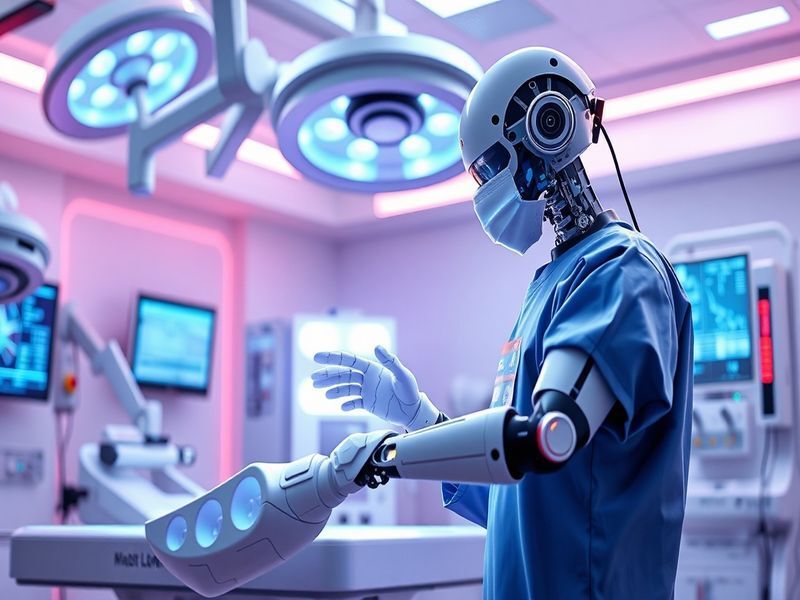
As the integration of artificial intelligence (AI) in healthcare accelerates, the surgical field is witnessing a transformative shift. AI-enabled surgical systems promise enhanced precision, reduced recovery times, and improved patient outcomes. However, an alarming trend is emerging — an increase in botched surgeries attributed to these advanced technologies. This article delves into the risks associated with AI in surgery, exploring the implications for the industry and future possibilities.
Understanding AI in Surgical Procedures
AI systems in surgery often involve advanced algorithms, robotics, and machine learning techniques. These technologies assist surgeons in various aspects, such as:
- Preoperative Planning: AI analyzes patient data to recommend optimal surgical approaches.
- Intraoperative Assistance: Robotic systems facilitate precision during complex procedures.
- Postoperative Monitoring: AI algorithms track patient recovery and predict complications.
Despite these advancements, the reliance on AI systems raises several concerns regarding safety and effectiveness.
Alarming Rise in Botched Surgeries
Incidents of botched surgeries linked to AI technologies are becoming increasingly reported. Some notable factors contributing to this trend include:
- Overreliance on Technology: Surgeons may become overly dependent on AI systems, leading to a decline in traditional surgical skills.
- Data Bias: AI algorithms trained on non-representative datasets may yield inaccurate predictions or recommendations.
- Technical Malfunctions: Hardware failures or software bugs can cause serious complications during surgery.
These issues have raised ethical questions about the role of AI in healthcare, emphasizing the need for cautious implementation.
Practical Insights From the Field
As healthcare institutions adopt AI technologies, several practical insights have emerged:
- Training and Education: Surgeons must receive training not only in traditional techniques but also in the use of AI systems to maintain a balance between technology and human skills.
- Robust Testing Protocols: AI systems should undergo rigorous testing to ensure reliability and accuracy before deployment in clinical settings.
- Continuous Monitoring: Postoperative outcomes should be closely monitored to gather data on the effectiveness of AI systems, facilitating iterative improvements.
Industry Implications
The implications of AI in surgery extend beyond individual patient cases. The healthcare industry must address the following:
- Regulation and Standards: Regulatory bodies need to establish guidelines for the safe integration of AI technologies in surgical practices.
- Liability Issues: The question of liability in cases of botched surgeries involving AI remains unclear, creating legal challenges for healthcare providers.
- Patient Trust: Transparency about the use of AI in surgical procedures is vital for maintaining patient trust in healthcare systems.
Future Possibilities
Looking ahead, the future of AI in surgery could present significant advancements and challenges. Potential developments include:
- Enhanced Collaboration: AI could facilitate better collaboration between surgical teams, improving decision-making processes and outcomes.
- Personalized Surgery: AI systems may evolve to provide highly personalized surgical plans tailored to individual patient needs.
- Robotics Evolution: Future robotic systems could integrate advanced AI to perform surgeries autonomously, albeit under human oversight.
While these advancements hold promise, the industry must tread carefully to ensure that patient safety remains paramount.
Conclusion
The integration of AI into surgical practices undoubtedly holds the potential for revolutionary advancements in healthcare. However, the associated risks, such as botched surgeries, demand responsible implementation and oversight. As the industry moves forward, a balanced approach that combines technological innovation with human expertise will be essential for realizing the full benefits of AI in surgery while safeguarding patient health.