
The White House Introduces a National AI Framework
In a significant move to address the rapid evolution of artificial intelligence (AI), the White House has recently proposed a National AI Framework. This initiative aims to establish comprehensive legislative guidelines for regulating AI at the federal level, ensuring that the technology is developed and deployed in a manner that is safe, ethical, and aligned with American values. In this article, we will explore the key components of the proposed framework, its industry implications, and the potential future landscape of AI regulation.
Key Components of the Proposed Framework
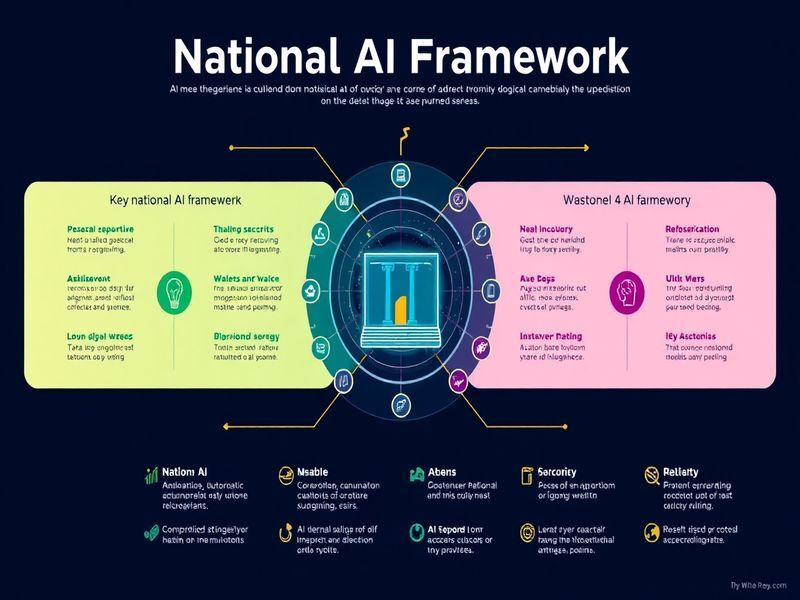
The National AI Framework consists of several foundational principles and guidelines designed to govern the development and use of AI technologies. Some of the essential components include:
- Transparency: The framework emphasizes the need for transparency in AI systems, requiring organizations to disclose their AI models and the data used to train them. This aims to build trust and accountability among users.
- Fairness: The guidelines stress the importance of fairness in AI applications, addressing issues such as bias in algorithms and ensuring equitable treatment across different demographic groups.
- Privacy Protection: With the increasing integration of AI in everyday life, the framework calls for strict measures to protect individual privacy, including data minimization and user consent protocols.
- Safety and Security: The proposed legislation includes provisions for the safety and security of AI systems, ensuring that they do not pose risks to public safety or national security.
- Collaboration with Industry: The White House acknowledges that collaboration with the private sector is crucial for effective AI regulation. The framework encourages partnerships between government and industry stakeholders to foster innovation while ensuring compliance with regulations.
Industry Implications
The introduction of a national AI framework is expected to have profound implications across various industries. Here are some potential impacts:
- Increased Compliance Costs: Companies will need to invest in compliance measures to adhere to the new regulations, which may lead to increased operational costs. This could especially impact smaller startups that may lack the resources to navigate complex regulatory requirements.
- Innovation Stifling or Encouragement: While some argue that stringent regulations could stifle innovation, others believe that a clear framework could actually encourage innovation by providing a set of rules that guide ethical AI development.
- Market Differentiation: Companies that prioritize ethical AI practices and transparency may gain a competitive edge in the market. Consumers are increasingly aware of ethical considerations and may prefer to use services from companies that align with their values.
- Job Creation in Compliance Roles: As organizations adapt to new regulations, there will be an increased demand for compliance officers, data scientists, and ethicists who specialize in AI governance.
Future Possibilities
The establishment of a national AI framework opens the door to several future possibilities in the realm of AI regulation:
- Global Standards Development: The U.S. could take a leadership role in developing global standards for AI, influencing international norms and practices.
- Adaptive Regulations: As AI technology evolves, the framework could evolve to remain relevant, incorporating feedback from industry stakeholders and adapting to newly identified challenges and opportunities.
- Increased Public Engagement: The framework may foster greater public engagement in discussions around AI, encouraging citizens to voice their concerns and expectations regarding AI governance.
- Enhanced Research Funding: The government might allocate more resources to AI research, particularly in areas that address ethical considerations and societal impacts of AI technologies.
Conclusion
The introduction of a National AI Framework by the White House marks a pivotal step towards responsible AI governance in the United States. While the implications of such regulations will vary across industries, the overarching goal is to foster a landscape where AI can thrive while safeguarding public interests. As businesses and policymakers navigate this evolving regulatory environment, the focus will likely shift toward creating innovative solutions that align with ethical standards and societal needs.