
The ‘Wizard Theory’ of AI Coding: Reshaping Software Engineering with AI
The advances in artificial intelligence (AI) and machine learning (ML) are driving a significant transformation in software engineering. Among the emerging paradigms is the concept known as the ‘Wizard Theory.’ This theory posits that product thinkers—professionals who focus on the design, functionality, and usability of products—are leveraging AI technologies to redefine coding practices and enhance software development processes.
Understanding the ‘Wizard Theory’
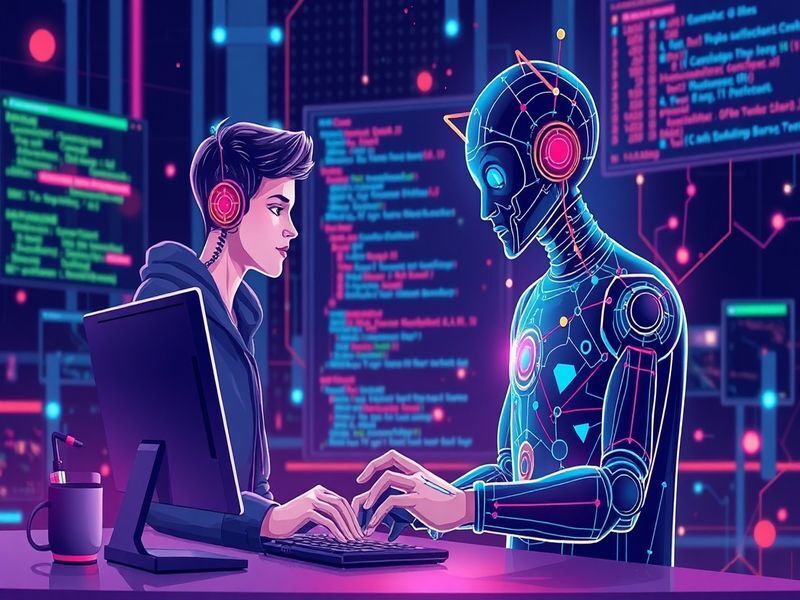
The ‘Wizard Theory’ suggests that AI can act as a wizard for developers, automating tasks that were traditionally manual and complex. This theory emphasizes the collaboration between human intuition and AI’s computational power. By integrating AI tools into the coding process, product thinkers are not just streamlining workflows but are also innovating the way software is conceptualized and built.
Practical Insights into AI-Driven Coding
As product thinkers adopt the ‘Wizard Theory,’ several practical insights emerge regarding AI’s role in coding:
- Code Generation: AI tools like GitHub Copilot and OpenAI Codex can generate code snippets based on natural language prompts. This enables developers to focus on higher-level design rather than getting bogged down in syntax.
- Error Detection: AI algorithms can analyze codebases to identify bugs and vulnerabilities faster than human developers, significantly reducing the debugging time.
- User Experience Enhancement: AI-driven analytics tools can provide insights into user behavior, allowing developers to create more intuitive interfaces and features.
Industry Implications
The integration of AI in software development is reshaping various industries, leading to profound implications:
- Increased Efficiency: AI-driven tools can automate repetitive tasks, allowing software engineers to allocate their time to more creative and strategic endeavors.
- Accessibility: Non-technical users can now engage in coding with AI-assisted platforms, democratizing software development and fostering innovation from diverse backgrounds.
- Collaboration: AI tools facilitate better communication between product teams and developers, ensuring that the final product aligns closely with user expectations.
Future Possibilities of AI in Software Engineering
The future looks promising as AI continues to evolve and shape software engineering practices. Here are some possibilities:
- Adaptive Learning: Future AI systems could learn from past projects and user feedback to improve their code generation capabilities continually.
- Personalized Development Environments: AI could customize coding environments based on a developer’s unique workflow and preferences, enhancing productivity.
- Ethical Coding: As AI takes a more prominent role in software development, ethical considerations will become increasingly important, leading to tools focused on ethical coding practices and compliance.
Conclusion
The ‘Wizard Theory’ of AI coding signifies a paradigm shift in how software is developed, merging human creativity with AI’s computational prowess. As product thinkers harness AI technologies, they not only streamline software engineering processes but also cultivate a more inclusive and innovative development landscape.
By embracing this approach, organizations can enhance efficiency, foster collaboration, and create products that genuinely resonate with users. As we look ahead, the continuous evolution of AI will undoubtedly shape the future of software engineering, making it an exciting field to watch for tech enthusiasts and professionals alike.