Transforming Literature into AI Skills: Innovative Approaches to Converting Books into Interactive AI Learning Tools
In the realm of education and knowledge dissemination, the integration of artificial intelligence (AI) with literature is emerging as a transformative phenomenon. As technology continues to evolve, the methods by which we engage with texts are becoming increasingly interactive and immersive. This article explores innovative approaches to converting traditional literature into dynamic AI learning tools, examining practical insights, industry implications, and future possibilities.
The Intersection of Literature and AI
Literature has long been a repository of human experience, culture, and knowledge. With the advent of AI, there is an opportunity to transcend the limitations of passive reading. AI can transform static texts into interactive learning experiences, allowing readers to engage more deeply with content.
Some of the ways AI is reshaping literature include:
- Personalized Learning: AI algorithms can analyze a reader’s preferences and learning pace, tailoring content to suit individual needs.
- Interactive Narratives: AI can facilitate branching storylines where readers make choices that affect the outcome, making literature a participatory experience.
- Enhanced Understanding: Tools like natural language processing (NLP) can provide instant definitions, context summaries, and character analyses to aid comprehension.
Practical Insights into AI-Driven Literary Tools
Transforming literature into interactive AI tools involves several practical steps:
- Content Digitization: The first step is digitizing existing literary works, which enables the use of AI technologies. Optical Character Recognition (OCR) can convert printed texts into machine-readable formats.
- Data Annotation: Annotating the text with metadata, such as themes, character arcs, and stylistic elements, allows AI systems to better understand and analyze the literature.
- AI Model Training: Utilizing machine learning, particularly NLP models, to train AI systems on the nuances of language, context, and emotion found in literature.
- Development of Interactive Platforms: Creating user-friendly interfaces where readers can interact with the AI, ask questions, and receive personalized feedback.
For example, platforms like ChatGPT can offer rich dialogues on classic novels, allowing readers to delve deeper into the text while engaging in meaningful conversations about the content.
Industry Implications
The implications of integrating AI into literature are vast, affecting various sectors:
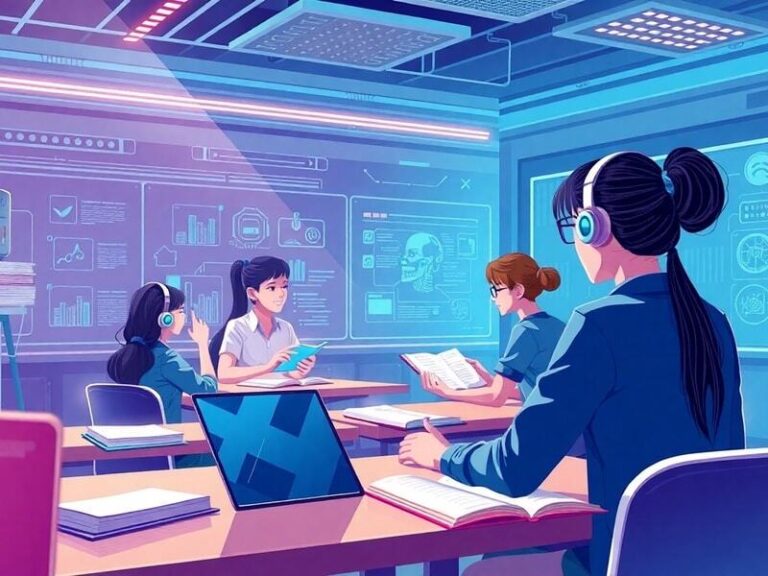
- Education: Schools and universities can adopt AI-driven literature tools to enhance curriculum engagement, offering students a more immersive and interactive learning experience.
- Publishing: Publishers can leverage AI to create enhanced e-books that include interactive features, appealing to a tech-savvy audience and potentially increasing sales.
- Entertainment: The gaming industry can incorporate narratives from literature into interactive games, providing players with rich storytelling experiences.
- Library Science: Libraries can use AI to facilitate advanced search capabilities, making it easier for patrons to find relevant literary works based on themes or motifs.
Future Possibilities
As AI technology continues to advance, the future of literature and learning promises exciting innovations:
- AI-Generated Content: AI may be able to create original stories that mimic the styles of famous authors, providing readers with new narratives inspired by classic literature.
- Virtual Reality (VR) Experiences: Combining literature with VR could allow readers to step into stories, experiencing them in a fully immersive environment.
- Collaborative Learning: AI could facilitate group learning experiences where multiple users interact with literature collaboratively, sharing insights and thoughts in real time.
- Cross-Cultural Exchanges: AI can translate literature from different languages, allowing readers to explore global narratives and cultures with ease.
In conclusion, the intersection of AI and literature holds great potential for the future of education, publishing, and entertainment. By transforming traditional texts into interactive learning tools, we can foster a deeper connection with literature and enhance the way we acquire knowledge. As technology continues to advance, embracing these innovations will be critical to creating a more engaging and enriching literary experience for all.