

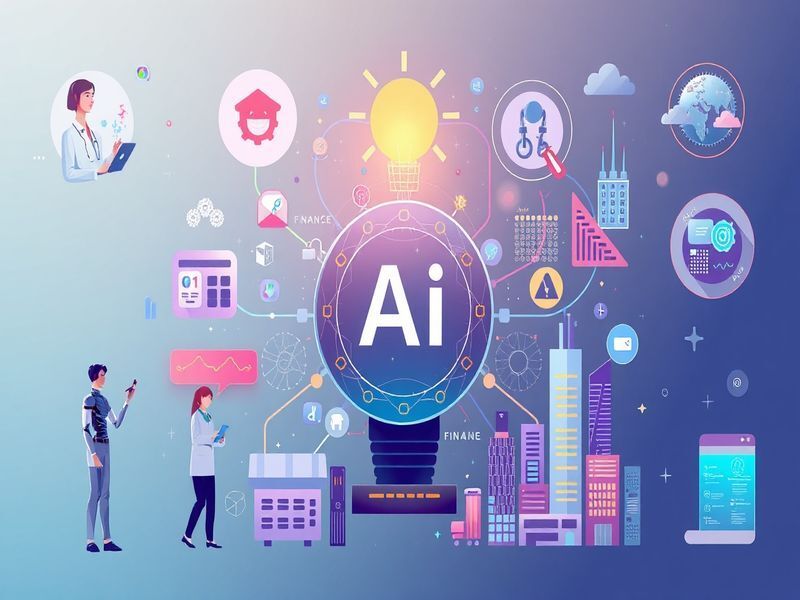
Understanding AI’s Tipping Point: What’s Next?
As we advance into a new era defined by technology, artificial intelligence (AI) stands at the forefront, poised to reshape our daily lives and various industries. We are witnessing a tipping point where AI is no longer just a futuristic concept; it is becoming a staple of our everyday existence. This article explores the critical factors that signal AI’s rapid integration, its implications across industries, and the exciting possibilities that lie ahead.
The Current Landscape of AI
AI technologies have evolved significantly in recent years. From machine learning algorithms that enhance our online experiences to natural language processing systems that enable human-like interactions, AI is becoming more sophisticated and widespread. Key developments include:
- Automation: Tasks ranging from data entry to complex decision-making are increasingly being handled by AI systems, improving efficiency and accuracy.
- Personalization: AI algorithms analyze user behavior to deliver tailored experiences in areas such as e-commerce, content recommendations, and customer service.
- Data Analysis: The ability of AI to sift through massive datasets allows organizations to derive insights that inform strategic decisions.
Critical Factors Driving AI’s Integration
Several factors are driving the rapid integration of AI into various sectors:
- Advancements in Technology: Continued improvements in computational power and storage capabilities are enabling more complex AI models.
- Accessibility of Data: The proliferation of data from IoT devices, social media, and other sources provides the raw material necessary for training AI models.
- Increased Investment: Venture capital and corporate funding in AI startups are at an all-time high, fueling innovation and research.
- Regulatory Support: Governments worldwide are developing frameworks to support ethical AI development, increasing trust among businesses and consumers.
Industry Implications
The implications of AI integration are profound, affecting various industries in unique ways:
- Healthcare: AI is revolutionizing patient care through predictive analytics, personalized treatment plans, and improved diagnostic accuracy.
- Finance: Automated trading algorithms and fraud detection systems are enhancing security and efficiency in financial transactions.
- Manufacturing: Smart factories leverage AI for predictive maintenance, quality control, and supply chain optimization.
- Retail: AI-driven inventory management and customer insights are transforming the retail landscape, enhancing the shopping experience.
Practical Insights for Businesses
For businesses looking to integrate AI into their operations, several practical insights can guide the process:
- Start Small: Begin with pilot projects that allow for experimentation and learning without overwhelming resources.
- Focus on Data Quality: The success of AI relies heavily on the quality of data. Invest in data management practices to ensure clean, relevant datasets.
- Cross-Functional Teams: Foster collaboration between IT, operations, and business units to ensure AI solutions align with overall business strategies.
- Continuous Learning: Encourage a culture of learning and adaptation, as AI technologies and best practices are constantly evolving.
Future Possibilities
The future of AI holds immense potential. As we look ahead, several possibilities are emerging:
- AI Ethics and Governance: Developing ethical guidelines and governance frameworks will be essential to address concerns around bias, privacy, and accountability.
- AI-Augmented Workforce: The workforce will increasingly collaborate with AI systems, enhancing productivity and creating new job roles centered around AI management.
- Smart Cities: AI will play a crucial role in developing smart cities, optimizing everything from traffic management to energy consumption.
- Healthcare Innovations: AI could lead to breakthroughs in drug discovery, genomics, and personalized medicine, ultimately improving health outcomes.
Conclusion
As we stand on the brink of AI’s tipping point, the integration of this transformative technology into everyday life and business is inevitable. By understanding the critical factors driving this change and the implications across various industries, we can better navigate the future landscape shaped by AI. The key lies in embracing these innovations responsibly, ensuring they benefit society as a whole.