
Unitree Robots: The New Face of Autonomous Performance
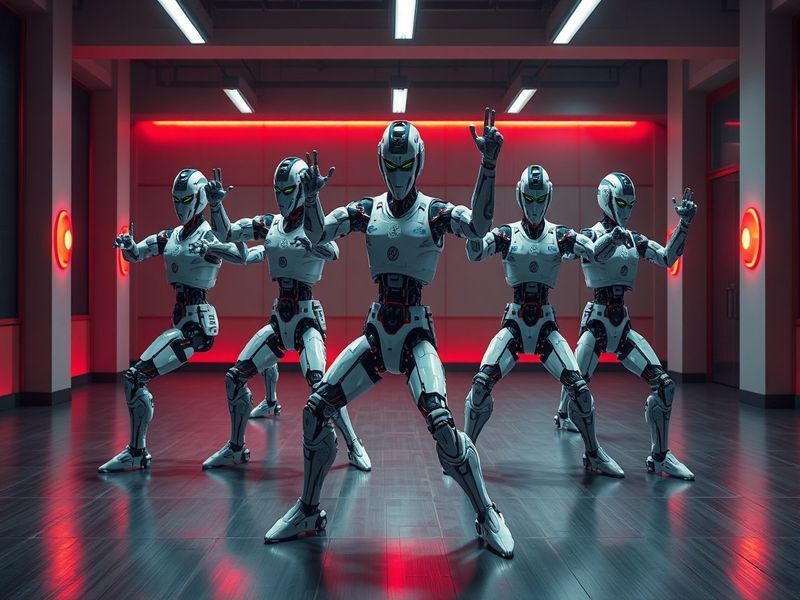
In an era where technology is advancing at an unprecedented rate, robotics is making significant strides, especially in the realm of artificial intelligence. One of the most compelling examples of this evolution is Unitree Robotics, a company that has gained attention for its innovative humanoid robots capable of executing synchronized kung fu routines autonomously. This article explores how these robots are revolutionizing performance, their implications for various industries, and the future possibilities that lie ahead.
The Rise of Unitree Robotics
Founded with a vision to create intelligent robots that can perform complex tasks, Unitree Robotics is becoming a leader in the field of robotics. Their humanoid robots are not just machines; they are equipped with advanced artificial intelligence and machine learning algorithms that allow them to learn and adapt to new environments and tasks. This capability is particularly evident in their ability to perform martial arts routines autonomously.
Autonomous Kung Fu: A Technological Marvel
The synchronized kung fu routines performed by Unitree’s robots are a feat of both engineering and AI. These routines involve intricate movements that require precision, timing, and coordination, which are traditionally associated with human performers. The technology behind this remarkable achievement includes:
- Advanced Motion Capture: Utilizing sophisticated sensors to analyze and replicate human movements with incredible accuracy.
- Machine Learning: Algorithms that allow robots to learn from their experiences, improving their performance over time.
- Real-Time Processing: The ability to process sensory data and make decisions on the fly, crucial for maintaining balance and coordination during performances.
As a result, these robots can perform complex martial arts routines that are visually stunning and technically impressive. The fusion of AI and robotics in this manner showcases the potential for autonomous systems to engage in creative and artistic endeavors.
Industry Implications
The implications of Unitree’s autonomous robots extend far beyond the realm of entertainment. Here are some potential applications across various industries:
- Entertainment: Beyond kung fu, these robots can be programmed for performances in theater, music, and more, opening new avenues for entertainment.
- Education: Robotics can serve as educational tools, teaching students about programming, robotics, and even martial arts through interactive experiences.
- Healthcare: Robots could assist in physical therapy by demonstrating exercises and guiding patients through rehabilitation routines.
- Security: Autonomous robots could be deployed in security roles, utilizing their agility and adaptability to navigate challenging environments.
Future Possibilities
As we look to the future, the potential for Unitree robots and similar technology is vast. Here are some possibilities:
- Increased Autonomy: Future iterations of these robots may possess enhanced decision-making capabilities, allowing them to perform tasks without human intervention.
- Collaboration with Humans: We may see robots working alongside humans in various settings, enhancing productivity and efficiency.
- Global Reach: As the technology matures, we can expect these robots to be deployed in diverse environments worldwide, adapting to different cultural contexts.
- Interdisciplinary Applications: The fusion of robotics with other fields, such as healthcare or education, could lead to groundbreaking innovations.
Conclusion
Unitree Robotics is at the forefront of a technological revolution that is reshaping our understanding of autonomous performance. By enabling humanoid robots to perform synchronized kung fu routines, they have not only showcased the capabilities of artificial intelligence and robotics but also opened up a dialogue about the future of machine-human interaction. As we continue to explore the boundaries of what robots can achieve, the potential applications are limited only by our imagination.