
Unlearning in the Age of AI: Why Experience May Be a Liability
In an era defined by rapid technological advancements, especially in artificial intelligence (AI), the concept of unlearning has emerged as a crucial skill for professionals and organizations alike. As industries evolve and new tools and methodologies take center stage, clinging to outdated mental models can hinder innovation and adaptability. This article explores the importance of unlearning, the implications for various industries, and practical insights into fostering a culture of adaptability.
The Necessity of Unlearning
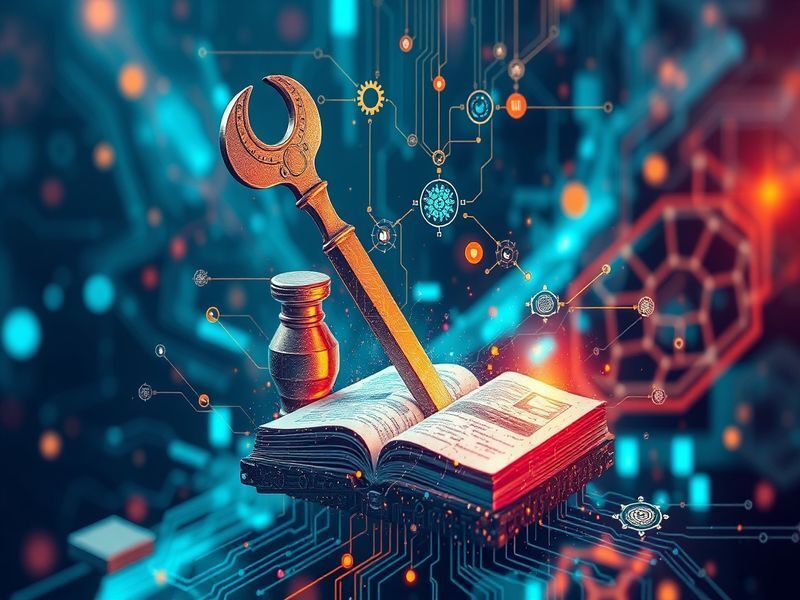
Unlearning is the process of discarding outdated knowledge, skills, and habits that no longer serve a purpose in the current environment. While experience is often seen as a valuable asset, it can also become a liability if it leads to resistance against change. In the age of AI, where algorithms evolve at lightning speed and new paradigms emerge regularly, rigid adherence to past experiences can stifle creativity and innovation.
Why Experience Can Be a Liability
Experience can provide a strong foundation, but it can also create blind spots. Here are some reasons why relying solely on experience might be detrimental:
- Outdated Practices: Many industries have standard operating procedures that were effective in the past but have become inefficient or irrelevant due to technological advancements.
- Cognitive Bias: Familiarity can lead to cognitive biases such as confirmation bias, where individuals favor information that confirms their existing beliefs, thus ignoring new and potentially disruptive ideas.
- Resistance to Change: Seasoned professionals may resist adopting new technologies or methodologies, believing their established practices are superior.
Adapting Mental Models
In order to thrive amidst rapid technological change, professionals must be willing to adapt their mental models. Here are a few strategies to facilitate this transition:
- Embrace Lifelong Learning: Continuously seek out new knowledge through courses, workshops, or webinars. Staying informed about industry trends and emerging technologies can keep your skills relevant.
- Encourage Collaboration: Foster a culture where team members share insights and challenge one another’s views. Diverse perspectives can lead to innovative solutions.
- Utilize AI Tools: Leverage AI-driven analytics tools to identify shifts in the market and emerging trends. These tools can provide insights that help you pivot your strategies effectively.
- Practice Mindfulness: Being aware of your own biases and thought processes can help in recognizing when it’s time to let go of outdated beliefs.
Industry Implications
The need for unlearning and adaptation is particularly pronounced in specific industries:
- Healthcare: AI is transforming diagnostics and patient care. Professionals must unlearn traditional practices in favor of data-driven approaches.
- Finance: With the rise of fintech and algorithmic trading, finance professionals need to adapt to new technologies or risk becoming obsolete.
- Manufacturing: The shift towards smart manufacturing requires workers to embrace automation and AI without being hindered by outdated production methods.
Future Possibilities
The future of work will likely demand even more unlearning as we integrate AI into everyday tasks. Some possibilities include:
- Increased Automation: As AI systems take over repetitive tasks, human roles will shift towards more strategic and creative functions, necessitating a new set of skills.
- Enhanced Human-AI Collaboration: Professionals will need to learn how to work alongside AI systems, maximizing their strengths while compensating for their limitations.
- Dynamic Skill Requirements: The skills needed today may not be relevant tomorrow. Continuous unlearning and relearning will become essential for career longevity.
In conclusion, the age of AI demands a proactive approach to unlearning. By discarding outdated mental models and adopting new ways of thinking, professionals can not only survive but thrive in an era characterized by constant change. Embracing this mindset will not only enhance individual careers but also foster innovation across industries.