
Waymo and DeepMind’s Simulator: Training Robotaxis Against Natural Disasters
The race towards fully autonomous vehicles has gained unprecedented momentum, especially with key players like Waymo and DeepMind leading the charge. These companies are not just developing autonomous driving technologies; they are also pioneering innovative solutions to prepare their systems for extreme scenarios, such as natural disasters. Through hyper-realistic simulations, they are training robotaxis to navigate and operate effectively in conditions that would challenge even the most skilled human drivers.
The Necessity of Realistic Simulations
As autonomous vehicles (AVs) inch closer to mainstream adoption, the need for rigorous testing has never been more critical. Natural disasters present a unique set of challenges, including:
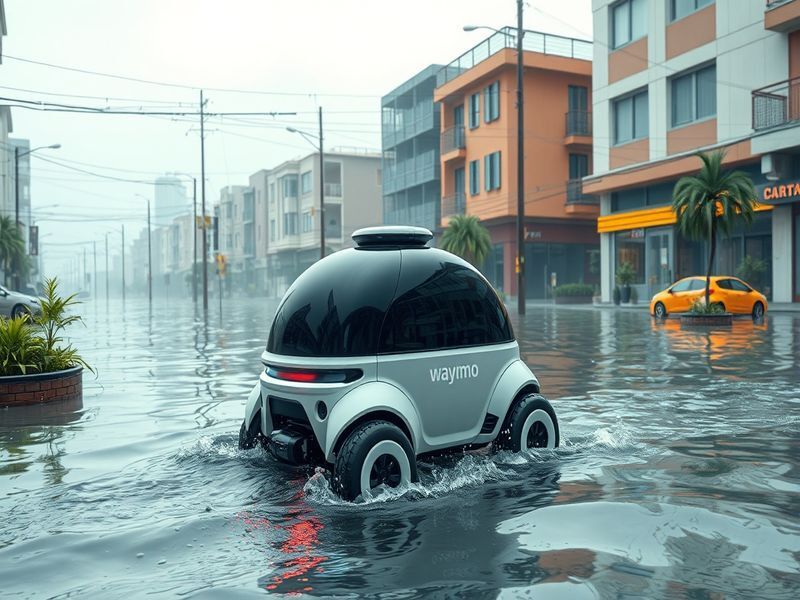
- Flooding: Roads submerged under water can obscure lanes and create hazardous driving conditions.
- Wildfires: Smoke and flames can dramatically reduce visibility and alter traffic patterns.
- Earthquakes: Sudden disruptions to road integrity can create obstacles that AVs must navigate.
- Severe Weather: Heavy rain, snow, and wind can affect vehicle stability and sensor functionality.
To tackle these issues, Waymo and DeepMind have developed sophisticated simulators capable of recreating these extreme edge cases with high fidelity. This approach allows for extensive testing without the risks associated with real-world trials.
Hyper-Realistic Simulations: A Technological Marvel
At the heart of this initiative is the hyper-realistic simulation environment designed by DeepMind. This advanced platform leverages cutting-edge AI and machine learning techniques to create scenarios that mimic real-world complexities. Key features include:
- Dynamic Weather Patterns: Simulating various weather conditions such as heavy rain, fog, and snow to evaluate how robotaxis adjust their driving behavior.
- Environmental Changes: Introducing sudden obstacles like fallen trees or flooded roads to test the vehicle’s decision-making capabilities.
- Real-Time Learning: Utilizing reinforcement learning to allow the robotaxis to adapt to new scenarios quickly, improving their performance over time.
This level of realism in simulations not only helps in validating the vehicle’s algorithms but also allows engineers to identify potential failure points that may not be apparent during traditional testing methods.
Practical Insights from the Simulation
The insights gained from these simulations are invaluable for the future of autonomous driving. Here are some practical takeaways:
- Enhanced Safety Protocols: By exposing robotaxis to extreme situations, developers can create robust safety protocols that prioritize passenger protection.
- Improved Decision-Making Algorithms: The data collected during simulations can inform and refine the AI algorithms that govern vehicle behavior in real-world scenarios.
- Faster Deployment: With thorough testing in a simulated environment, companies can expedite the deployment of autonomous vehicles, reducing the time it takes for them to navigate unpredictable conditions.
Industry Implications
The collaboration between Waymo and DeepMind represents a significant leap forward in the autonomous vehicle sector. The implications for the industry are profound:
- Setting New Standards: As these technologies mature, they can set new benchmarks for safety and reliability in the autonomous vehicle market.
- Encouraging Regulatory Support: With robust simulation data, companies may find it easier to gain regulatory approval for deploying AVs in diverse environments.
- Inspiring Competition: Other companies in the space may be encouraged to invest in similar technologies, accelerating innovation across the board.
Future Possibilities
The future of autonomous driving is undoubtedly exciting, particularly with the advancements in simulation technologies. Looking ahead, we can anticipate:
- Global Adaptation: AVs equipped with advanced simulation training could adapt to various environmental conditions across different regions, enhancing their utility worldwide.
- Integration with Smart Cities: As urban areas evolve into smart cities, autonomous vehicles could communicate with infrastructure to navigate efficiently during emergencies.
- Broader Applications: Beyond passenger transport, the technology could be adapted for use in emergency services, logistics, and disaster response efforts.
As Waymo and DeepMind push the boundaries of what is possible with hyper-realistic simulations, the dream of safe, reliable, and fully autonomous vehicles inch closer to reality. The intersection of AI, machine learning, and innovative simulation technologies is not just a technical achievement; it’s a step towards a future where autonomous vehicles can navigate the complexities of human environments, even in the face of nature’s unpredictability.