

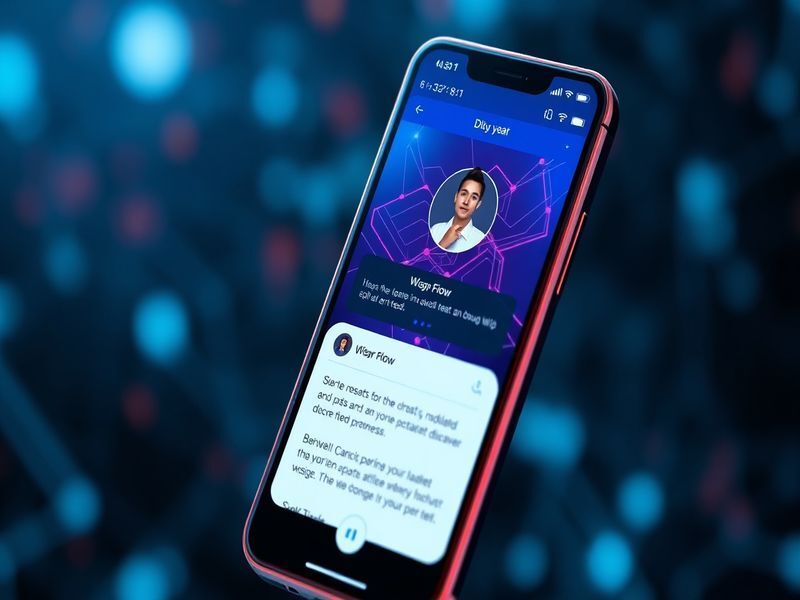
Wispr Flow Launches on Android: A New Era of Voice-to-Text
In today’s fast-paced digital landscape, the demand for efficient communication tools has never been higher. Enter Wispr Flow, a groundbreaking application that allows users to seamlessly convert spoken words into polished text. With its recent launch on Android, Wispr Flow is set to revolutionize how professionals and casual users alike engage with their devices, enabling a new era of voice-to-text technology.
What is Wispr Flow?
Wispr Flow leverages cutting-edge artificial intelligence (AI) and machine learning (ML) techniques to transform verbal communication into written text. Designed for ease of use, it integrates smoothly with various applications, enhancing productivity for users in multiple domains. Whether you’re drafting emails, taking notes during meetings, or creating content, Wispr Flow simplifies the process of capturing thoughts in real-time.
Key Features of Wispr Flow
- Real-time transcription: Wispr Flow captures speech and converts it to text instantaneously, ensuring that users can keep pace with their thoughts.
- Cross-application functionality: The app works seamlessly across various platforms, including email clients, messaging apps, and productivity software.
- AI-driven accuracy: Advanced algorithms improve transcription accuracy over time, adapting to individual speech patterns and vocabulary.
- Intuitive interface: Users can easily navigate the app’s user-friendly design, making it accessible for all skill levels.
Practical Insights: How Wispr Flow Enhances Productivity
In the modern workplace, time is of the essence. Wispr Flow provides several benefits that directly enhance productivity:
- Enhanced multitasking: Users can dictate notes while performing other tasks, significantly reducing the time spent on manual typing.
- Increased focus: By eliminating the need to type, Wispr Flow allows users to concentrate on their ideas rather than the mechanics of writing.
- Accessibility: For individuals with disabilities or those who find typing challenging, voice-to-text technology offers a powerful alternative.
Industry Implications of Voice-to-Text Technology
The implications of Wispr Flow’s launch extend beyond individual users; they ripple across various industries:
- Education: Teachers and students can utilize voice-to-text for lectures and assignments, enhancing learning experiences and streamlining workflows.
- Healthcare: Medical professionals can document patient interactions quickly and accurately, allowing for more time spent with patients rather than paperwork.
- Content Creation: Writers and marketers can generate draft content rapidly by speaking their ideas, accelerating the creative process.
Future Possibilities: What Lies Ahead for Wispr Flow?
As voice-to-text technology continues to evolve, Wispr Flow stands at the forefront of innovation. Here are some future possibilities to consider:
- Integration with Smart Devices: Future iterations of Wispr Flow could integrate with smart home devices, allowing users to control their environments through voice commands.
- Language Support: Expanding language capabilities could open doors for global users, making Wispr Flow a versatile tool for international communication.
- Emotion Recognition: By analyzing vocal tone and pitch, future updates could allow Wispr Flow to adjust text tone accordingly, enhancing communication nuances.
Conclusion
The launch of Wispr Flow on Android marks a significant advancement in voice-to-text technology, showcasing the potential of AI and machine learning to transform our communication methods. As users embrace this innovative tool, the possibilities for enhancing productivity, accessibility, and cross-industry applications are boundless. Wispr Flow not only streamlines the process of capturing thoughts but also paves the way for a more connected and efficient future.