
Wispr Flow: Revolutionizing Prompt Input for AI Tools
In the rapidly evolving world of artificial intelligence (AI), the ways we interact with technology are changing. One of the most exciting advancements in this field is Wispr Flow, a platform that allows users to engage with AI tools using natural speech. This innovation is not just a mere enhancement in user experience; it is a significant leap towards increasing productivity and making AI more accessible to everyone. In this article, we will explore the benefits of using natural speech for AI prompt input, its implications for various industries, and its future possibilities.
Understanding Wispr Flow
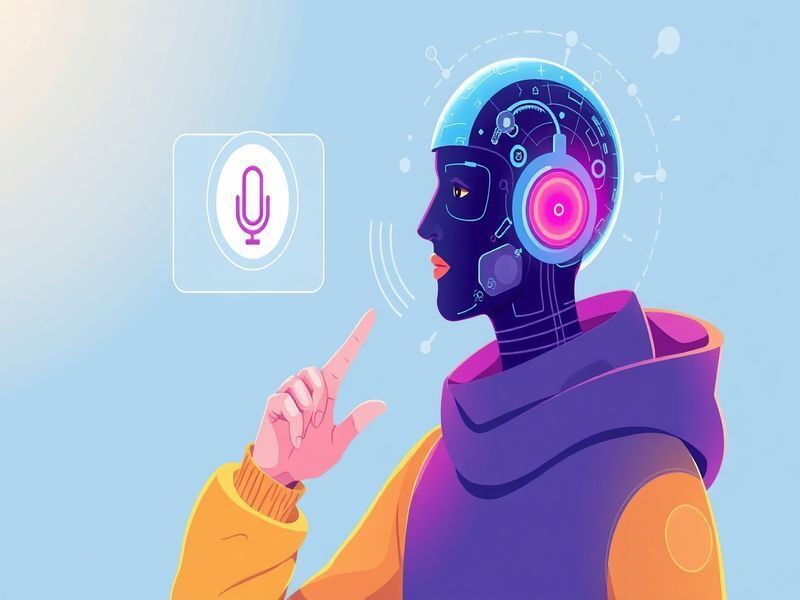
Wispr Flow leverages advanced natural language processing (NLP) and machine learning technologies to interpret and respond to spoken input. Unlike traditional text-based prompt systems, which often require users to formulate their queries in a specific manner, Wispr Flow allows for a more conversational approach. This can be particularly beneficial in several contexts:
- Accessibility: Users with disabilities or those who are less familiar with text input can interact with AI more effectively.
- Efficiency: Speaking is often faster than typing, allowing users to convey their thoughts more swiftly.
- Natural Interaction: Mimics human conversation, making interactions feel more intuitive.
Benefits of Using Natural Speech in AI Tools
Utilizing natural speech in AI tools, especially through platforms like Wispr Flow, offers numerous advantages:
- Enhanced Productivity: Users can focus on their tasks without the interruption of switching between typing and thinking. This seamless interaction can lead to a more fluid workflow.
- Improved User Experience: The natural conversation style reduces the learning curve associated with using AI tools, making technology more approachable for non-technical users.
- Contextual Understanding: Wispr Flow can capture the nuances of speech, including tone and context, leading to more accurate responses from AI systems.
- Real-time Feedback: Users can speak their thoughts and receive immediate feedback or results, promoting a more dynamic interaction.
Industry Implications
The implications of Wispr Flow and similar technologies extend across various sectors:
- Education: Educators can utilize natural speech inputs to engage students, allowing for personalized learning experiences.
- Healthcare: Medical professionals can use voice commands to retrieve patient information or update records without needing to type, thus enhancing efficiency and reducing errors.
- Customer Service: Companies can implement AI-driven chatbots that understand natural speech, providing customers with a more human-like interaction.
- Creative Fields: Writers and content creators can brainstorm ideas verbally, allowing for a free flow of creativity without the barriers of typing.
Future Possibilities
The future of AI tools like Wispr Flow holds exciting possibilities:
- Integration with IoT: As smart devices become more prevalent, natural speech input could enable users to control multiple devices through simple voice commands.
- Multilingual Support: Future iterations might support multiple languages and dialects, making global communication and collaboration easier.
- Advanced Personalization: AI could learn individual users’ speech patterns and preferences, tailoring responses and interactions to enhance user satisfaction.
- Collaborative Workspaces: In team settings, Wispr Flow could facilitate discussions, allowing members to interact with AI simultaneously through speech.
Conclusion
Wispr Flow represents a significant shift in how we interact with AI tools, promoting productivity and enhancing user experience through natural speech input. As this technology continues to evolve, its potential to transform various industries and everyday tasks is immense. Embracing these innovations will not only make AI more accessible but also pave the way for more intuitive and efficient interactions in our increasingly digital world.