
Wispr Flow: Voice-to-Text Technology Now Available on Android
In an age where productivity tools are continually evolving, voice-to-text technology is transforming how professionals and everyday users interact with their devices. The recent introduction of Wispr Flow on Android marks a significant leap forward in this domain, enabling seamless dictation across various applications. This innovation not only enhances user experience but also opens new avenues for productivity.
What is Wispr Flow?
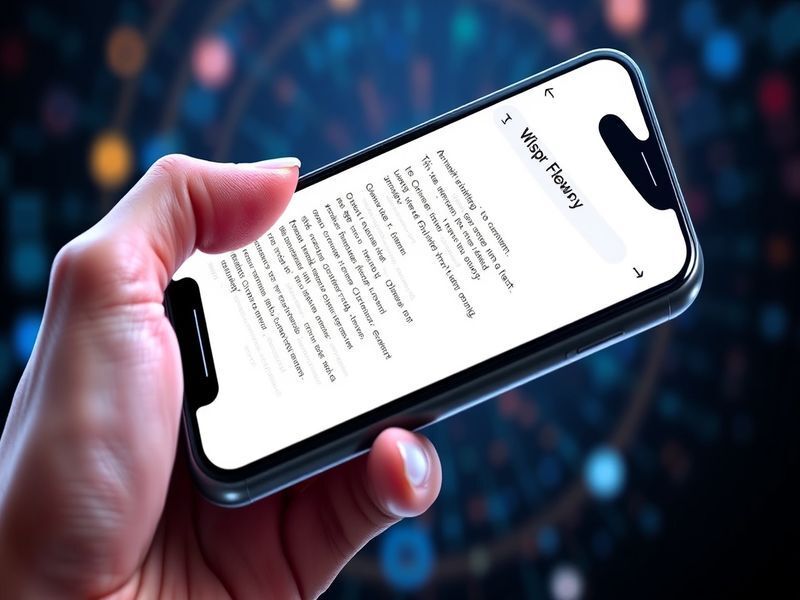
Wispr Flow is an advanced voice-to-text application that leverages cutting-edge artificial intelligence to convert spoken language into written text. With its intuitive design and powerful features, it allows users to dictate emails, notes, and messages rapidly and accurately. This tool is particularly beneficial for those who find typing cumbersome or time-consuming, offering an efficient alternative that integrates smoothly into daily workflows.
Key Features of Wispr Flow
Wispr Flow comes packed with features that enhance its usability and functionality:
- Real-time Transcription: The application provides instant feedback, allowing users to see their words appear on the screen as they speak.
- Multi-Language Support: Users can dictate in various languages, making it accessible to a global audience.
- Contextual Awareness: Wispr Flow utilizes machine learning algorithms to improve accuracy based on the user’s speech patterns and context.
- Integration with Applications: The tool can seamlessly integrate with popular apps like Google Docs, email clients, and messaging platforms, enhancing productivity across the board.
- Voice Commands: Users can also navigate their devices using simple voice commands, streamlining tasks and minimizing distractions.
Enhancing Productivity Across Applications
The introduction of Wispr Flow on Android significantly impacts productivity in various sectors:
- Business Professionals: Executives and employees can dictate reports and meeting notes without the need for extensive typing, allowing them to focus on key tasks.
- Content Creators: Writers and bloggers can quickly draft articles or scripts, harnessing their verbal fluency to translate thoughts into written content.
- Students: Learners can take notes during lectures or study sessions, ensuring they capture important information without the distraction of typing.
- Accessibility: Wispr Flow is a game-changer for users with disabilities, making technology more accessible and inclusive.
Practical Insights for Users
For users looking to maximize their experience with Wispr Flow, consider the following tips:
- Practice Regularly: The more you use the application, the better it becomes at understanding your speech patterns, leading to improved accuracy.
- Utilize Voice Commands: Familiarize yourself with the voice commands available within the app to streamline your navigation and editing processes.
- Choose a Quiet Environment: For optimal performance, dictate in a quiet space to reduce background noise interference.
- Review and Edit: Always review the transcribed text for any errors or misinterpretations, as no technology is foolproof.
Industry Implications
The impact of Wispr Flow extends beyond individual productivity; it has broader implications for industries reliant on documentation and communication. Businesses can see:
- Increased Efficiency: By automating the transcription process, companies can reduce the time spent on documentation, allowing employees to focus on strategic tasks.
- Cost Savings: Reducing the need for typing can save time and resources, making operations more cost-effective.
- Enhanced Collaboration: Teams can collaborate more effectively by sharing dictated notes and ideas in real-time.
Future Possibilities
As voice recognition technology continues to evolve, the future of applications like Wispr Flow is promising. Here are some potential advancements:
- Improved AI Models: Ongoing research in machine learning could lead to even more accurate and context-aware transcription capabilities.
- Integration with Smart Devices: As IoT devices become more prevalent, Wispr Flow could integrate with smart assistants and home automation systems, providing a seamless user experience.
- Personalized User Experience: Enhanced machine learning algorithms could allow the application to adapt to individual user preferences over time, making it even more intuitive.
Conclusion
Wispr Flow represents a significant advancement in voice-to-text technology, offering users an efficient and effective way to enhance their productivity. As artificial intelligence continues to drive innovation in this field, tools like Wispr Flow will likely become essential components of our daily routines, reshaping how we interact with technology and each other.