YouTube’s New Deepfake Detection Tool: A Game Changer for Content Creators
As the digital landscape evolves, so do the threats posed by advanced technologies like deepfakes. YouTube, a platform synonymous with video content, has recently introduced a revolutionary deepfake detection tool that allows creators to upload their likenesses. This innovative feature aims to protect against unauthorized replicas that could tarnish reputations or mislead audiences. In this article, we delve into the technical aspects, industry implications, and future possibilities of YouTube’s deepfake detection tool.
Understanding Deepfakes
Deepfakes are synthetic media in which a person’s likeness is digitally manipulated to create realistic yet fake content. While they can be used for entertainment, they also pose significant risks, including:
- Identity Theft: Unauthorized use of a person’s image can lead to significant personal and professional harm.
- Disinformation: Deepfakes can be weaponized to spread false narratives and manipulate public opinion.
- Legal Implications: The use of someone’s likeness without permission can lead to complex legal battles.
YouTube’s Response: The New Detection Tool
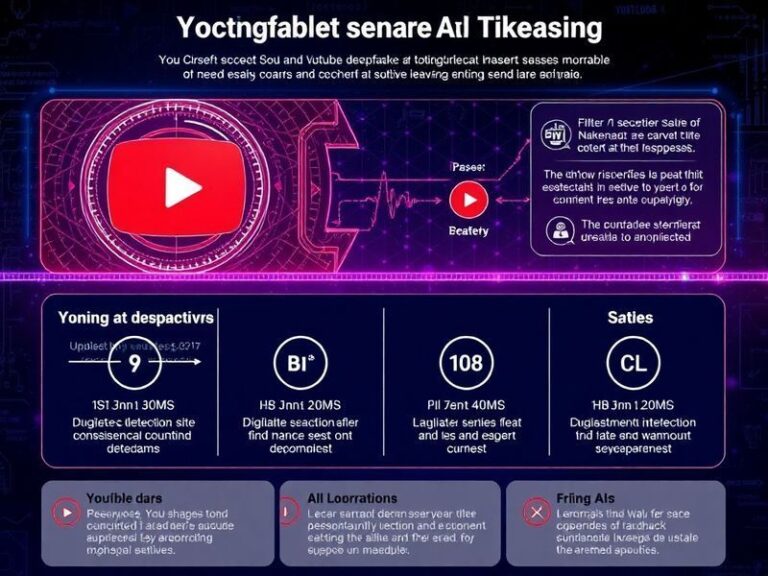
In response to these threats, YouTube’s new deepfake detection tool allows creators to take control of their own digital likeness. Here’s how it works:
- Upload Likeness: Creators can upload a series of images of themselves, which the tool uses to create a digital reference.
- Monitoring: The system continuously scans the platform for any unauthorized use of the uploaded likeness.
- Alert System: If a potential deepfake is detected, creators receive notifications, allowing them to take appropriate action.
This tool leverages advanced machine learning algorithms, which analyze video content for anomalies that suggest manipulation. By understanding the unique characteristics of a creator’s likeness, the tool can distinguish genuine content from deepfakes more accurately than previous technologies.
Practical Insights for Creators
For content creators, this tool offers several practical benefits:
- Enhanced Control: Creators can safeguard their identity and maintain their brand integrity.
- Increased Trust: With the ability to identify unauthorized content, creators can foster a more trustworthy environment for their audience.
- Proactive Measures: The alert system allows creators to act quickly against potential threats.
Moreover, this technology can serve as a deterrent for malicious actors who may think twice before attempting to create and distribute deepfake content, knowing that the tools for detection are readily available.
Industry Implications
The introduction of this tool could have far-reaching implications across various industries:
- Entertainment: Filmmakers and actors can protect their likenesses from unauthorized use in fan edits or parodies.
- Politics: Politicians can safeguard their images against malicious deepfake videos that could distort their messages.
- Corporate Branding: Businesses can prevent the misuse of their logos and spokespersons, maintaining brand integrity in a competitive market.
As deepfake technology continues to evolve, industries will need to adopt similar protective measures to ensure that the integrity of their content and identities remains intact.
Future Possibilities
The launch of YouTube’s deepfake detection tool is just the beginning. Several future possibilities could arise from this innovation:
- Integration with Other Platforms: As other social media platforms follow suit, a standard for digital identity protection could emerge.
- Advancements in AI: Continued research may lead to even more sophisticated detection algorithms, further enhancing accuracy.
- Legal Frameworks: New laws may be established to protect individuals and creators from deepfake misuse, fostering a safer digital environment.
As technology advances, the ongoing dialogue about ethics and responsible usage will become increasingly important. The balance between creativity and security must be maintained to ensure that innovations serve the greater good.
Conclusion
YouTube’s new deepfake detection tool is a timely and essential innovation in the fight against synthetic media. By empowering creators to upload their likenesses and protect their identities, the platform not only enhances user security but also sets a precedent for other platforms to follow. As we navigate the complexities of digital identity in an AI-driven world, tools like these will play a crucial role in safeguarding against the misuse of technology.