# The Rise of AI-Powered Smart Tools: Examining the xDrill and Other AI-Enhanced Devices
## Introduction
The integration of artificial intelligence (AI) into everyday tools is revolutionizing industries and enhancing productivity. Among the latest innovations, the **xDrill** stands out as a testament to the power of AI-enhanced devices. This article explores the rise of AI-powered smart tools, focusing on the xDrill and other groundbreaking technologies, their practical applications, industry implications, and future possibilities.
## The xDrill: A Paradigm Shift in Smart Tools
### What is the xDrill?
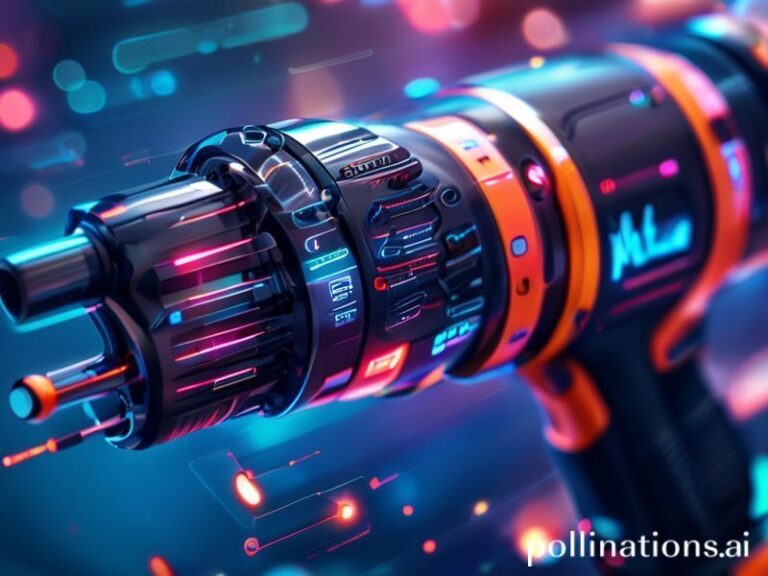
The xDrill is an AI-powered smart drill designed to revolutionize the construction and DIY sectors. Equipped with advanced sensors, machine learning algorithms, and real-time data processing, the xDrill can:
- Automatically adjust drilling speed and pressure based on the material being drilled
- Provide real-time feedback to the user via a connected app
- Detect potential hazards and suggest corrective actions
- Learn from user preferences and adapt to individual working styles
### Practical Applications
The xDrill’s capabilities extend beyond mere convenience. For professionals and hobbyists alike, the xDrill offers:
- Precision and Efficiency: By optimizing drilling parameters, the xDrill reduces the risk of material damage and increases workflow efficiency.
- Safety Enhancements: Real-time hazard detection and alerts help prevent accidents, making the workplace safer.
- Customization: The ability to learn and adapt to user preferences ensures a personalized experience, enhancing user satisfaction and productivity.
## Other AI-Enhanced Smart Tools
The xDrill is just one example of the growing trend of AI-powered smart tools. Other notable innovations include:
### AI-Powered Smart Glasses
- Augmented Reality (AR) Guidance: Smart glasses like the Microsoft HoloLens provide AR overlays that guide users through complex tasks, from assembly line work to medical procedures.
- Real-Time Translation: Devices like Google Glass offer real-time language translation, breaking down communication barriers in global workplaces.
### Smart Home Assistants
- Voice-Activated Controls: Tools like Amazon’s Alexa and Google Home use AI to control smart home devices, manage schedules, and provide information on demand.
- Predictive Maintenance: AI algorithms can predict when household appliances are likely to fail, allowing for preemptive maintenance and reducing downtime.
### Industrial Robotics
- Automated Manufacturing: AI-driven robots like those from Boston Dynamics and KUKA perform repetitive tasks with high precision, increasing production efficiency.
- Quality Control: Computer vision systems powered by AI inspect products for defects, ensuring consistent quality and reducing waste.
## Industry Implications
The adoption of AI-powered smart tools is transforming various industries, including:
### Construction and Manufacturing
- Increased Productivity: AI tools like the xDrill and industrial robots streamline workflows, reducing project timelines and costs.
- Enhanced Safety: Real-time hazard detection and predictive maintenance minimize workplace accidents and equipment failures.
### Healthcare
- Precision Medicine: AI-powered diagnostic tools and robotic surgical assistants improve the accuracy and effectiveness of medical procedures.
- Remote Monitoring: Smart devices enable continuous patient monitoring, allowing for early intervention and better patient outcomes.
### Retail and Customer Service
- Personalized Shopping: AI-driven recommendation systems and chatbots enhance the customer experience by providing tailored product suggestions and instant support.
- Inventory Management: AI algorithms optimize inventory levels, reducing stockouts and overstock situations.
## Future Possibilities
The future of AI-powered smart tools is brimming with potential. Emerging technologies and advancements in AI are paving the way for even more innovative solutions:
### Advanced Machine Learning
- Continuous Learning: Tools that can continuously learn and adapt to new environments and user behaviors will become more prevalent, offering unparalleled customization and efficiency.
### Integration with IoT
- Connected Ecosystems: The integration of AI-powered tools with the Internet of Things (IoT) will create seamless, interconnected systems that enhance functionality and user experience.
### Ethical Considerations
- Data Privacy: As AI tools collect and analyze vast amounts of data, ensuring data privacy and security will be paramount.
- Bias and Fairness: Addressing biases in AI algorithms will be crucial to ensuring fair and equitable outcomes across different user groups.
## Conclusion
The rise of AI-powered smart tools like the xDrill represents a significant leap forward in technology and innovation. These tools are not only enhancing productivity and safety but also opening up new possibilities for industries and consumers alike. As AI continues to evolve, the potential for even more advanced and integrated smart tools is limitless. Embracing these technologies responsibly will be key to unlocking their full potential and shaping a smarter, safer, and more efficient future.