# OpenAI Retires GPT-4o: What This Means for AI Development
## The End of an Era: OpenAI Phases Out GPT-4o
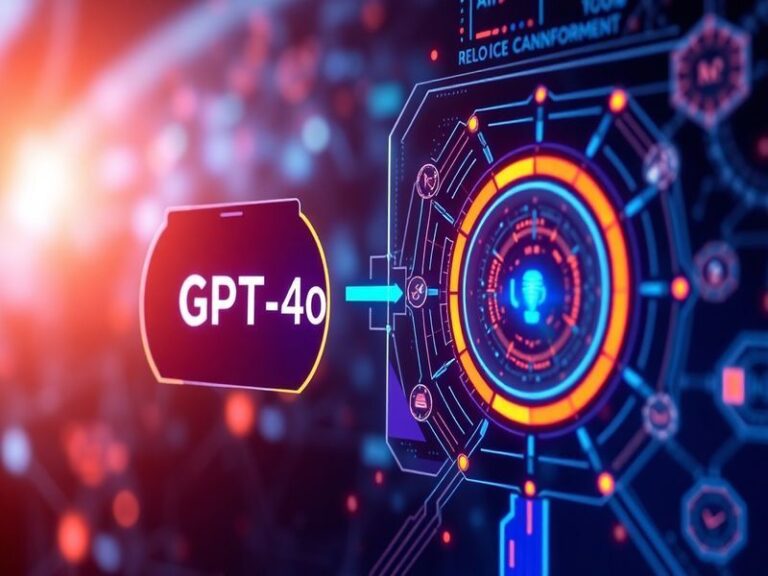
OpenAI’s recent decision to retire GPT-4o, along with other older models, marks a significant milestone in the evolution of artificial intelligence. This move reflects the rapid advancements in AI technology and the continuous pursuit of more efficient, powerful, and sophisticated models. For tech enthusiasts and professionals, this development raises several questions: What does this mean for the future of AI? How will it impact the industry? And what can we expect from the next generation of AI models?
## Understanding the Implications
###
Why Retire GPT-4o?
OpenAI’s decision to phase out GPT-4o is driven by several factors:
- Technological Advancements: Newer models like GPT-5 offer significant improvements in performance, efficiency, and capabilities. Retiring older models allows OpenAI to focus resources on developing and maintaining cutting-edge technology.
- Resource Optimization: Maintaining multiple models requires substantial computational resources and expertise. By retiring older models, OpenAI can streamline its operations and allocate resources more effectively.
- Security and Compliance: Older models may not meet the latest security standards and compliance requirements. Retiring them ensures that users benefit from the most secure and up-to-date technology.
###
Industry Implications
The retirement of GPT-4o has several implications for the AI industry:
- Accelerated Innovation: The move signals a shift towards more advanced AI models, encouraging other companies to invest in research and development to stay competitive.
- Market Consolidation: As older models are phased out, the market may see a consolidation of AI technologies, with a focus on the most powerful and efficient solutions.
- Impact on Developers: Developers and businesses relying on GPT-4o will need to transition to newer models, which may require updates to their applications and systems.
## Practical Insights and Future Possibilities
###
Transitioning to Newer Models
For developers and businesses using GPT-4o, the transition to newer models presents both challenges and opportunities:
- Assessment and Planning: Evaluate the current use of GPT-4o and plan for the transition to newer models. This includes assessing compatibility, performance requirements, and potential improvements.
- Training and Education: Stay updated with the latest developments in AI models. OpenAI and other organizations often provide resources, documentation, and training to help developers make the transition smoothly.
- Leveraging New Features: Newer models offer advanced capabilities such as improved natural language understanding, better context retention, and enhanced multitasking. Explore these features to enhance applications and services.
###
Future of AI Development
The retirement of GPT-4o is a reminder of the rapid pace of AI development. Looking ahead, several trends and possibilities emerge:
- More Powerful Models: Future AI models are likely to be more powerful, with improved performance, efficiency, and capabilities. This includes advancements in natural language processing, computer vision, and other AI applications.
- Ethical and Responsible AI: As AI models become more sophisticated, there is a growing emphasis on ethical considerations, fairness, and transparency. OpenAI and other organizations are likely to prioritize these aspects in their development.
- Collaboration and Open Source: The AI community is increasingly collaborative, with open-source projects and partnerships driving innovation. This trend is expected to continue, fostering a more inclusive and diverse AI ecosystem.
## Conclusion
OpenAI’s decision to retire GPT-4o is a testament to the rapid advancements in AI technology. While it marks the end of an era, it also paves the way for more powerful, efficient, and sophisticated AI models. For developers, businesses, and tech enthusiasts, this development presents opportunities to explore new capabilities, enhance applications, and contribute to the future of AI.
As we move forward, the focus will be on leveraging the latest advancements, ensuring ethical and responsible AI development, and fostering collaboration within the AI community. The retirement of GPT-4o is not just a farewell to an older model but a step towards a more innovative and exciting future in AI.