Emotional AI: Casio’s Moflin and the Future of Companion Robots
In recent years, advancements in artificial intelligence (AI) have propelled the development of robots that can understand and respond to human emotions. One of the most intriguing innovations in this space is Casio’s Moflin, a companion robot designed to adapt to its owner’s emotional state. This article delves into how Casio’s emotional AI works, the implications for the industry, and the future of companion robots.
Understanding Emotional AI
Emotional AI, or affective computing, refers to the development of systems and devices that can recognize, interpret, and respond to human emotions. This technology relies on multiple disciplines, including psychology, machine learning, and social robotics. The goal is to create machines that can interact with humans in a more natural and empathetic manner.
Casio’s Moflin represents a significant step forward in this area. Utilizing advanced algorithms, Moflin analyzes facial expressions, voice tones, and even physiological signals to gauge the emotional state of its user. This allows for a more personalized interaction, making the experience of companionship more meaningful.
How Moflin Works
Moflin employs a combination of sensors and AI technologies to create an interactive experience. Here’s how it operates:
- Emotion Detection: Moflin uses cameras and microphones to capture data about the user’s emotional state.
- Adaptive Responses: Based on the detected emotions, Moflin tailors its responses—be it through vocal tones, movements, or behaviors.
- Learning Capability: The robot learns from interactions, gradually improving its ability to respond to its owner’s specific emotional needs.
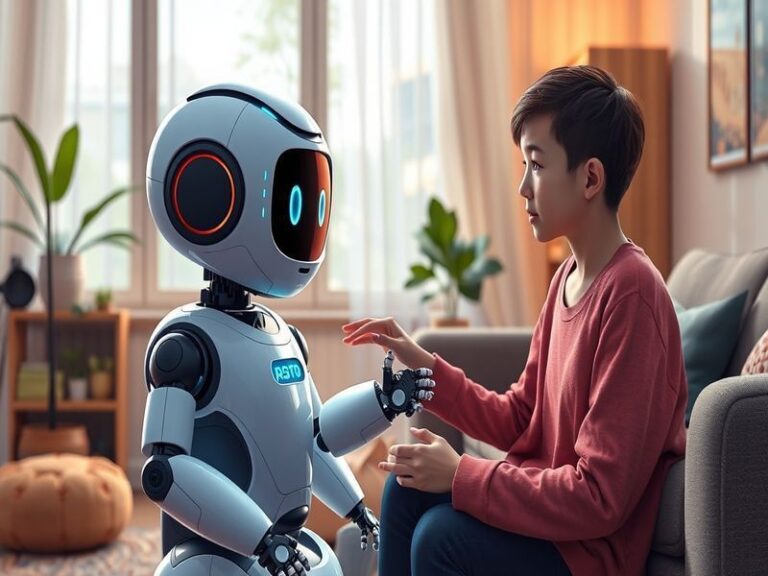
This combination of features positions Moflin as not just a gadget, but a genuine companion that can evolve alongside its user. It’s an example of how emotional AI can transform the dynamics of human-robot interaction.
Industry Implications
The emergence of emotional AI technologies, exemplified by Moflin, carries significant implications for various industries:
- Healthcare: Companion robots like Moflin can provide emotional support to patients, particularly the elderly or those suffering from mental health issues.
- Education: Emotional AI can enhance learning through personalized feedback and support for students, adapting to different learning styles and emotional needs.
- Customer Service: Companies can deploy emotionally intelligent bots to improve customer interactions, leading to higher satisfaction rates.
As industries increasingly recognize the value of emotional AI, we may see a growing demand for robots like Moflin in both professional and personal settings.
Future Possibilities
The future of companion robots is bright, especially with ongoing advancements in emotional AI. Here are some potential developments:
- Enhanced Emotional Understanding: Future models may develop the ability to understand complex emotional cues, leading to even more nuanced interactions.
- Integration with Other Technologies: Companion robots could integrate with smart home devices, allowing them to create a more cohesive and responsive living environment.
- Greater Accessibility: As the technology becomes more affordable, emotional AI companions could be available to a broader audience, breaking down barriers to mental health support.
These possibilities indicate a future where emotional AI is not just a novelty but a staple in enhancing human wellbeing and interaction.
Conclusion
Casio’s Moflin showcases the exciting potential of emotional AI in creating companion robots that truly understand and respond to human emotions. As technology continues to progress, we stand on the brink of a new era where emotionally intelligent machines could significantly impact various sectors, from healthcare to education and beyond. The emotional connection fostered by robots like Moflin could redefine companionship, making technology a more integral part of our emotional lives.