AI Unravels Ancient Mysteries: Researchers Use Artificial Intelligence to Analyze Ancient Bite Marks
In an extraordinary fusion of technology and archaeology, researchers are harnessing the power of artificial intelligence (AI) to analyze ancient bite marks. This innovative approach is unraveling shocking truths about our ancestors, providing insights that were previously hidden beneath the layers of time. By employing AI algorithms to scrutinize bite patterns on ancient bones, scientists are not only enhancing our understanding of historical diets and behaviors but also uncovering the mysteries of human evolution.
The Role of AI in Archaeology
Artificial intelligence has made significant inroads into various fields, and archaeology is no exception. Traditionally, the examination of ancient artifacts and remains required meticulous manual analysis, often leading to subjective interpretations. However, with AI’s advanced capabilities, researchers can analyze extensive datasets with greater accuracy and speed. Key contributions of AI in archaeology include:
- Data Analysis: AI can process large volumes of data, identifying patterns that may not be visible to the naked eye.
- Pattern Recognition: Machine learning algorithms can recognize and categorize bite marks based on various parameters, providing a more standardized approach.
- Predictive Modeling: AI can predict behaviors or dietary habits of ancient populations based on bite mark analysis, leading to new hypotheses about human evolution.
Uncovering Ancient Bite Marks
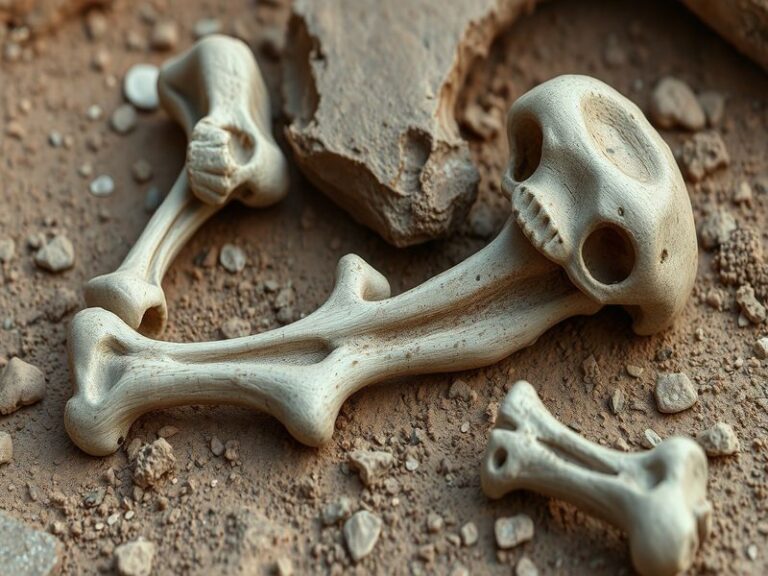
Researchers have recently focused on analyzing bite marks found on ancient bones, which provide a wealth of information about the interaction between humans and animals in prehistoric times. The analysis involves several steps:
- Collection: Archaeologists collect skeletal remains from excavation sites, often dating back thousands of years.
- Digitization: The bones are scanned and digitized, creating a 3D model that can be examined in detail.
- AI Analysis: Using machine learning algorithms, researchers analyze the bite marks to identify the species responsible and the nature of the bites (predatory, scavenging, etc.).
- Interpretation: The results are interpreted in the context of historical and environmental data, revealing insights into ancient lifestyles.
Shocking Discoveries and Implications
The use of AI in analyzing bite marks has led to several groundbreaking discoveries:
- Dietary Insights: Evidence of dietary practices, such as the consumption of animals previously thought not to be part of human diets, has emerged, reshaping our understanding of ancient nutrition.
- Social Structures: The analysis has revealed patterns of predation and scavenging that suggest complex social structures and interactions between species, including early human communities.
- Migration Patterns: Understanding bite marks linked to specific animals can provide clues about migration patterns and the adaptation strategies of early humans.
These findings have profound implications not only for archaeology but also for our understanding of human history and evolution. By revealing the complexities of ancient human-animal relationships, AI is transforming how we perceive our ancestors’ survival strategies and social dynamics.
Future Possibilities with AI in Archaeology
The integration of AI in archaeological research is just beginning, and the future holds exciting possibilities:
- Enhanced Collaboration: AI can facilitate collaboration between researchers worldwide by creating a centralized database of analyzed bite marks, leading to a shared understanding of findings.
- Interdisciplinary Approaches: The application of AI may encourage interdisciplinary approaches, combining insights from biology, anthropology, and computer science to drive further innovation.
- Advanced Tools: As technology advances, we can expect the development of more sophisticated AI tools that will enable even more detailed analyses of ancient artifacts.
Moreover, as AI technology continues to evolve, its applications in archaeology will likely expand, leading to deeper insights into human history. The potential for machine learning to analyze not just physical remains but also environmental data opens up new avenues for research, enabling archaeologists to reconstruct ancient ecosystems and understand the context in which early humans lived.
Conclusion
Artificial intelligence is proving to be a powerful ally in the quest to understand our past. By analyzing ancient bite marks, researchers are uncovering truths about our ancestors that were once thought lost to time. This innovative approach not only enhances our understanding of ancient diets and social structures but also paves the way for future discoveries in archaeology. As AI continues to evolve, it promises to transform how we explore and interpret the remnants of human history, revealing the rich tapestry of life that has shaped our existence.