The AI Intimacy Crisis: Human Connection in a Digital Age
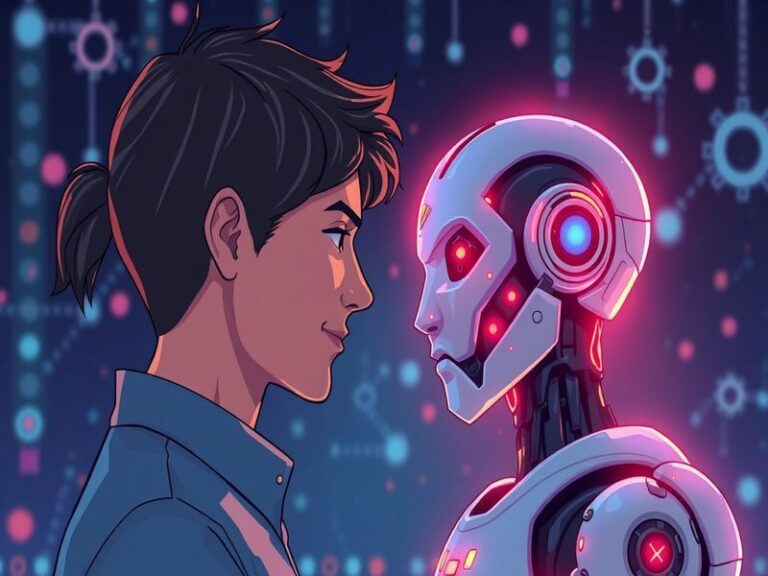
As we delve deeper into the digital age, the rise of artificial intelligence (AI) is reshaping various aspects of our lives, including our relationships. The phenomenon known as the “AI Intimacy Crisis” refers to the growing reliance on AI-driven interactions that could potentially lead to emotional detachment and a decline in genuine human connections. This article explores the implications of AI-driven relationships, the potential for emotional detachment, and what the future may hold.
The Rise of AI in Relationships
AI has made its way into our personal lives through various platforms and applications. From chatbots providing customer service to virtual assistants managing our schedules, AI is becoming increasingly integrated into our daily routines. Moreover, AI-driven companionship applications and social robots are emerging as alternatives to traditional relationships. They are designed to offer emotional support, companionship, and even romantic interactions.
- Chatbots and Virtual Companions: These AI entities mimic human interaction, offering users conversation and companionship. Examples include Replika and Kuki, which provide emotional support and companionship.
- Social Robots: Robots like Sophia and Paro are designed to engage in social interaction, often used in therapeutic settings to help individuals combat loneliness.
- Dating Apps: Many dating platforms now use AI algorithms to curate matches, enhancing the search for romantic partners based on user preferences and behaviors.
The Implications of AI-Driven Relationships
While AI can enhance our lives by providing companionship and support, it also raises significant concerns regarding emotional detachment and the quality of human connections. Here are some implications of this phenomenon:
- Emotional Detachment: Relying on AI for companionship may diminish our ability to form genuine emotional connections with other humans. As we become accustomed to interacting with machines that offer immediate gratification, the complexities of human emotions may become overwhelming.
- Reduced Interpersonal Skills: Frequent interactions with AI could lead to a decline in interpersonal skills, such as empathy, communication, and conflict resolution, which are essential in human relationships.
- Changing Social Norms: The normalization of AI in relationships may alter societal views on intimacy and companionship, leading to acceptance of AI partners as viable alternatives to human relationships.
Industry Implications
The rise of AI in personal relationships is not limited to individual users; it has broader implications for various industries:
- Healthcare: AI-driven companionship can play a vital role in mental health care, providing support for those struggling with loneliness or depression. This approach may allow healthcare providers to focus on more complex cases while AI addresses basic emotional needs.
- Technology Development: The demand for more sophisticated AI companions will drive innovation in natural language processing, emotional intelligence, and machine learning, pushing the boundaries of what AI can achieve.
- Social Services: As loneliness becomes a recognized public health issue, social services may incorporate AI solutions to provide support for vulnerable populations, including the elderly and those living alone.
Future Possibilities
The future of AI-driven relationships holds both promise and concern. As technology continues to evolve, we may witness several developments:
- Enhanced Emotional Intelligence: Future AI companions may possess advanced emotional recognition capabilities, allowing them to respond better to human emotions, potentially making them more effective in providing support.
- Ethical Considerations: The rise of AI in intimate relationships will prompt discussions on ethics, consent, and the nature of companionship. Society will need to grapple with questions about the AI’s role in emotional well-being.
- Blended Relationships: We may see a future where human and AI relationships coexist harmoniously, with individuals having both AI companions and human friends or partners, creating a hybrid approach to intimacy.
Conclusion
The AI intimacy crisis raises important questions about our future as technology continues to advance. While AI can offer companionship and support, it is crucial to remain aware of the potential for emotional detachment and the decline of genuine human connections. As we navigate this digital landscape, a balanced approach that embraces both AI and human interaction may be the key to fostering meaningful relationships in the digital age.