Meta’s Digital Legacy AI: Balancing Innovation and Ethical Concerns
As technology continues to evolve, so too does our relationship with digital platforms. One of the latest innovations from Meta (formerly Facebook) is its Digital Legacy AI, an initiative that aims to manage social media accounts after a user’s death. This concept raises profound questions about ethics, privacy, and the implications of AI in our lives. In this article, we will explore the potential consequences of AI managing social media accounts posthumously, balancing the promise of innovation with the weight of ethical concerns.
Understanding Digital Legacy AI
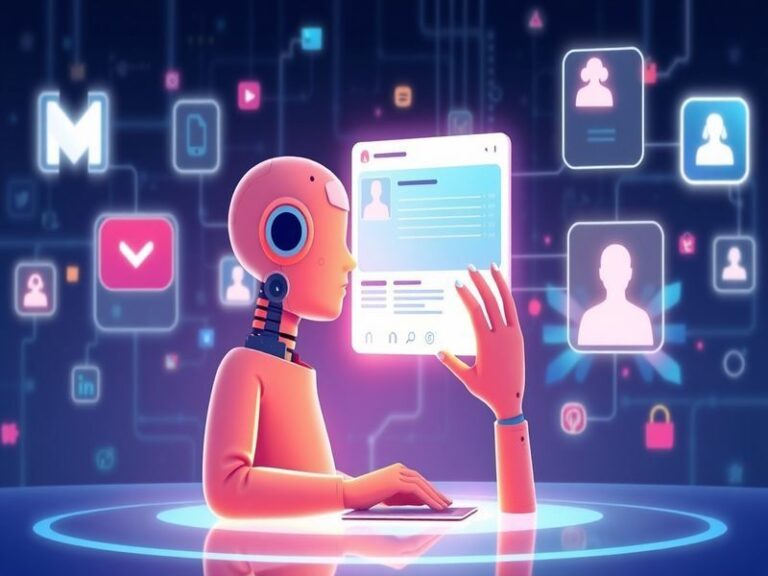
The Digital Legacy AI initiative is designed to allow users to dictate how their digital presence will be handled after they pass away. This could include managing posts, comments, or even continuing interactions based on the user’s past behavior and preferences. The AI aims to honor the deceased’s digital memory while maintaining a semblance of their personality through ongoing interaction.
Potential Benefits of Digital Legacy AI
While the concept of AI managing deceased users’ accounts may seem unsettling, there are several potential benefits to this technology:
- Preservation of Memories: The AI can curate and maintain a user’s social media presence, allowing friends and family to reminisce and celebrate the life of the deceased.
- Continuity of Connection: Through AI-generated posts or messages, loved ones may feel a continued connection with the deceased, which could aid in the grieving process.
- Legacy Management: Users can set preferences for what should be shared or deleted, ensuring their digital footprint reflects their wishes even after they are gone.
Ethical Concerns Surrounding Digital Legacy AI
Despite these benefits, the use of AI in managing deceased users’ accounts raises significant ethical questions:
- Consent: Can we truly consent to our digital legacy being curated by an AI? How can we ensure that our wishes are clear and respected?
- Privacy: The management of digital accounts posthumously involves sensitive data. How can we protect this information from misuse or unauthorized access?
- Authenticity: Can AI genuinely replicate a person’s voice and personality without crossing into manipulation? What happens when AI-generated content is perceived as authentic by others?
Industry Implications
The introduction of Digital Legacy AI is likely to have ripple effects across various sectors:
- Social Media Platforms: Other platforms may feel pressured to develop similar features, leading to a broader conversation about digital afterlife management.
- Legal Frameworks: The emergence of such technologies could necessitate new laws and regulations concerning digital assets and user rights after death.
- AI Development: Companies focused on AI will need to invest in ethical AI systems that can navigate the complexities of human emotions and relationships.
Future Possibilities
As we look toward the future, the implications of Digital Legacy AI could expand even further:
- Enhanced Personalization: Future iterations of Digital Legacy AI could use advanced machine learning algorithms to create even more personalized interactions based on the deceased’s social media history.
- Virtual Reality Integration: Imagine a world where loved ones can interact with a virtual representation of the deceased, created through AI, allowing for a more immersive experience of connection.
- Ethical Standards Development: As the technology matures, there may be a push for industry-wide ethical standards governing how AI is used in managing digital legacies.
Conclusion
The potential of Meta’s Digital Legacy AI to transform how we interact with the memories of those we’ve lost is both exciting and daunting. While it offers opportunities for connection and remembrance, it also necessitates a careful examination of ethical considerations. As we navigate this new landscape, it is crucial to strike a balance between innovation and responsibility, ensuring that technology serves to enhance our humanity rather than diminish it. The future of digital legacies will depend not only on technological advancements but also on our collective commitment to ethical standards and respect for personal privacy.