Meet Nosh: The Robo-Chef Cooking Your Dinner
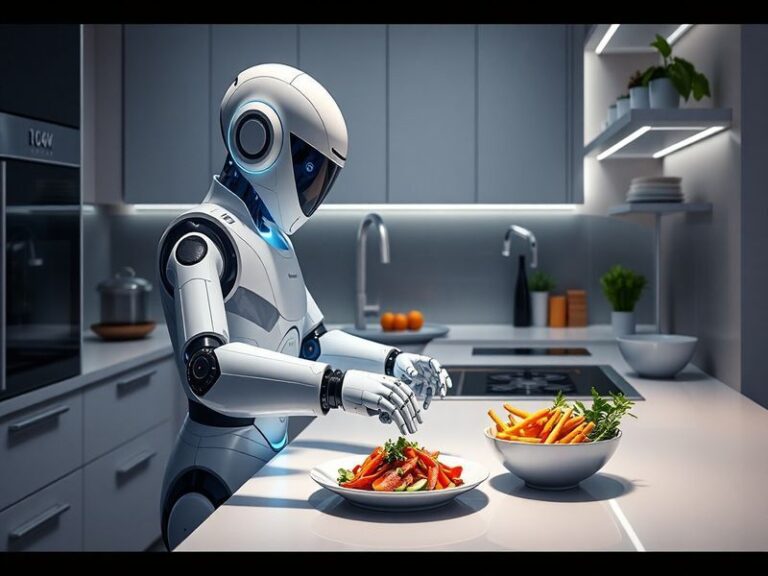
The culinary landscape is undergoing a significant transformation thanks to advancements in artificial intelligence (AI) and robotics. Enter Nosh, a revolutionary AI-powered kitchen robot that is changing how we prepare meals. This article delves into the technology behind Nosh, its implications for the food industry, and the exciting future of AI in our kitchens.
The Rise of AI in Culinary Arts
As our lives become increasingly busy, the demand for convenient cooking solutions has surged. AI-driven kitchen robots like Nosh are designed to tackle this challenge, offering a blend of technology and culinary expertise. Here’s how AI is reshaping meal preparation:
- Automation: Nosh automates repetitive tasks like chopping, stirring, and timing, allowing users to focus on creativity and presentation.
- Consistency: With AI algorithms, Nosh ensures every dish is cooked to perfection, eliminating the variability often associated with human cooking.
- Personalization: By analyzing user preferences and dietary needs, Nosh can suggest and prepare tailored meals, making cooking more accessible for everyone.
How Nosh Works
Nosh integrates various technologies to create a seamless cooking experience:
- Machine Learning: Nosh learns from user interactions, adapting its recipes and cooking techniques based on feedback and preferences.
- Computer Vision: Equipped with cameras and sensors, Nosh can identify ingredients and monitor cooking processes, ensuring accuracy.
- Natural Language Processing: Users can interact with Nosh through voice commands, making it easy to instruct and control the robot.
Practical Insights for Home Cooks
The integration of Nosh into home kitchens presents several practical advantages:
- Time-Saving: Nosh can prepare meals in a fraction of the time it would take a human cook, freeing up time for more enjoyable activities.
- Waste Reduction: By utilizing precise measurements and cooking times, Nosh minimizes food waste, promoting sustainability.
- Skill Development: Nosh can serve as a cooking coach, offering tips and techniques to users, enhancing their culinary skills.
Industry Implications
The emergence of cooking robots like Nosh is poised to have far-reaching effects on the food industry:
- Restaurant Efficiency: Restaurants can implement AI-powered robots to streamline kitchen operations, reducing labor costs and improving service speed.
- Food Production: Large-scale food production facilities can leverage robots to maintain consistency and quality in their offerings.
- Market Trends: With the growing popularity of cooking robots, consumer preferences may shift towards automated cooking solutions, creating new market opportunities.
The Future of AI in Cooking
As technology continues to advance, the future of AI in the kitchen looks promising. Here are some potential developments we might see:
- Enhanced Interactivity: Future versions of Nosh could feature augmented reality (AR) capabilities, providing users with immersive cooking experiences.
- Integration with Smart Homes: Nosh could connect with other smart kitchen appliances, creating a fully automated cooking environment.
- Global Cuisine Exploration: With access to a vast database of recipes from around the world, Nosh could allow users to explore and experiment with diverse cuisines.
Conclusion
Nosh represents the cutting edge of AI innovation in the kitchen. By automating cooking tasks, ensuring consistency, and personalizing meal options, this robo-chef is set to revolutionize the way we think about cooking. As technology continues to evolve, we can expect even greater advancements that will further enhance our culinary experiences. The future of cooking is here, and it is powered by artificial intelligence.