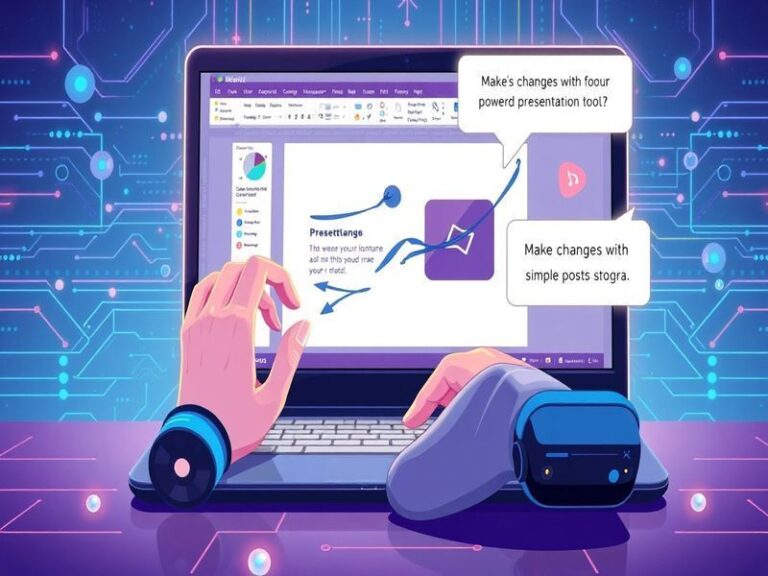
NotebookLM’s Prompt-Based Revisions: A Game Changer for Presentations
In the fast-paced world of business and academia, the ability to create compelling presentations quickly is paramount. Traditionally, crafting the perfect slide deck required not only creativity but also considerable time and effort. However, with advancements in artificial intelligence, particularly with tools like NotebookLM, the landscape of slide editing is undergoing a remarkable transformation. NotebookLM’s prompt-based revisions are reshaping how we approach presentations, making the process as easy as asking for changes.
The Rise of AI in Presentation Design
Artificial intelligence has infiltrated various domains, and presentation design is no exception. With machine learning algorithms and natural language processing (NLP) capabilities, AI tools are now capable of understanding user requests and generating content that aligns with those needs. NotebookLM stands out by offering a streamlined approach to revise and enhance presentations based on user prompts.
How NotebookLM Works
At its core, NotebookLM utilizes sophisticated AI models to interpret user instructions. This means that rather than manually adjusting text, images, and layouts, users can simply type out what they want to change or improve. The AI then processes this request and implements the modifications automatically.
Here are some features that make NotebookLM a revolutionary tool for presentation editing:
- Natural Language Processing: Users can communicate their needs in plain language, and the AI will comprehend and act accordingly.
- Contextual Awareness: The AI understands the context of the presentation, allowing it to make relevant suggestions that enhance the overall message.
- Real-Time Collaboration: Multiple users can interact with the presentation simultaneously, allowing for efficient teamwork.
- Template Generation: Users can request specific templates, and the AI will create tailored designs based on the subject matter.
Practical Insights for Users
For professionals and students alike, the practical implications of using NotebookLM are significant. Here are a few insights into how this tool can be integrated into everyday workflows:
- Streamlining Feedback Loops: Users can quickly iterate on slides by incorporating feedback from colleagues or mentors, reducing the time spent on revisions.
- Enhancing Visual Appeal: By simply asking for more engaging visuals or a cohesive color scheme, users can elevate the quality of their presentations without needing design expertise.
- Learning Resource: As users interact with NotebookLM, they can gain insights into effective presentation techniques and styles, enhancing their skills over time.
Industry Implications
The introduction of AI-driven tools like NotebookLM is poised to have far-reaching implications across various industries:
- Corporate Training: Businesses can produce training materials more efficiently, ensuring that content is always up-to-date and engaging.
- Education: Educators can create dynamic lesson plans and presentations that cater to different learning styles, enhancing student engagement.
- Marketing: Marketers can rapidly develop pitch decks and promotional materials, allowing for quick adjustments based on market feedback.
The Future of Presentation Technology
As AI technology continues to evolve, the future of presentation tools looks promising. Here are some potential developments we might see in the coming years:
- Increased Personalization: AI could leverage user data to create highly personalized presentations tailored to specific audiences and contexts.
- Integration with Other Tools: We may witness seamless integration between presentation software and other productivity tools, enhancing workflow efficiency.
- Advanced Analytics: Future iterations may include analytics features that help users understand audience engagement and improve presentation effectiveness.
In summary, NotebookLM’s prompt-based revisions are not just a convenience; they represent a significant leap towards making presentation design more accessible and efficient. As we embrace these innovations, we can expect a future where the art of presentation is democratized, allowing anyone to create compelling narratives with ease.