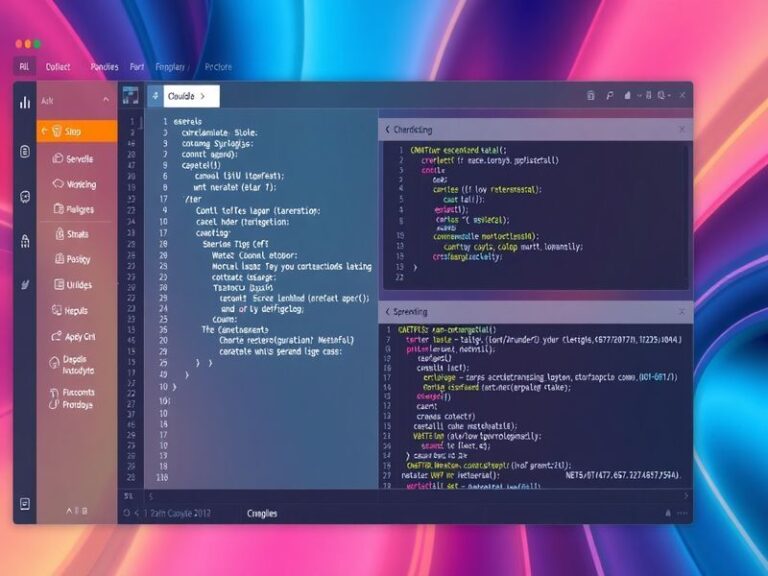
Claude Code Enhances Development Workflows: Introducing New Features that Streamline App Development and Code Management
In the rapidly evolving world of software development, the introduction of advanced tools and technologies is crucial for enhancing productivity and efficiency. One such tool making waves in the development community is Claude Code, an AI-powered coding assistant that promises to transform the way developers approach app development and code management. With its new features designed to streamline workflows, Claude Code is not just another coding assistant; it represents a significant leap forward in the integration of artificial intelligence into the development lifecycle.
Understanding Claude Code
Claude Code is built on the foundation of generative AI, utilizing machine learning algorithms to assist developers in writing, debugging, and managing code. Unlike traditional IDEs (Integrated Development Environments), Claude Code offers a more intuitive and interactive approach to coding, making it accessible for both seasoned developers and newcomers alike.
New Features of Claude Code
The latest updates to Claude Code have introduced several key features that enhance its functionality:
- Smart Code Suggestions: Claude Code analyzes the context of the code being written and offers real-time suggestions, reducing the time spent on writing boilerplate code.
- Automated Debugging: With advanced error detection capabilities, developers can identify and fix bugs more efficiently, leading to a significant reduction in debugging time.
- Version Control Integration: Claude Code seamlessly integrates with popular version control systems, allowing for better management of code changes and collaboration among team members.
- Code Review Assistance: The tool provides automated code review suggestions, helping teams maintain code quality and adhere to best practices.
- Learning Mode: For those new to programming, the learning mode offers step-by-step guidance and explanations of coding concepts, making it easier to grasp complex topics.
Practical Insights into Development Workflows
Integrating Claude Code into development workflows can lead to several practical benefits:
- Increased Productivity: By automating repetitive tasks and providing intelligent suggestions, developers can focus more on creative problem-solving rather than mundane coding tasks.
- Improved Collaboration: With the built-in version control features, teams can work together more effectively, minimizing conflicts and ensuring that everyone is on the same page.
- Faster Time-to-Market: The efficiency gains from using Claude Code can significantly reduce the development cycle, enabling companies to bring their products to market more quickly.
- Enhanced Code Quality: Automated code reviews and debugging tools help maintain high standards of code quality, reducing the likelihood of defects post-deployment.
Industry Implications
The introduction of tools like Claude Code is reshaping the software development landscape. As companies increasingly adopt these AI-powered solutions, several industry-wide implications emerge:
- Shift in Skill Requirements: As AI tools take over routine coding tasks, the demand for higher-level skills, such as architectural design and systems thinking, will likely increase.
- Increased Competition: Organizations that leverage AI tools effectively may gain a competitive edge, pushing others to adapt or risk falling behind.
- Focus on Innovation: With more time freed from routine tasks, developers can focus on innovation and creating value-added features, driving the industry forward.
Future Possibilities
As AI technologies continue to evolve, the potential for Claude Code and similar tools is vast. Here are some future possibilities to consider:
- Enhanced Personalization: Future iterations of Claude Code may use machine learning to personalize suggestions based on individual developer preferences and coding styles.
- Integration with Other AI Technologies: Combining Claude Code with other AI technologies, such as natural language processing and computer vision, could lead to even more powerful coding assistants.
- Expansion to Non-Technical Users: As the tool matures, it may become accessible to business analysts and project managers, allowing them to contribute to coding without deep technical expertise.
- Global Collaboration: AI tools could facilitate collaboration across geographic boundaries, allowing teams from different parts of the world to work together more effectively.
Conclusion
Claude Code is more than just a coding assistant; it is a harbinger of a new era in software development where artificial intelligence plays a central role. By streamlining development workflows and enhancing code management, Claude Code empowers developers and teams to work smarter, not harder. As we look to the future, the continued evolution of AI technologies promises to open even more doors for innovation in the field of software development.