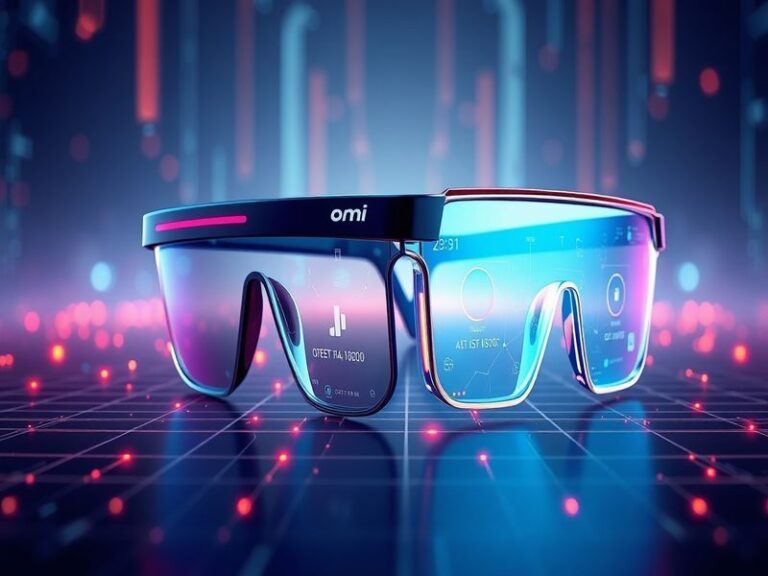
The Open-Source Revolution in Smart Glasses: How Omi Glass is Changing the Landscape of Wearable Technology with Open-Source Solutions
The rise of smart glasses has been nothing short of revolutionary, transforming the way we interact with technology and the world around us. Among the frontrunners in this innovation is Omi Glass, a brand that is championing the open-source approach in wearable technology. This article explores how Omi Glass is reshaping the smart glasses market, the implications for industries, and what the future might hold.
Understanding Omi Glass and Its Open-Source Philosophy
Omi Glass is not just another player in the smart glasses market; it represents a paradigm shift towards open-source solutions in wearable technology. By leveraging open-source frameworks, Omi Glass allows developers and users to customize their experience, making smart glasses more accessible and versatile than ever before.
- Customizability: Users can modify software according to their specific needs, enhancing functionality.
- Community-Driven Development: A vibrant community of developers contributes to its ecosystem, resulting in rapid innovation.
- Cost-Effectiveness: Open-source solutions can significantly reduce development costs, making smart glasses more affordable for consumers.
The Technological Advantages of Open-Source Smart Glasses
Omi Glass utilizes a unique blend of hardware and software that exemplifies the strengths of open-source technology. Here are a few technological advantages:
- Interoperability: Omi Glass is designed to work seamlessly with various applications and platforms, allowing users to integrate their devices into existing ecosystems.
- Enhanced AI Capabilities: The open-source framework allows for the integration of advanced AI tools, enabling features such as real-time object recognition and augmented reality overlays.
- Rapid Updates: The community-driven model allows for quicker updates and patches, ensuring that users always have the latest features and security enhancements.
Industry Implications of Omi Glass
The impact of Omi Glass extends far beyond individual users. Its open-source approach is poised to disrupt multiple industries:
- Healthcare: Smart glasses can assist medical professionals in surgeries by providing real-time data and improving patient monitoring.
- Education: With customizable applications, Omi Glass can enhance learning experiences through augmented reality, making education more interactive.
- Manufacturing: Workers can utilize smart glasses for hands-free guidance, improving efficiency and safety on the factory floor.
- Gaming and Entertainment: The potential for immersive experiences in gaming is vast, with developers creating unique content tailored for Omi Glass.
Future Possibilities and Challenges
While the future looks promising for Omi Glass and open-source smart glasses as a whole, there are challenges that the industry must address:
- Privacy Concerns: The ability to capture and analyze data raises significant questions about user privacy and data security.
- Market Competition: As more companies enter the smart glasses space, Omi Glass must continue to innovate to maintain its competitive edge.
- Consumer Adoption: The transition from traditional eyewear to smart glasses requires overcoming consumer reluctance and demonstrating clear benefits.
Conclusion: The Path Forward for Omi Glass and Open-Source Wearables
Omi Glass is at the forefront of a significant shift in the wearable technology landscape, leveraging the principles of open-source development to deliver customizable and powerful smart glasses. As industries begin to recognize the potential of these devices, Omi Glass stands to play a crucial role in shaping the future of technology.
Ultimately, the success of Omi Glass will depend on its ability to navigate the challenges ahead while continuing to foster a community that drives innovation. As the lines between the digital and physical worlds blur, we can expect smart glasses to become an integral part of our everyday lives.