AI Security Measures: The Rise of Code Scanners
In an era where software vulnerabilities can lead to catastrophic breaches and data loss, the demand for robust security measures has never been more pressing. Enter AI-powered code scanners, a transformative technology that enhances vulnerability management. Among the frontrunners in this domain is Claude Code, whose new security scanner is redefining how developers approach software security. This article explores the implications of Claude Code’s innovations, practical insights into its functionality, and future possibilities in the realm of AI security measures.
The Growing Importance of Software Security
As businesses increasingly rely on software solutions, the security of these applications becomes paramount. A single vulnerability can expose sensitive data, disrupt services, and damage reputations. The rise of cyber threats has compelled organizations to invest significantly in security measures, and traditional methods are often falling short. This is where AI-driven technologies come into play.
Introducing Claude Code’s Security Scanner
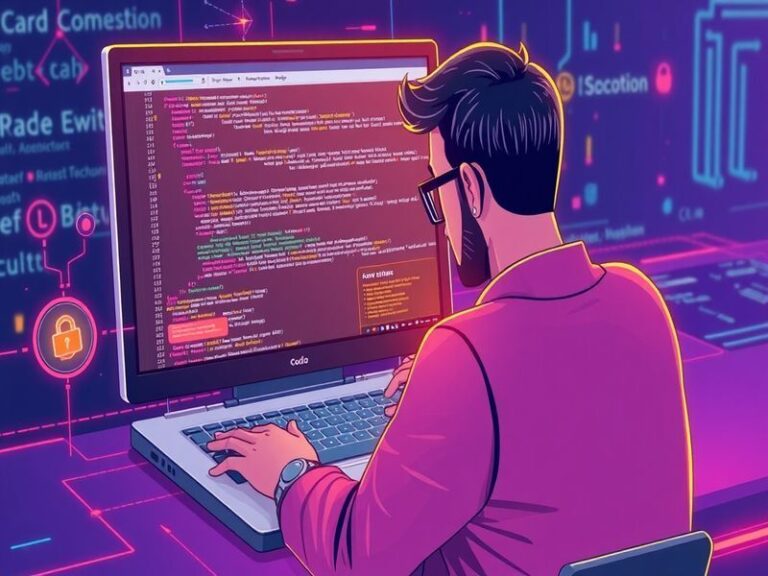
Claude Code’s security scanner leverages advanced machine learning algorithms to identify vulnerabilities within the codebase effectively. Unlike traditional static analysis tools, which may struggle with complex code structures, Claude Code employs sophisticated AI techniques to scan code for potential vulnerabilities in real-time.
Key Features of Claude Code’s Scanner
- Real-time Analysis: The scanner operates continuously, providing immediate feedback to developers as they write code.
- Contextual Understanding: By utilizing natural language processing, the scanner understands code semantics and context, enhancing its ability to detect vulnerabilities.
- Automated Remediation Suggestions: Beyond detection, the tool offers actionable suggestions for fixing vulnerabilities, streamlining the development process.
- Integration with CI/CD Pipelines: Claude Code’s scanner seamlessly integrates into existing Continuous Integration/Continuous Deployment (CI/CD) pipelines, ensuring security is a part of the development lifecycle.
Practical Insights for Developers
For developers, integrating AI-driven code scanners like Claude Code’s can yield significant benefits:
- Increased Efficiency: Automated scanning reduces the time developers spend on manual code reviews, allowing for faster releases.
- Enhanced Security Posture: Continuous monitoring means vulnerabilities can be detected and addressed more swiftly, reducing the window of exposure.
- Learning and Improvement: As developers use the scanner, the AI learns from their interactions, improving its accuracy and suggestions over time.
Industry Implications
The implications of AI-driven code scanning technology extend beyond individual developers. Organizations can achieve:
- Cost Savings: By identifying vulnerabilities early in the development process, companies can avoid the high costs associated with post-deployment fixes and potential security breaches.
- Regulatory Compliance: Many industries are subject to strict compliance regulations regarding data security. AI scanners can help ensure that applications meet these requirements.
- Cultural Shift Toward Security: With automated tools in place, teams are encouraged to adopt a security-first mindset, fostering a culture of vigilance and responsibility.
Future Possibilities
The rise of AI-powered code scanners like Claude Code’s opens up exciting possibilities for the future of software development and security:
- Adaptive Learning: Future iterations of code scanners could utilize adaptive learning, evolving their detection capabilities based on new vulnerabilities and coding practices.
- Collaborative AI: Imagine a scenario where multiple AI scanners communicate with each other, sharing insights and collectively improving their detection algorithms.
- Integration with Other Technologies: The potential for integration with other emerging technologies, such as blockchain for immutable records or IoT for enhanced monitoring, could further bolster security.
Conclusion
The rise of AI-driven code scanners marks a significant turning point in the way organizations manage software vulnerability. Claude Code’s innovative scanner exemplifies how technology can enhance security measures, making it easier for developers to create secure applications. As AI continues to evolve, we can expect more advanced solutions that not only protect against current threats but also anticipate future vulnerabilities, ultimately fostering a safer digital landscape.