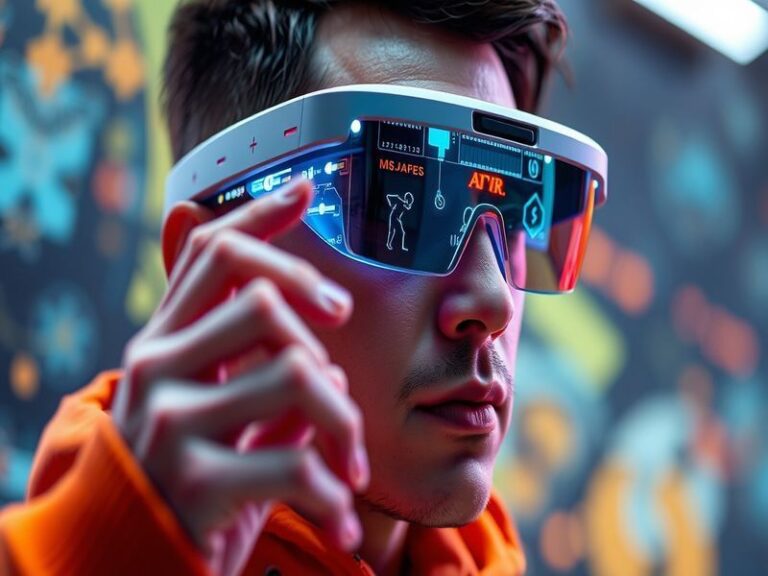
Open Source Innovations in Smart Glass Technology: How Omi Glass is Revolutionizing the Smart Glasses Market with Open-Source Solutions
The smart glasses market is experiencing an unprecedented transformation, driven by advancements in technology and the rise of open-source innovations. One of the notable players in this arena is Omi Glass, a company that is pioneering the integration of open-source solutions in smart glass technology. This article explores how Omi Glass is reshaping the industry landscape, the implications for AI and technology, and the future possibilities that arise from this innovative approach.
The Evolution of Smart Glasses
Smart glasses have come a long way since their inception. Initially, the focus was primarily on augmented reality (AR) applications, but as technology has progressed, the scope of smart glasses has expanded. Today, they are equipped with features such as:
- Augmented Reality: Overlaying digital information onto the physical world.
- Object Recognition: Using AI to identify and interact with objects in real-time.
- Voice Commands: Enabling hands-free operation through voice recognition technologies.
- Health Monitoring: Tracking fitness metrics and health data for users.
However, despite these advancements, many smart glasses are closed systems, limiting user customization and innovation. This is where Omi Glass steps in, championing an open-source approach that promotes flexibility and creativity.
Omi Glass: A Game Changer in Open-Source Smart Glasses
Omi Glass has made significant strides in the smart glasses market by adopting an open-source model that allows developers and users to modify and enhance the device’s functionalities. This approach not only fosters innovation but also builds a vibrant community around the product. Here are some key features of Omi Glass:
- Community-Driven Development: Users can contribute to the development process, ensuring that the product evolves in alignment with community needs.
- Customizable Software: Developers can create applications tailored to specific industries, from healthcare to manufacturing.
- Interoperability: Omi Glass works seamlessly with various platforms and devices, enhancing its usability.
- Cost-Effectiveness: Open-source solutions can significantly reduce development costs, making smart glasses more accessible.
Practical Insights: The Impact of Open Source on Smart Glass Technology
The implications of Omi Glass’s open-source approach extend beyond just user customization. Here are some practical insights into how this model is impacting the smart glasses industry:
- Accelerated Innovation: The open-source model encourages rapid experimentation and development, leading to quicker advancements in technology.
- Enhanced User Engagement: By allowing users to contribute to the development process, Omi Glass fosters a sense of ownership among its community.
- Broader Application Scope: With customizable software, applications can be developed for niche markets, expanding the potential use cases of smart glasses.
- Improved Security: Open-source software allows for greater scrutiny and transparency, leading to more robust security measures through community collaboration.
Industry Implications: A Shift Towards Open Innovation
The shift towards open-source solutions in smart glass technology heralds a new era for the industry. Traditional players may find it challenging to compete with the agility and collaborative nature of open-source models. This transition could lead to:
- Increased Competition: New entrants with innovative ideas can disrupt established companies, driving the entire industry forward.
- Collaboration Over Competition: Companies may form partnerships to leverage open-source technologies, leading to shared advancements.
- Focus on User-Centric Design: As users become more involved in development, products will increasingly reflect user needs and preferences.
Future Possibilities: The Next Frontier in Smart Glass Technology
As Omi Glass continues to innovate within the open-source framework, several exciting possibilities for the future of smart glasses emerge:
- Artificial Intelligence Integration: The incorporation of advanced AI capabilities could lead to smarter, more intuitive devices.
- Advanced Machine Learning Applications: Enhanced learning algorithms could improve object recognition and contextual awareness.
- Expanded Use Cases in Various Industries: From healthcare to education, the potential applications of smart glasses are virtually limitless.
- Global Developer Ecosystem: An expanding community of developers can lead to a plethora of applications, making smart glasses an essential tool across multiple sectors.
Conclusion
Omi Glass is at the forefront of a revolution in the smart glasses market, championing open-source innovations that empower users and developers alike. As the industry embraces this transformative approach, the potential for enhanced technology, improved user experience, and broader applications will continue to unfold. The future of smart glasses is bright, and Omi Glass is leading the charge towards a more innovative and inclusive landscape.