The Hive Mind: Envisioning AI Agents with 50 Million Brains
As we approach 2026, the rapid development of artificial intelligence (AI) suggests a future where interconnected AI agents could operate in unison, creating what can be termed a “hive mind.” This concept envisions the deployment of millions of AI agents, each contributing their unique capabilities to tackle complex problems. This article explores the implications of such a development, considering practical insights, industry impacts, and future possibilities.
The Concept of the Hive Mind
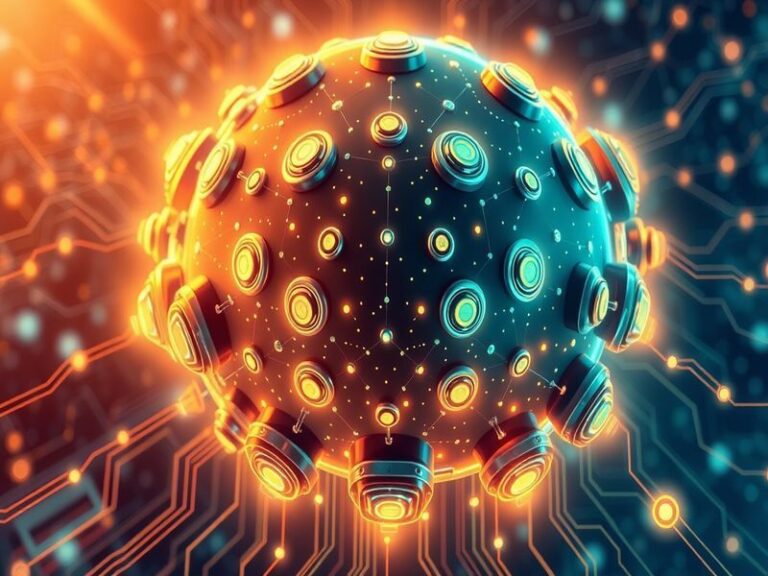
The concept of a hive mind draws inspiration from social insects, such as bees and ants, which work collaboratively to achieve common goals. In the context of AI, each agent can be seen as an individual brain, contributing to a larger cognitive network.
- Interconnectedness: Each AI agent communicates with others, sharing data and insights, leading to enhanced decision-making.
- Specialization: Different agents can be designed for specific tasks, allowing for a multi-faceted approach to problem-solving.
- Resilience: The collective intelligence of millions of agents could create a robust system resistant to failures or errors in individual agents.
Practical Insights: Designing the Hive Mind
Implementing a hive mind of AI agents involves several critical considerations:
- Data Integration: A successful hive mind will require seamless integration of vast amounts of data from different sources. This integration is vital for agents to make informed decisions based on real-time information.
- Communication Protocols: Establishing effective communication protocols among AI agents is essential. This could involve using advanced algorithms for data exchange, ensuring that agents can interpret and utilize shared knowledge effectively.
- Ethical Considerations: The deployment of interconnected AI agents raises ethical questions regarding accountability and decision-making. It is critical to establish guidelines that govern the behavior of these agents.
Industry Implications
The introduction of millions of interconnected AI agents will have profound implications across various industries:
- Healthcare: In the medical field, a hive mind of AI agents could analyze patient data from millions of sources, improving diagnostics and personalized treatment plans.
- Finance: Financial institutions could deploy AI agents to monitor market trends and execute trades based on real-time data analysis, enhancing investment strategies.
- Manufacturing: Smart factories could utilize AI agents to optimize production lines, predict maintenance needs, and minimize downtime.
- Environment: Interconnected AI agents could collaborate on environmental monitoring, enabling more effective responses to climate change and natural disasters.
Future Possibilities
Looking ahead, the potential of a hive mind of AI agents opens up a myriad of possibilities:
- Enhanced Creativity: By pooling their knowledge, AI agents could produce innovative solutions and ideas that surpass human creativity.
- Global Problem Solving: A hive mind could tackle global issues such as poverty, education, and healthcare by coordinating efforts across different regions and sectors.
- Social Dynamics: The interaction between AI agents and human users could lead to new forms of collaboration, reshaping our understanding of work and society.
Challenges to Overcome
Despite the exciting possibilities, several challenges remain in developing a hive mind of AI agents:
- Scalability: Managing the scalability of millions of agents while maintaining efficiency and responsiveness is a significant challenge.
- Security: With interconnected systems, the risk of cyber-attacks increases. Ensuring robust security measures is crucial.
- Regulatory Frameworks: The development of regulatory frameworks to govern AI behavior and interactions will be essential to prevent misuse and ensure ethical practices.
Conclusion
The vision of deploying millions of interconnected AI agents by 2026 presents both exciting opportunities and daunting challenges. As we move towards this future, it is crucial to navigate the implications thoughtfully, ensuring that these technologies are harnessed for the greater good. The potential of a hive mind could revolutionize industries and redefine the way we approach problem-solving, but it requires careful planning, ethical considerations, and a commitment to responsible innovation.