The Backlash Against ‘Vibe Coding’: Understanding the Debate Around Evolving Coding Practices in the Age of AI
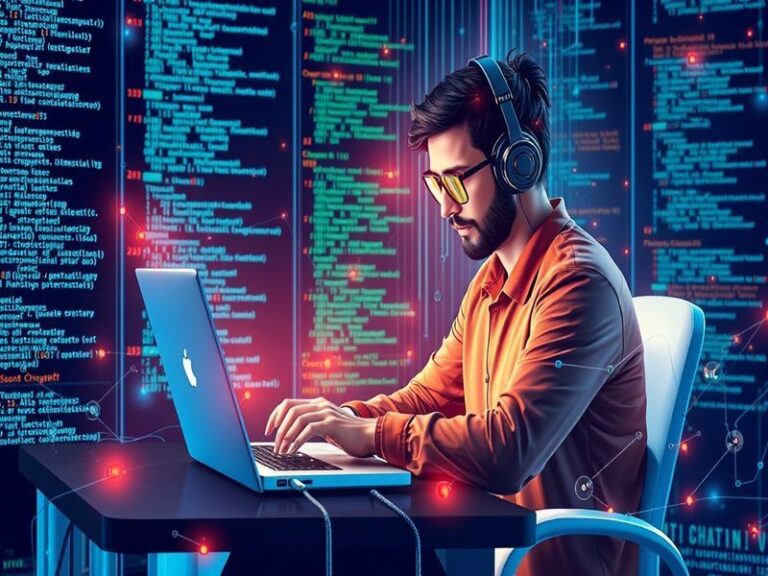
As artificial intelligence (AI) continues to evolve and integrate into various aspects of software development, a new phenomenon known as “vibe coding” has emerged. Defined loosely, vibe coding refers to an approach where developers prioritize intuition and a general feeling about how code should work, often relying on AI tools to guide their decisions rather than adhering to traditional coding practices. While some see it as a natural evolution of coding in the age of AI, others raise concerns about its implications for the future of programming and software development.
What is Vibe Coding?
At its core, vibe coding emphasizes the creative and artistic elements of programming, allowing developers to focus more on the outcome and less on the meticulous details of the code itself. The rise of AI-powered tools, such as code assistants and auto-completion features, has made it easier than ever for developers to implement ideas without a deep understanding of the underlying code. This shift raises several important questions:
- Is vibe coding undermining the rigor and discipline traditionally associated with programming?
- Could it lead to a generation of developers who rely too heavily on tools without fully understanding the code they write?
- What are the long-term implications for software quality and maintainability?
The Backlash: Concerns from the Industry
The backlash against vibe coding stems from various concerns, particularly among experienced developers and industry leaders. Here are some key points fueling the debate:
- Quality of Code: Critics argue that vibe coding can lead to sloppy, inefficient, or insecure code. Without a solid foundation in coding principles, developers may inadvertently introduce bugs or vulnerabilities.
- Over-reliance on AI: There is a fear that developers will become overly reliant on AI tools, losing their problem-solving skills and reducing their ability to think critically about complex coding challenges.
- Job Market Implications: As coding becomes more accessible through vibe coding and AI assistance, there are concerns that the job market could be flooded with less-skilled coders, potentially driving down wages for professional programmers.
- Loss of Creativity: While vibe coding aims to enhance creativity, some argue that it may stifle true innovation by encouraging a cookie-cutter approach to coding.
Practical Insights: Balancing Vibe Coding and Traditional Practices
Despite the criticisms, it’s essential to recognize that vibe coding is not inherently negative. Instead, it represents an evolution in coding practices that can coexist with traditional methods. Here are some practical insights for developers and organizations:
- Embrace AI Tools Wisely: Use AI-powered tools to augment your coding process rather than replace it. Understand the limitations of AI and maintain a critical eye on the code it generates.
- Focus on Education: Encourage continuous learning and professional development. Developers should be equipped with strong foundational knowledge and skills to complement the use of AI tools.
- Adopt Best Practices: Implement coding standards and best practices to ensure code quality, regardless of whether it’s written through vibe coding or traditional methods.
- Encourage Collaboration: Promote teamwork among developers with varying levels of experience. This can help bridge the gap between those who favor vibe coding and those who advocate for traditional coding practices.
Industry Implications: Navigating the Future of Coding
The ongoing debate around vibe coding has significant implications for the tech industry. Here are some potential outcomes:
- Shifts in Education: Coding bootcamps and educational institutions may adjust their curricula to include more emphasis on AI tools, blending traditional coding principles with modern practices.
- New Roles and Responsibilities: Companies may begin to define new roles that focus on overseeing AI-generated code, ensuring quality and security.
- Innovation and Disruption: As vibe coding becomes more prevalent, we may see new innovations in software development methodologies that prioritize flexibility and creativity.
Future Possibilities: A Hybrid Approach
Looking ahead, the future of coding may not lie strictly in either vibe coding or traditional methods, but rather in a hybrid approach that leverages the strengths of both. By integrating AI tools with a solid understanding of coding principles, developers can achieve greater efficiency while maintaining high standards of code quality. This hybrid model could lead to:
- Enhanced Productivity: Developers can focus on higher-level problem-solving and design, allowing AI tools to handle routine tasks.
- Improved Collaboration: Teams can work together more effectively, combining different skill sets to produce better outcomes.
- Continued Innovation: With a balanced approach, developers can innovate freely while ensuring that essential coding practices are upheld.
In conclusion, the backlash against vibe coding highlights the need for a thoughtful discussion about the future of coding practices in an AI-driven world. By embracing change while respecting the foundations of programming, the industry can navigate this evolving landscape to foster creativity and maintain software quality.