Stanford’s Breakthrough in Mind-Reading Technology: Decoding Thoughts into Text
In a groundbreaking advancement that could reshape the future of brain-computer interfaces (BCIs), researchers at Stanford University have made significant strides in decoding human thoughts into text. This innovative technology leverages artificial intelligence and machine learning algorithms to interpret neural signals, presenting a leap forward in understanding brain activity and communication.
The Innovation Behind the Breakthrough
The research team at Stanford employed a combination of neural recordings and advanced machine learning techniques to translate brain activity into coherent text. By utilizing a large dataset of brain signals from participants engaged in various cognitive tasks, the researchers were able to train their AI models to recognize patterns associated with specific thoughts and linguistic structures.
Key components of their methodology included:
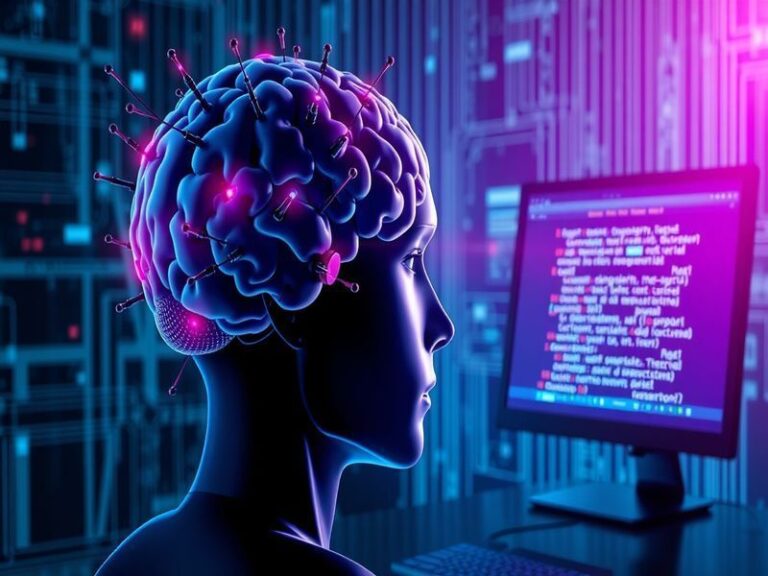
- Neural Decoding: The team recorded brain activity using electrodes implanted in the brains of patients undergoing treatment for epilepsy.
- Machine Learning Algorithms: Sophisticated algorithms were developed to map the neural signals to corresponding words and phrases.
- Real-Time Processing: The system can decode thoughts in real-time, allowing for immediate text generation based on neural inputs.
Practical Insights from the Research
This mind-reading technology has far-reaching implications across various sectors. Here are some practical insights:
- Healthcare Applications: The ability to decode thoughts can significantly aid individuals with speech impairments or neurological conditions, allowing them to communicate more effectively.
- Enhanced Human-Computer Interaction: The technology could lead to more intuitive interfaces, enabling users to control devices merely by thinking, potentially transforming how we interact with technology.
- Research and Neuroscience: This breakthrough provides researchers with new tools to understand brain functions better, leading to more innovative treatments for mental health disorders and cognitive decline.
Industry Implications
The implications of this technology extend beyond personal use to broader industry applications, including:
- Telecommunications: Imagine a future where messages can be sent without typing, revolutionizing communication in both personal and professional contexts.
- Gaming and Entertainment: The gaming industry could see immersive experiences where players control characters just by thinking, enhancing engagement.
- Marketing and Advertising: Understanding consumer thoughts and preferences could lead to more targeted marketing strategies, transforming how brands interact with customers.
Future Possibilities
Looking forward, the potential for mind-reading technology is vast. Here are some future possibilities that could stem from this research:
- Improved Accessibility: This technology could break down barriers for individuals with disabilities, providing them with new ways to interact with the world.
- Ethical Considerations: As we advance, the ethical implications of decoding thoughts will need careful consideration, particularly regarding privacy and consent.
- Integration with AI: The fusion of AI and BCI technologies could lead to smarter personal assistants that understand user intent better than ever before.
Conclusion
Stanford’s breakthrough in mind-reading technology marks a pivotal moment in the evolution of brain-computer interfaces. As researchers continue to refine these systems, we can expect to see profound changes in how we communicate, interact with technology, and understand the human brain. While the future holds exciting possibilities, it is crucial to navigate the ethical landscape carefully, ensuring that such advancements serve humanity positively and responsibly.