The Emergence of AI-Powered Robot Phones
As technology continues to evolve at a rapid pace, the intersection of artificial intelligence (AI) and mobile devices has given rise to a new form of innovation: AI-powered robot phones. These advanced devices not only serve as communication tools but also incorporate autonomous tracking capabilities, enhancing user experience and functionality. In this article, we will explore how AI is transforming smartphone technology, the practical insights that come with this evolution, industry implications, and future possibilities.
Understanding AI-Powered Robot Phones
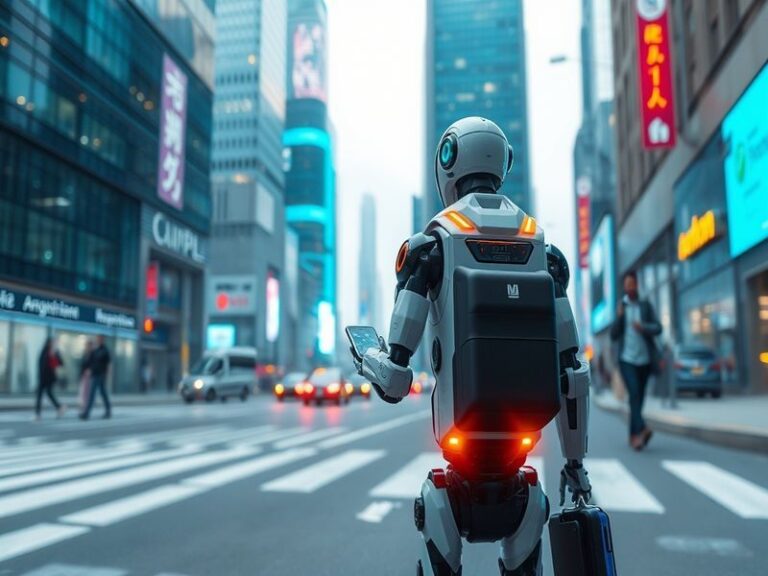
AI-powered robot phones are smartphones equipped with AI algorithms and robotics technology that allow them to perform tasks autonomously. This innovation is primarily driven by advancements in machine learning, computer vision, and sensor technology. The result is a device that can navigate its environment, track users, and even learn from interactions.
Key Features of AI-Powered Robot Phones
These devices come packed with features that set them apart from traditional smartphones:
- Autonomous Tracking: Utilizing advanced sensors and AI algorithms, robot phones can follow users and adjust their functionalities based on real-time data.
- Gesture Recognition: AI-powered phones can recognize hand movements and gestures, allowing users to interact with their devices without physical touch.
- Personalized Assistance: With integrated AI assistants, these devices can provide tailored recommendations and responses, enhancing user engagement.
- Enhanced Security: AI capabilities allow for improved security measures, such as facial recognition and anomaly detection, ensuring user data remains protected.
The Role of AI in Smartphone Technology
AI is not just an add-on feature; it is becoming an integral part of smartphone technology, influencing various aspects:
- Improved User Experience: AI algorithms analyze user behavior and preferences, allowing for a more intuitive interface and smoother navigation.
- Camera Enhancements: AI-driven photography features, such as scene recognition and image stabilization, provide users with professional-quality images with minimal effort.
- Battery Management: AI optimizes battery use by learning which applications are used most frequently, ultimately extending battery life.
- Health Monitoring: AI algorithms can track physical activities and health metrics, positioning smartphones as essential health companions.
Industry Implications
The rise of AI-powered robot phones has significant implications for various industries:
- Telecommunications: As smartphone manufacturers integrate AI technologies, telecom companies must adapt their services to support these advanced features, including enhanced data plans and network optimizations.
- Healthcare: AI-enabled smartphones can revolutionize health monitoring, enabling remote patient care and real-time health data analysis, which can significantly improve healthcare delivery.
- Retail: Retailers can leverage AI-powered phones for personalized shopping experiences, using location-based services and purchase history to target customers effectively.
- Security: The enhanced security features of AI-powered devices could lead to a reduction in cyber threats, prompting a reevaluation of data protection strategies across industries.
Future Possibilities
As AI continues to develop, the possibilities for robot phones are vast. Here are some anticipated advancements:
- Increased Autonomy: Future models may feature fully autonomous functionalities, enabling them to perform tasks independently, such as home automation or personal scheduling.
- Enhanced Interaction: With improvements in natural language processing, robot phones could evolve to understand and respond to complex user queries more effectively.
- Integration with IoT: AI-powered phones are likely to become central hubs in the Internet of Things (IoT) ecosystem, controlling smart home devices and other connected technologies seamlessly.
- Sustainability Initiatives: As the focus on sustainability grows, future robot phones could incorporate energy-efficient technologies and materials, promoting environmental responsibility.
Conclusion
The emergence of AI-powered robot phones marks a significant milestone in the evolution of smartphone technology. With autonomous tracking capabilities and a plethora of AI-driven features, these devices promise to enhance user experience while reshaping various industries. As we look to the future, the continuous integration of AI in smartphones will undoubtedly lead to more innovative solutions that cater to the ever-growing demands of consumers and businesses alike.