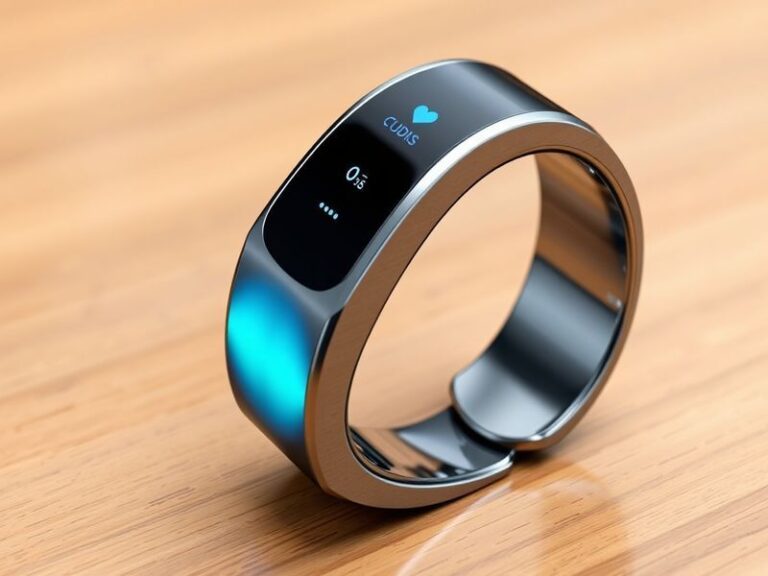
AI-Powered Health Monitoring: The CUDIS Smart Ring
In recent years, wearable technology has undergone a significant transformation, integrating advanced features that leverage artificial intelligence (AI) to enhance health management. One of the most groundbreaking innovations in this field is the CUDIS Smart Ring, a compact yet powerful device that offers personalized health monitoring and AI coaching capabilities. This article explores how the CUDIS Smart Ring is changing the landscape of health management, its implications for the industry, and the future possibilities it presents.
The Rise of Wearable Technology
Wearable technology has seen exponential growth over the past decade, driven by advancements in both hardware and software. From fitness trackers to smartwatches, these devices have primarily focused on tracking physical activity and vital signs. However, the integration of AI is what sets the CUDIS Smart Ring apart, making it a game-changer in health management.
Features of the CUDIS Smart Ring
The CUDIS Smart Ring is designed to be discreet yet highly functional. Here are some of its key features:
- Real-Time Health Monitoring: The ring continuously tracks heart rate, sleep patterns, stress levels, and physical activity.
- AI Coaching: It utilizes machine learning algorithms to analyze health data and provide personalized recommendations for lifestyle changes.
- Data Integration: The ring can sync with other health apps and devices, creating a comprehensive health profile for the user.
- Durability and Design: Made from high-quality materials, it is designed for daily wear, ensuring that users can benefit from its features at all times.
Personalized Health Management
One of the most significant advantages of the CUDIS Smart Ring is its ability to personalize health management. Traditional health monitoring tools often provide generic advice that may not suit individual needs. In contrast, the AI-driven insights offered by this smart ring enable users to:
- Set Tailored Goals: Based on collected data, users can establish personalized fitness and health objectives.
- Receive Timely Alerts: If the ring detects irregularities in vital signs, it can alert the user to seek medical attention.
- Track Progress: Users can monitor changes over time, helping to assess the effectiveness of lifestyle adjustments.
Industry Implications
The introduction of AI-powered wearables like the CUDIS Smart Ring has far-reaching implications for the healthcare industry:
- Shifting to Preventative Care: With real-time health monitoring, healthcare providers can shift from reactive to preventative care, potentially reducing the burden on healthcare systems.
- Empowering Patients: By giving users more control over their health, wearables can empower individuals to make informed decisions about their well-being.
- Data-Driven Insights: Aggregated data from multiple users can lead to valuable insights for researchers, helping to identify health trends and improve public health strategies.
Challenges and Considerations
Despite its potential, the CUDIS Smart Ring also faces several challenges:
- Privacy Concerns: The collection of sensitive health data raises questions about user privacy and data security.
- Accuracy of Data: While AI can provide valuable insights, the accuracy of the data collected by wearables can vary, potentially leading to misleading recommendations.
- Market Saturation: As the market for wearables becomes increasingly competitive, distinguishing unique features becomes crucial for consumer adoption.
Future Possibilities
The future of AI-powered health monitoring devices like the CUDIS Smart Ring looks promising. Here are some possibilities:
- Integration with Telemedicine: As telemedicine becomes more popular, integrating smart rings with virtual consultations could enhance remote healthcare delivery.
- Advanced AI Algorithms: Future iterations may employ more sophisticated machine learning techniques, improving the accuracy and personalization of health recommendations.
- Broader Health Applications: Beyond fitness and wellness, AI could expand into chronic disease management, enabling more comprehensive health solutions.
Conclusion
The CUDIS Smart Ring exemplifies how AI and wearable technology can revolutionize personal health management. By offering real-time monitoring and personalized coaching, it empowers users to take control of their health like never before. As the technology continues to evolve, the potential for improved health outcomes and transformative changes in the healthcare industry is limitless.