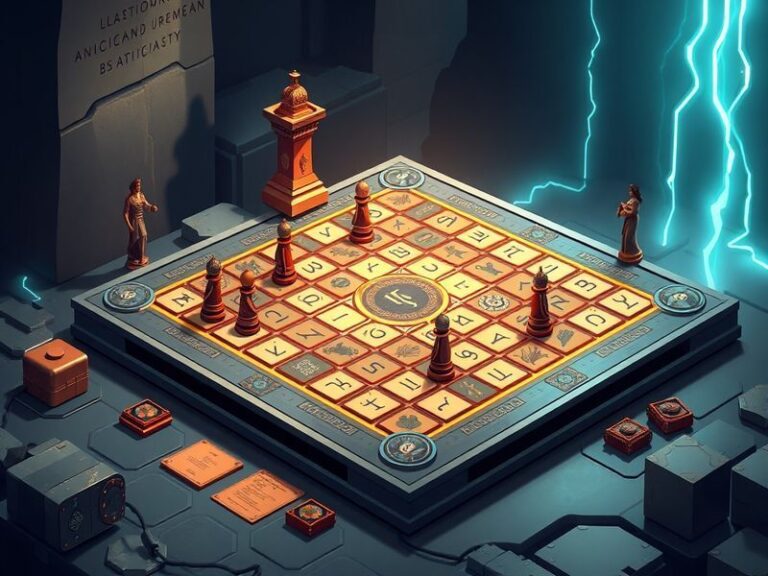
AI Cracks a 2,000-Year-Old Roman Board Game: Unveiling Ancient Rules and Cultural Significance
In an astonishing intersection of technology and history, artificial intelligence (AI) has recently made headlines by deciphering the rules of a 2,000-year-old Roman board game known as *Ludus Duodecim Scriptorum*. This ancient game, often likened to modern backgammon, has intrigued historians and game enthusiasts alike. With the aid of advanced AI techniques, researchers have not only uncovered the gameplay mechanics but also explored the cultural significance of such games in ancient Roman society. Let’s delve into how AI is transforming our understanding of history and what this means for the future of archaeological research.
How AI Deciphered Ancient Games
The application of AI to historical contexts is not entirely new, but the success in cracking the rules of *Ludus Duodecim Scriptorum* marks a significant achievement. Here’s how the process unfolded:
- Data Collection: Researchers gathered a plethora of ancient texts, illustrations, and artifacts that referenced the game. This included depictions on pottery, inscriptions, and documents from Roman literature.
- Machine Learning Algorithms: Utilizing natural language processing (NLP) and machine learning (ML) algorithms, AI was trained on the collected data to identify patterns and relationships within the texts.
- Game Simulation: AI models simulated various gameplay scenarios based on the inferred rules, adapting and evolving as they processed more data. This iterative learning process allowed the AI to refine its understanding of the game’s mechanics.
- Validation: The final rules proposed by the AI were cross-verified against historical sources and expert opinions, leading to a consensus on the game’s rules.
The Cultural Significance of Ancient Games
Understanding the rules of *Ludus Duodecim Scriptorum* opens a window into Roman culture and social dynamics. Here are several insights gained from this AI-driven analysis:
- Social Interaction: Board games like *Ludus Duodecim Scriptorum* were not merely pastimes; they served as social lubricants that facilitated interaction among different classes in Roman society.
- Strategic Thinking: The game encouraged strategic thinking and planning, skills that were highly valued in Roman military and political contexts.
- Symbolism and Ritual: The game likely had symbolic meanings, possibly reflecting themes of fate and fortune, which were central to Roman beliefs.
Practical Insights and Industry Implications
The integration of AI in deciphering ancient games holds practical implications not just for historians but also for various industries:
- Enhanced Archaeological Methods: AI can streamline the analysis of artifacts, enabling more efficient excavation processes and better preservation techniques.
- Educational Tools: Insights from AI can be transformed into interactive educational platforms, making history more accessible and engaging to learners.
- Game Development: Understanding ancient games can inspire modern game designers, leading to innovative gameplay mechanics and narratives.
Future Possibilities
The success of AI in uncovering the rules of *Ludus Duodecim Scriptorum* sets a precedent for future research in various fields:
- Broader Historical Applications: AI can be applied to other ancient games and texts, potentially revealing forgotten aspects of human culture and history.
- Interdisciplinary Collaboration: The merging of technology with humanities can foster collaboration between computer scientists and historians, leading to new methodologies in research.
- AI Ethics in Cultural Heritage: As AI continues to evolve, the ethical implications of using technology to interpret cultural artifacts will be paramount. Ensuring respectful and accurate representations of ancient cultures will require careful consideration.
As AI technology continues to advance, the potential for uncovering and understanding our past expands exponentially. The ability to crack the secrets of a 2,000-year-old board game is just the tip of the iceberg. By harnessing AI’s capabilities, we can not only revive ancient games but also gain deeper insights into the societies that played them. This endeavor exemplifies the profound connection between technology and our quest to understand human history.