Building a Pocket-Sized AI Brain from Monkey Neurons
In the fast-evolving landscape of artificial intelligence (AI) and biotechnology, researchers are exploring innovative methods to enhance the efficiency of AI systems. One of the most intriguing developments in this domain is the use of biological neurons, specifically from monkeys, to create a compact and efficient AI brain. This novel approach leverages the inherent processing capabilities of biological cells to potentially revolutionize how we think about machine learning and AI.
Understanding the Concept of Biological Neurons in AI
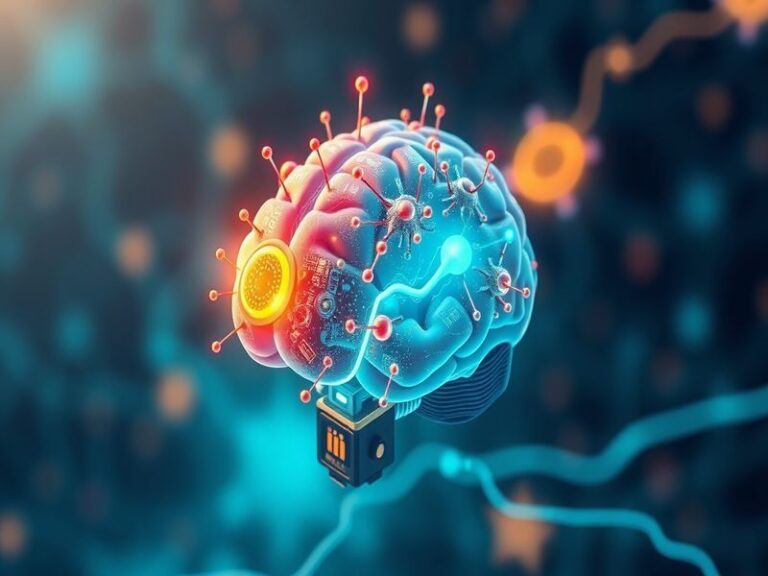
The idea of integrating biological components into AI systems is not entirely new but has gained traction in recent years due to advancements in neuroscience and synthetic biology. At the core of this research is the realization that biological neurons can perform complex computations in ways that artificial neural networks (ANNs) often struggle with. By utilizing actual neurons from primates, scientists aim to create a hybrid system that combines the adaptability of biological systems with the speed and scalability of traditional computing.
Some key points regarding this innovative approach include:
- Biological Efficiency: Biological neurons are capable of processing information with a level of efficiency that current silicon-based systems cannot replicate.
- Adaptability: Living neurons can adapt and reorganize themselves based on experience, potentially leading to more robust AI systems.
- Energy Consumption: Biological systems typically consume far less energy compared to their electronic counterparts, which could lead to greener AI solutions.
Practical Insights into Building the AI Brain
The construction of a pocket-sized AI brain using monkey neurons involves several crucial steps:
- Neural Harvesting: Neurons are harvested from monkeys in a controlled laboratory environment, ensuring ethical standards are met.
- Neural Culturing: The harvested neurons are cultured in vitro to create a living network that can be integrated into an AI framework.
- Integration with AI Systems: These biological neurons are then interfaced with electronic systems, allowing for hybrid processing capabilities.
- Testing and Optimization: The AI brain undergoes rigorous testing to optimize its performance and efficiency compared to traditional AI systems.
Industry Implications and Challenges
The implications of building AI systems from biological neurons are profound. Industries such as healthcare, robotics, and automation stand to benefit immensely. For instance:
- Healthcare: AI systems that mimic human brain processes could lead to breakthroughs in diagnosing and treating neurological disorders.
- Robotics: Robots with biological brains might demonstrate improved adaptability and learning capabilities in dynamic environments.
- Energy Efficiency: As the world moves toward more sustainable technologies, AI systems that consume less power could become a critical area of focus.
However, several challenges must be addressed before this technology can be widely adopted:
- Ethical Concerns: The use of biological materials raises significant ethical questions regarding consent, animal welfare, and the implications of creating hybrid life forms.
- Technical Complexity: Integrating biological neurons with electronic systems presents significant technical hurdles, including maintaining neuron viability and ensuring reliable communication between the biological and digital components.
- Regulatory Hurdles: As this technology is still in its infancy, navigating the regulatory landscape will be essential for researchers and developers.
Future Possibilities
Looking ahead, the potential for pocket-sized AI brains made from biological neurons is vast. Some future possibilities include:
- Improved Cognitive Functions: Enhanced learning algorithms that mimic biological processes could lead to AI that can reason, learn, and adapt more effectively than ever before.
- Personalized AI Assistants: AI systems that can learn from human interaction in a way that feels more natural, leading to better user experiences.
- Neuroscience Research: Insights gained from integrating biological neurons into AI could also advance our understanding of the human brain, paving the way for new treatments in neuroscience.
In conclusion, the exploration of using biological neurons from monkeys to build a compact AI brain opens up exciting avenues for the future of artificial intelligence. While there are significant challenges to overcome, the potential benefits in terms of efficiency, adaptability, and sustainability are too substantial to ignore. As technology continues to evolve, this innovative approach may soon become a cornerstone of AI development.