Building a Spy Satellite Simulator in Your Browser: A Technological Marvel
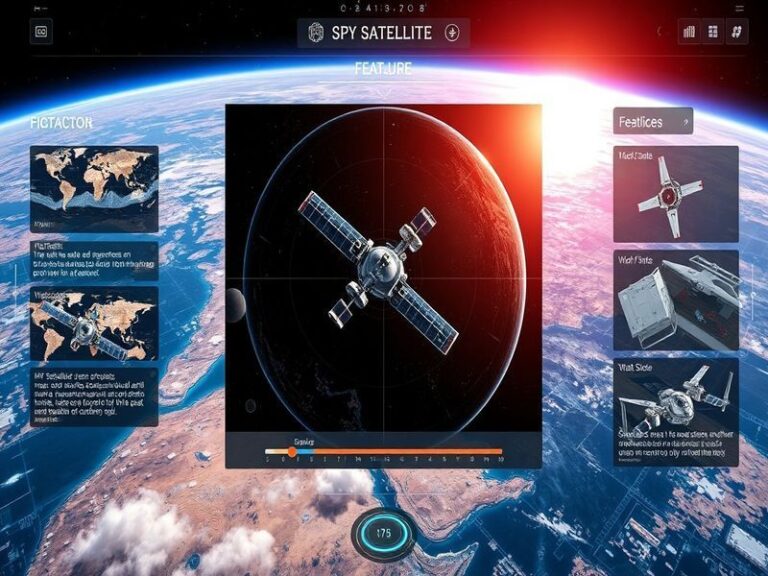
In an era where technology and artificial intelligence (AI) are rapidly advancing, innovation knows no bounds. A remarkable example of this is the creation of a sophisticated spy satellite simulator by a former Google Maps product manager, who leveraged AI coding agents to bring this vision to life. This article explores the intricacies of building a satellite simulation tool in your browser, the implications for the industry, and the future possibilities that arise from such innovative developments.
The Genesis of the Satellite Simulator
After years of experience at Google Maps, where geo-spatial data and mapping technologies were paramount, this product manager identified a gap in the simulation tools available for educational and professional use. The goal was to create a tool that could provide realistic satellite imagery and operational scenarios to enhance learning and decision-making processes.
Utilizing AI coding agents, the simulator harnesses powerful algorithms to replicate satellite behaviors and simulate various environmental conditions. This approach not only makes it more accessible but also fosters a deeper understanding of satellite technology and its applications.
Key Features of the Simulator
The spy satellite simulator is equipped with several innovative features that set it apart from traditional simulation tools:
- Real-Time Data Processing: The simulator uses AI to process data in real-time, providing users with up-to-date satellite imagery and analytics.
- User-Friendly Interface: Built with a focus on accessibility, the simulator allows even non-experts to navigate and utilize its features effectively.
- Customizable Parameters: Users can adjust variables such as orbit altitude, imaging frequency, and weather conditions to see how these factors impact satellite operations.
- Interactive Learning Modules: The simulator incorporates educational modules that guide users through complex concepts related to satellite technology.
Practical Insights for Users
For tech enthusiasts and professionals looking to utilize the satellite simulator, several practical insights can enhance the user experience:
- Explore Different Scenarios: Experiment with various settings to understand how satellites react under different circumstances, including natural disasters or urban monitoring.
- Leverage Data Analytics: Use the simulator’s analytics capabilities to derive insights from simulated data, which can be beneficial for research or strategic planning.
- Collaboration Opportunities: Engage with peers in the technology and aerospace fields to share findings and best practices, fostering a collaborative learning environment.
- Stay Updated: As the simulator evolves, keep an eye out for new features and updates that can enhance its functionality and user experience.
Industry Implications
The development of such a simulator has far-reaching implications for various industries:
- Aerospace and Defense: Enhanced simulation tools can aid in training personnel, developing new satellite technologies, and improving mission planning.
- Education: The simulator can serve as a valuable educational resource, enabling students to grasp complex aerospace concepts through interactive learning.
- Environmental Monitoring: Organizations involved in environmental science can leverage the tool to monitor changes in ecosystems and urban development, leading to informed decision-making.
Future Possibilities
As technology continues to evolve, the future of satellite simulation tools looks promising. Here are some potential advancements:
- Enhanced AI Capabilities: Future iterations may integrate more advanced AI algorithms, improving accuracy in simulations and predictive analytics.
- Augmented Reality (AR) Integration: By incorporating AR, users could experience simulations in a more immersive environment, aiding in training and education.
- Global Collaboration Platforms: A network of users could collaborate in real-time, sharing data and insights to tackle global challenges such as climate change or disaster response.
Conclusion
The creation of a spy satellite simulator in the browser exemplifies the intersection of AI, technology, and innovation. It opens up new avenues for education, research, and industry applications, offering a glimpse into the future of satellite technology. As we continue to explore these advancements, the potential to reshape our understanding and capabilities in space and data analysis is immense.