AI’s Impact on Employment: No Jobs Lost Yet
The rapid advancement of artificial intelligence (AI) has sparked concerns about its potential impact on employment. Many fear that machines and algorithms will replace human workers, leading to widespread unemployment. However, recent studies suggest a different narrative: AI hasn’t led to a significant rise in unemployment for affected workers. Instead, it is reshaping the workforce and creating new opportunities.
Understanding the Current Landscape
As AI technologies continue to evolve, industries are adopting these innovations at an unprecedented rate. This has prompted extensive research into the effects of AI on job markets. The consensus from recent studies indicates that while AI is transforming job roles, it has not yet resulted in net job losses.
Key Findings from Recent Studies
Several studies have examined the relationship between AI implementation and unemployment rates. Here are some notable insights:
- Job Transformation Over Job Elimination: A report from McKinsey found that 60% of occupations could see at least 30% of their activities automated, but this does not necessarily mean job losses. Instead, jobs are evolving, with many tasks being augmented by AI rather than replaced.
- Creation of New Jobs: According to a study by the World Economic Forum, the rise of AI will create 97 million new roles by 2025. These jobs will largely focus on human-centric skills that AI cannot replicate, such as emotional intelligence, creativity, and critical thinking.
- Short-Term Disruption, Long-Term Gains: While some sectors may experience temporary job displacement, the long-term outlook shows that the overall job market remains robust. The Oxford Review of Economic Policy emphasized that historical technological advancements often lead to more jobs being created than lost.
Industry Implications
The implications of AI on various industries are profound. Here are some key areas where AI is making an impact:
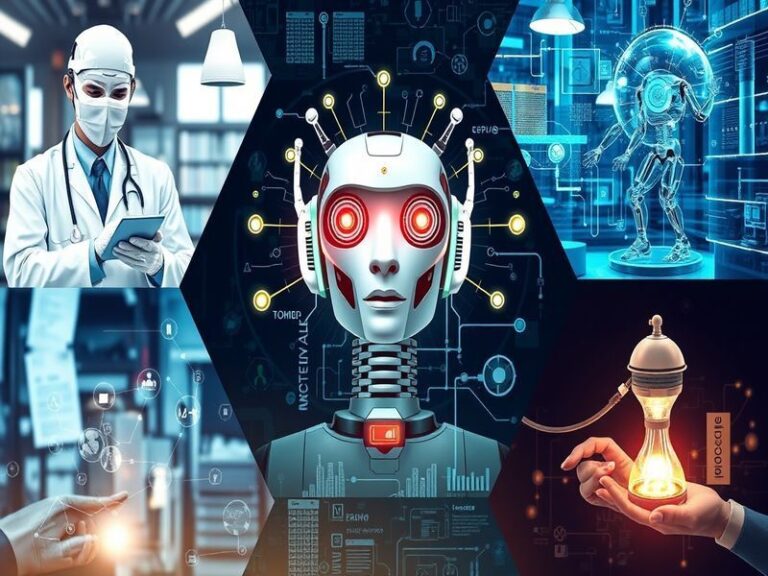
- Healthcare: AI is being used to assist healthcare professionals in diagnostics and patient care. This technology allows workers to focus on complex cases, ultimately leading to better patient outcomes.
- Manufacturing: Automation in manufacturing has led to more efficient production lines. Workers are now taking on more skilled roles, overseeing AI systems rather than performing repetitive tasks.
- Finance: AI-driven algorithms are enhancing decision-making in finance. Professionals in this sector are now required to interpret data insights generated by AI, creating a demand for new skill sets.
Practical Insights for Professionals
As AI continues to reshape the employment landscape, professionals must adapt and acquire new skills. Here are a few practical insights for navigating this transformation:
- Embrace Lifelong Learning: Continuous education is vital. Consider enrolling in courses that focus on AI, data analysis, and other tech-related skills to stay relevant.
- Develop Soft Skills: Skills such as communication, empathy, and teamwork are becoming increasingly valuable in roles enhanced by AI.
- Stay Informed: Keep abreast of technological advancements in your industry. Understanding how AI affects your field will help you anticipate changes and prepare accordingly.
- Network with Innovators: Connect with professionals in the AI and tech sectors to gain insights and advice on how to leverage AI in your career.
Future Possibilities
The future of work in an AI-driven world is filled with possibilities. Here are some potential developments:
- Hybrid Roles: The integration of AI may lead to hybrid jobs that combine human skills with AI capabilities, fostering a new workforce dynamic.
- Global Workforce: Remote work facilitated by AI tools may allow companies to tap into a global talent pool, creating opportunities for workers from diverse backgrounds.
- Ethical Considerations: As AI continues to evolve, ethical considerations regarding job displacement and the equitable distribution of opportunities will become increasingly important. Policymakers and industry leaders must collaborate to ensure a balanced approach.
Conclusion
While the conversation around AI and unemployment often leans towards the negative, current research indicates that AI has not yet led to significant job losses. Instead, it is transforming roles across industries, creating new opportunities, and necessitating a shift in the skills required for future employment. By embracing change and fostering a culture of lifelong learning, professionals can thrive in an AI-enhanced workforce.