Google’s Deep Research Upgrade: What You Need to Know
Google has once again stepped into the spotlight with its latest upgrade to the Deep Research platform, a tool designed to empower users with advanced artificial intelligence capabilities. This upgrade introduces a range of new features, including inline chart generation and enhanced data connectivity. In this article, we’ll explore these new capabilities, their implications for various industries, and what the future might hold for AI-driven research and analytics.
What’s New in Google’s Deep Research?
The new features in Google’s Deep Research platform serve to enhance the user experience, streamline workflows, and maximize the efficiency of data analysis. Key upgrades include:
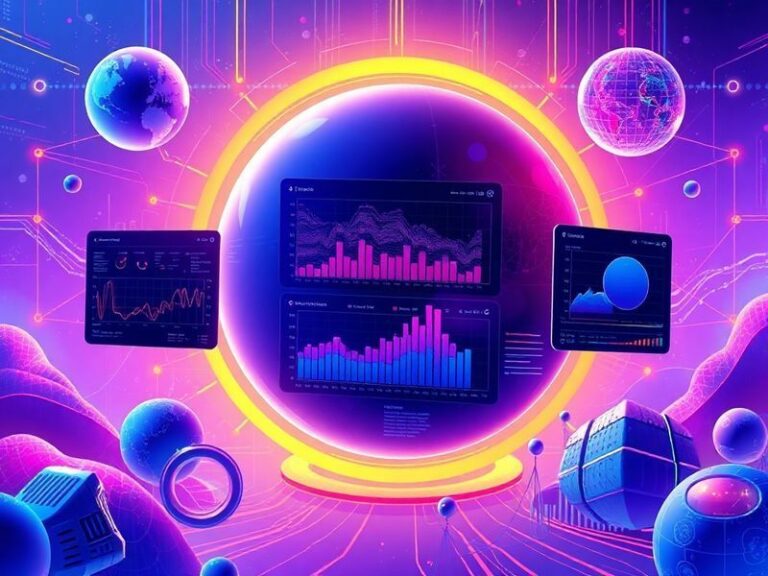
- Inline Chart Generation: Users can now create dynamic charts directly within their research documents. This feature allows for immediate visualization of data, facilitating better insights and quicker decision-making.
- Data Connectivity: The platform offers enhanced integration with various data sources, enabling users to pull in real-time data from multiple databases and APIs. This capability ensures that researchers always work with the most current information.
- Natural Language Processing Enhancements: Improved NLP features allow users to query data in plain language, making the platform more accessible to non-technical users.
- Collaboration Tools: Enhanced collaboration features facilitate teamwork, allowing multiple users to work on documents and visualizations simultaneously.
Practical Insights
The upgrade to Google’s Deep Research platform is not just about adding shiny new tools; it’s about fundamentally changing how researchers and analysts interact with data. Here are some practical insights into how these features can be leveraged:
- Accelerated Decision-Making: With inline chart generation, users can visualize data trends instantly, reducing the lag time between data analysis and decision-making.
- Improved Data Accuracy: Real-time data connectivity helps reduce errors associated with outdated information, ensuring that decisions are based on the latest available data.
- Enhanced Accessibility: The use of natural language processing allows users from various backgrounds to engage with complex data without needing extensive technical skills.
- Streamlined Collaboration: The collaborative tools foster a team-oriented atmosphere, making it easier for groups to share insights and iterate on projects swiftly.
Industry Implications
As Google continues to enhance its AI capabilities, the implications for various industries are profound:
- Healthcare: Real-time data connectivity can transform patient care by providing healthcare professionals with immediate access to the latest research and patient data, ultimately improving outcomes.
- Finance: Financial analysts can utilize the platform to generate instant visualizations of market trends, aiding in quicker investment decisions.
- Education: Educators and researchers can leverage these tools for data-driven insights into student performance, curriculum effectiveness, and resource allocation.
- Marketing: Marketers can use the tool to analyze consumer behavior more effectively, creating targeted campaigns based on real-time data analytics.
Future Possibilities
Looking ahead, the capabilities of Google’s Deep Research platform could pave the way for a variety of future developments in AI and data analytics:
- AI-Driven Insights: As machine learning algorithms become more sophisticated, we can expect the platform to offer predictive analytics, allowing users to forecast trends based on historical data.
- Cross-Industry Applications: The ability to connect and visualize data across different sectors could lead to innovative solutions to complex global challenges like climate change and public health crises.
- Customizable AI Tools: Future upgrades might include customizable AI tools that allow users to tailor the platform to their specific needs, enhancing usability and efficiency.
- Integration with Emerging Technologies: There’s potential for the platform to integrate with other emerging technologies, such as augmented reality (AR) and the Internet of Things (IoT), further enriching the data analysis experience.
Conclusion
Google’s recent upgrade to the Deep Research platform represents a significant leap forward in the capabilities of AI-driven research tools. With features like inline chart generation and enhanced data connectivity, users can expect a more streamlined, efficient, and collaborative research process. As these tools continue to evolve, their impact on various industries could be transformative, paving the way for a future where data-driven decision-making is not only more accessible but also more powerful than ever.