North Korea’s Unconventional Recruitment: AI in Job Applications
The landscape of employment is rapidly changing, especially in tech sectors, where artificial intelligence (AI) tools are becoming pivotal in recruitment processes. However, an intriguing twist emerges when we observe how unconventional entities like North Korea are leveraging these technologies. This article delves into how North Korean operatives are utilizing AI tools to secure employment in the tech sector, highlighting the implications for the industry and future possibilities.
The Role of AI in Job Applications
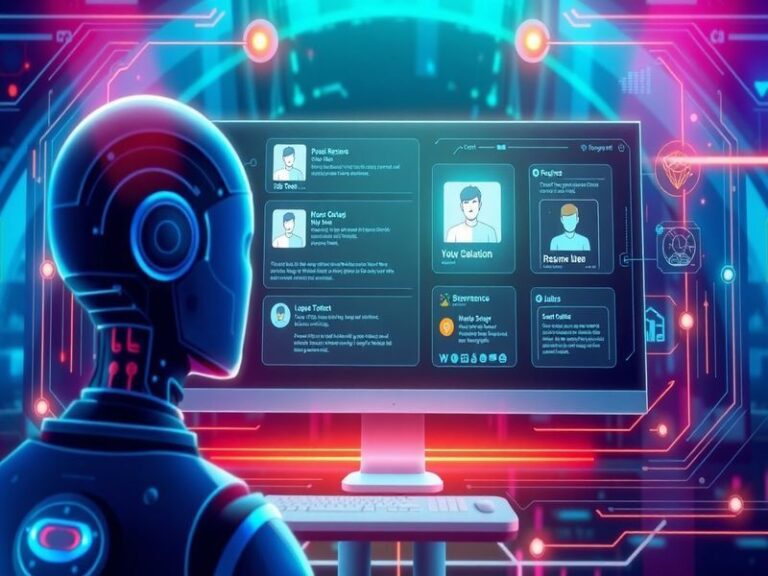
Artificial intelligence has transformed traditional recruitment methodologies. By streamlining processes, enhancing candidate assessment, and improving decision-making, AI tools have become invaluable. Key applications include:
- Resume Screening: AI algorithms can quickly analyze resumes, identifying keywords and relevant experiences that align with job descriptions.
- Candidate Matching: Machine learning models can predict candidate success by comparing their profiles with existing successful employees.
- Interview Automation: AI-driven chatbots conduct preliminary interviews, gathering essential information before human involvement.
North Korea’s Strategy
In a unique context, North Korea has been known to adopt unconventional strategies to integrate into the global tech workforce. Despite the country’s isolation, reports suggest that operatives are utilizing AI in their job applications to circumvent traditional barriers. Here are some notable strategies:
- AI-Enhanced Resumes: North Korean applicants may employ AI tools to craft polished, competitive resumes that meet international standards.
- Automated Applications: By using automated systems, they can submit multiple applications across various platforms, increasing their chances of landing interviews.
- Data Manipulation: AI can assist in creating fictitious achievements or experiences, enhancing the credibility of their applications.
Such tactics reflect a calculated approach to employment, where North Korean operatives aim to infiltrate the tech sector, potentially to gather intelligence or enhance their own technological capabilities.
Industry Implications
The use of AI tools by North Korean operatives in job applications raises significant concerns for the tech industry:
- Security Risks: As these operatives infiltrate tech companies, they could pose cybersecurity threats, leading to potential data breaches and intellectual property theft.
- Ethical Dilemmas: The employment of AI for deceptive practices in recruitment challenges the ethical standards within the industry. Companies may need to reassess their hiring protocols.
- Global Collaboration Concerns: The international tech community may face increased scrutiny regarding collaboration with firms that have ties to North Korea, potentially leading to sanctions and reduced cooperation.
Future Possibilities
The intersection of AI and recruitment, particularly in the context of North Korean operatives, opens several pathways for the future:
- Enhanced Detection Tools: As AI tools are utilized for deceptive practices, companies may invest in developing advanced detection algorithms to identify fraudulent applications.
- Policy Revisions: Governments and tech organizations may implement stricter policies regarding hiring practices, focusing on transparency and verification of candidate credentials.
- AI in Counter-Intelligence: AI technologies could also play a role in counter-intelligence efforts, helping organizations recognize and mitigate threats posed by malicious actors in the recruitment process.
Ultimately, the rise of AI tools in recruitment, juxtaposed with the unconventional methods employed by North Korean operatives, highlights a complex interplay of innovation and security challenges. As technology continues to evolve, so too must our understanding and responses to these emerging threats.
Conclusion
As the tech industry navigates the implications of AI in recruitment, the case of North Korea serves as a cautionary tale. The potential for misuse of these technologies necessitates vigilance and adaptation within the industry. By understanding the strategies employed by unconventional actors, organizations can better prepare themselves to safeguard against future threats while fostering a fair and ethical recruitment process.